Getting a weak arc when stick welding can be frustrating, especially when you’re just starting out. It feels like your welder just isn’t giving you the power you need to make a good weld. But don’t worry, this common issue is usually pretty easy to fix.
We’ll walk through the simple steps to help you figure out the Stick Welder Weak Arc Problem? Troubleshoot and get you welding strong again. Let’s find out what’s causing the trouble.
Key Takeaways
- You will learn the common reasons for a weak stick welding arc.
- We will show you how to check your welder settings for the correct amperage.
- You will understand how electrode type and condition affect arc strength.
- We will cover how to check and improve your electrical connections.
- You will discover why base metal condition matters for a strong arc.
- We will explain how to troubleshoot issues with your welding cables.
Why Your Stick Welder Might Have a Weak Arc
A weak arc from your stick welder is one of the most common headaches for new welders. It makes it hard to get started, keep a steady weld, and get a good-looking bead. Imagine trying to paint with a brush that has very few bristles – it’s just not going to work right.
The same idea applies to welding. The arc is the heart of your weld; it’s what melts the metal. If that arc is weak, it’s like trying to cut something with a dull knife.
This guide will help you pinpoint the problem and fix it.
Understanding the Stick Welding Arc
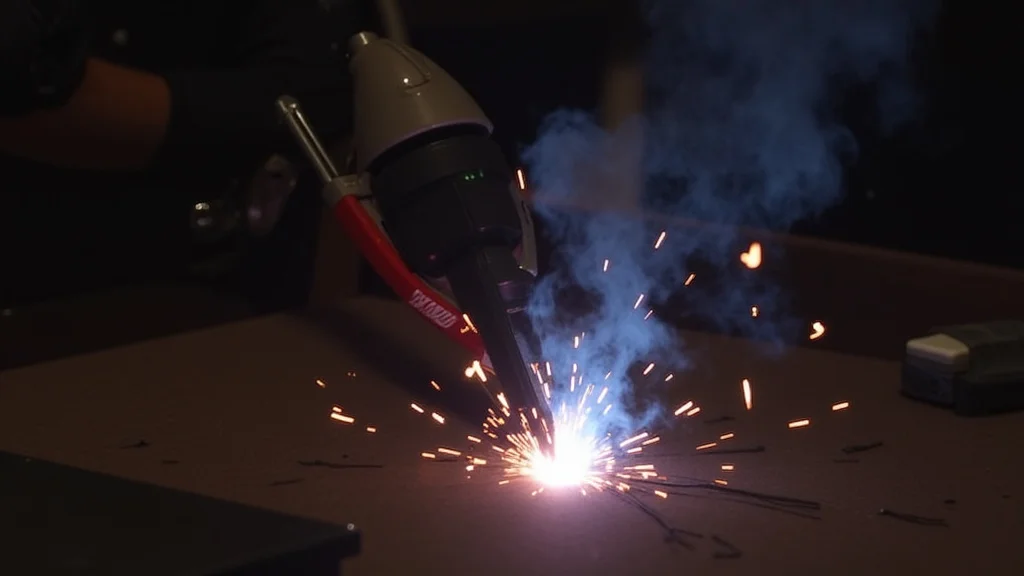
Before we fix the problem, it’s good to know what the arc is. When you strike an electrode against your metal, you create a circuit. The electricity jumps across the small gap between the electrode and the metal.
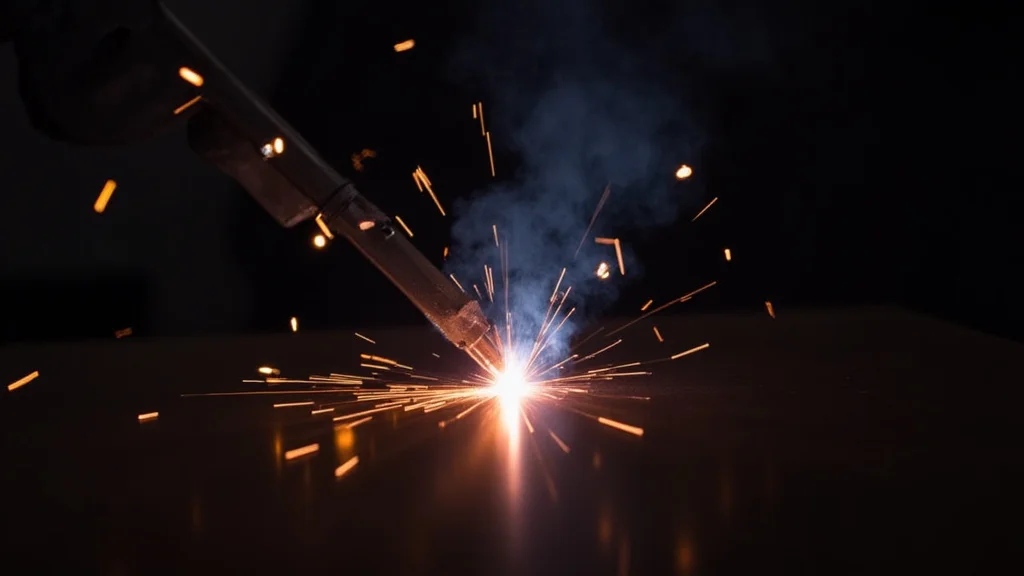
This jump is the arc. It’s super hot and melts both the electrode and a bit of the metal you’re welding. A strong arc means a steady flow of electricity that keeps melting things smoothly.
A weak arc means the electricity isn’t flowing well, making the arc sputter or die out.
Common Causes for a Weak Arc
Several things can cause your stick welder to give you a weak arc. It’s not usually just one big thing, but often a few smaller things adding up. We’ll go through the most likely culprits, one by one, so you can check them easily.
Incorrect Amperage Settings
This is often the first thing to check. Every welding electrode needs a certain amount of amperage (electrical current) to work correctly. If your welder is set too low, the arc won’t be hot enough to melt well.
It will be weak and spattery.
The packaging for your welding electrodes will tell you the recommended amperage range. Always look at this. For example, a 1/8 inch 6013 electrode might run well between 50 and 80 amps.
If you’re trying to run it at 30 amps, you’ll definitely have a weak arc.
Wrong Polarity Setting
Stick welders can usually run on different polarities: DC electrode positive (DCEP), DC electrode negative (DCEN), or AC. The type of electrode you use will tell you which polarity to use. Using the wrong one can make your arc weak.
Most common stick electrodes, like 6010 and 6011, run best on DCEN. Electrodes like 7018 often run best on DCEP. If you’re unsure, check the electrode packaging or a welding chart.
Running a DC electrode on AC, or vice versa, can also cause problems.
Electrode Issues
The electrodes themselves can be the source of your weak arc. This can happen in a few ways:
- Old or Damp Electrodes: Welding electrodes are sensitive to moisture. If they get wet, the coating on them can break down. This makes the arc unstable and weak. Always store your electrodes in a dry place, preferably in a sealed container or a rod oven.
- Wrong Electrode Size: Using an electrode that’s too small for the job or the amperage you’re trying to achieve can also lead to a weak arc. Conversely, using a rod too large for your machine’s capacity will also cause issues.
- Incorrect Electrode Type: As mentioned with polarity, each electrode type is designed for specific jobs and settings. Using a mild steel electrode for a high-alloy steel job, for example, might not perform as expected and could lead to arc instability.
Poor Electrical Connections
Welding requires a good, solid electrical circuit. Any weak links in that chain can weaken the arc. This includes connections on your welding machine, the electrode holder, and the ground clamp.
Check these connection points:
- Machine Terminals: Make sure the cables are securely tightened where they connect to the welder.
- Electrode Holder: The electrode should be clamped firmly in the holder. Any loose metal-to-metal contact here wastes power.
- Ground Clamp: This is super important. The ground clamp needs to make a clean, solid connection to the metal you are welding. Rust, paint, or a loose clamp prevent good electrical flow.
Faulty Welding Cables
Your welding cables are the highway for electricity. If the highway has potholes or is too narrow, the flow slows down. Damaged cables can cause a weak arc.
- Cable Damage: Look for cuts, nicks, or frayed sections in your welding cables. Exposed wires can cause power loss or even be a safety hazard.
- Cable Length: While not as common a cause for a weak arc, extremely long cables can introduce some resistance. If you’re using very long cables, ensure they are of adequate gauge for the amperage you’re running.
- Connection to Cable: Where the cable connects to the plug (for some machines) or directly to the welder, ensure this connection is tight and free from corrosion.
Dirty or Improperly Prepared Base Metal
The metal you are welding on plays a role too. If the surface is covered in rust, dirt, paint, or oil, it can interfere with the arc and make it weak or erratic.
You need to clean the metal where you plan to weld. A wire brush is good for removing loose dirt and rust. For a really solid connection, especially with the ground clamp, try to get to shiny metal.
This gives the electricity a clear path.
Issues with the Welding Machine Itself
Sometimes, the problem might be with the welder. While less common for beginners to diagnose, internal issues can happen.
- Internal Connections: Wires inside the welder can come loose over time.
- Duty Cycle: If you’re running the machine continuously for too long, it can overheat and temporarily reduce output, leading to a weaker arc. Let it cool down.
- Component Failure: In rare cases, a component inside the welder might be failing. If you’ve checked everything else and the problem persists, this might be the cause.
Troubleshooting Steps: A Simple Guide
Let’s put it all together into simple steps to fix your weak arc.
- Check Your Electrode:
- Is it the right type for your job?
- Is it dry and in good condition? If in doubt, try a fresh pack.
- Is it the correct size for your machine’s capacity and desired weld?
- Verify Welder Settings:
- Look up the recommended amperage range for your specific electrode.
- Set your welder’s amperage control within that range. Start in the lower half of the range and increase if needed.
- Confirm you have the correct polarity set for your electrode (DCEN, DCEP, or AC).
- Inspect Electrical Connections:
- Ensure the electrode holder is gripping the electrode tightly.
- Make sure the ground clamp is making a clean, solid connection to the metal you are welding. Remove any paint, rust, or dirt from the contact area.
- Check that both the electrode cable and ground cable are securely fastened to the welding machine.
- Examine Welding Cables:
- Look for any visible damage like cuts or exposed wires. If damaged, replace them.
- Ensure cable connectors to the machine are clean and tight.
- Prepare Your Base Metal:
- Use a wire brush to clean the area where you will weld and where you will place the ground clamp.
- Ensure the metal is free of excessive rust, paint, or grease.
- Test Again:
- Try striking an arc. If it’s better, you’ve found the problem!
- If the arc is still weak, go back and re-check each step. Sometimes a combination of issues needs to be addressed.
When to Seek More Help
If you’ve gone through all these steps and your arc is still weak, it might be time to consult your welding machine’s manual or contact the manufacturer. It’s possible there’s an internal issue with the machine that requires professional attention. However, for most beginner issues with a weak arc, one of these simple checks will solve the problem.
Frequently Asked Questions
Question: What amperage should I use for stick welding?
Answer: The correct amperage depends on the type and diameter of the welding electrode you are using. Always check the electrode’s packaging for the recommended amperage range. For example, a 1/8 inch 6013 electrode might run at 50-80 amps, while a 3/16 inch 7018 might need 100-150 amps.
Start in the lower end of the range and adjust.
Question: Can old welding rods cause a weak arc?
Answer: Yes, absolutely. Old welding rods can absorb moisture from the air, which degrades their coating. This moisture causes the arc to be unstable, spattery, and weak.
Always store rods in a dry place and use fresh rods if you suspect they are old or have been exposed to moisture.
Question: What is the difference between DCEN and DCEP?
Answer: DCEN (Direct Current Electrode Negative) means the electrode is negative and the workpiece is positive. DCEP (Direct Current Electrode Positive) means the electrode is positive and the workpiece is negative. Different electrodes work best on different polarities, affecting arc stability and penetration.
For instance, 6010 and 6011 rods often run on DCEN, while 7018 rods typically run on DCEP.
Question: How do I ensure my ground clamp is making a good connection?
Answer: A good ground connection is vital. Clean the metal surface where you’ll attach the clamp by removing paint, rust, or dirt down to shiny metal. Ensure the clamp itself is gripping the metal tightly.
A loose or dirty ground clamp will restrict the flow of electricity, leading to a weak arc.
Question: My stick welder arc is weak, but my cables look fine. What else could it be?
Answer: If your cables look good, re-check your amperage settings and the electrode type. Ensure you have the correct polarity selected for the rod you’re using. Also, prepare the base metal thoroughly and clean the connection points at both the electrode holder and the welder itself.
Sometimes, it’s a combination of small issues.
Final Thoughts
Fixing a weak stick welding arc is usually straightforward. Start by checking your electrode type and condition. Then, make sure your amperage and polarity settings are correct for that electrode.
Don’t forget to inspect all your electrical connections, especially the ground clamp, and clean your base metal. These simple steps often solve the problem, allowing you to get a strong, stable arc and make better welds. Keep practicing, and you’ll master it.