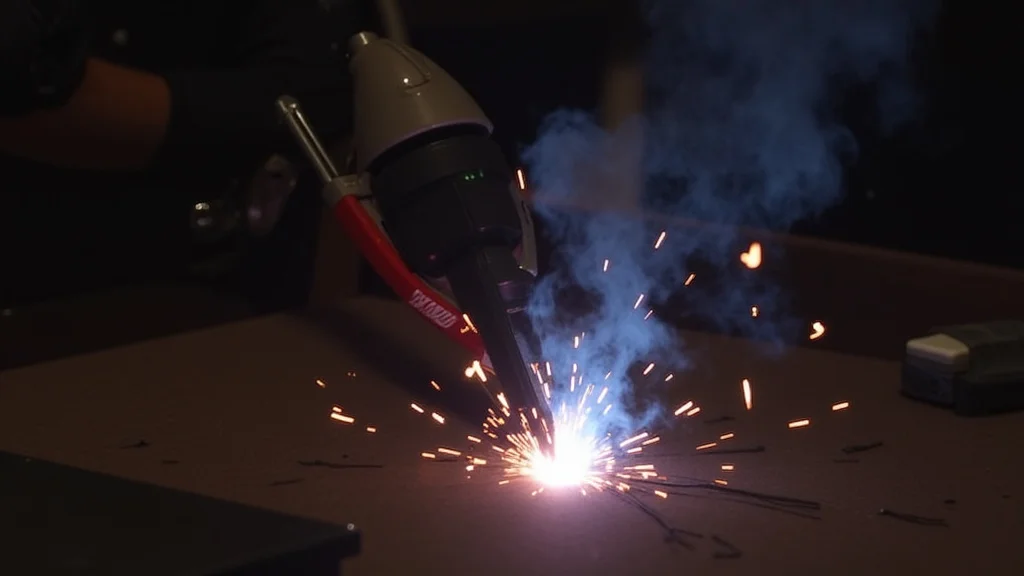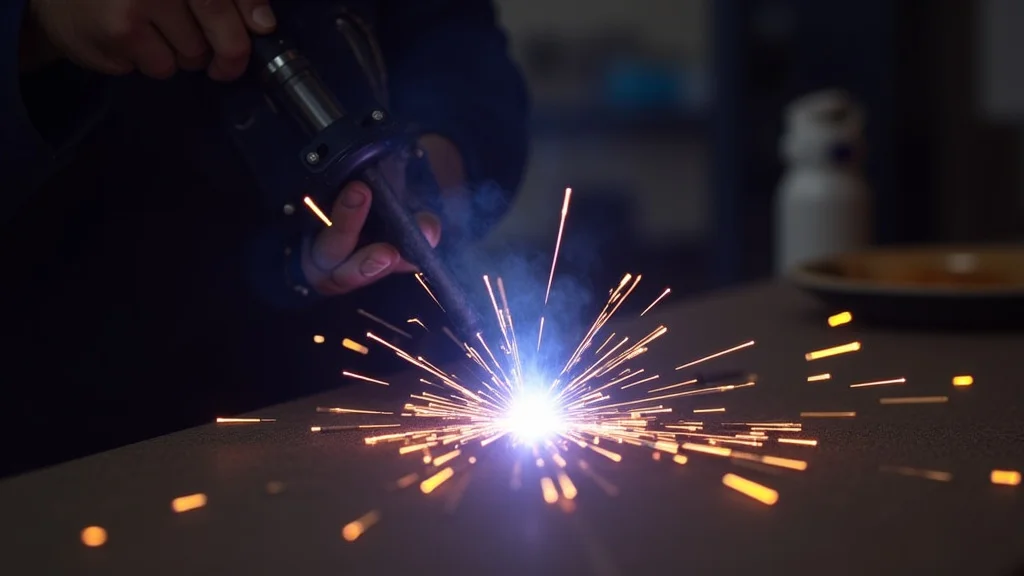
It’s frustrating when your stick welder quits working right in the middle of a job. This Stick Welder Stopping Randomly Issue? Fix is a common headache for anyone starting out with stick welding.
You might think it’s a big problem, but often it’s just a few simple things to check. We’re going to walk through it step-by-step. Get ready to learn the easy ways to get your welder back to work.
Key Takeaways
- You will learn the most common reasons a stick welder stops working.
- We will show you how to check your welder’s power source and connections.
- Discover how to identify and fix issues with your welding cables.
- Learn about electrode problems that can cause your welder to stop.
- Find out how to troubleshoot your welder’s internal components.
- Understand basic maintenance to prevent future problems.
Why Does My Stick Welder Keep Stopping?
When your stick welder stops without warning, it can really throw a wrench in your project. This happens more often than you might think, especially for beginners who are still getting the hang of how everything works. It’s not always a sign of a broken machine; usually, it’s something simple.
Let’s look at why this Stick Welder Stopping Randomly Issue? Fix comes up so often.
Power Supply Problems
The most frequent culprit is the power supply. Your welder needs a steady flow of electricity to keep going. If that flow gets interrupted, so does your welding.
Checking the Wall Outlet and Plug
Start with the basics. Is your welder plugged into a proper outlet? Stick welders can draw a lot of power.
A standard household outlet might not be enough, especially if it’s on the same circuit as other appliances. Make sure the plug itself is seated firmly and that there are no visible signs of damage, like melted plastic or bent pins.
Extension Cords
If you’re using an extension cord, this is a big one. Many extension cords aren’t built to handle the amperage a stick welder needs. A cord that’s too thin, too long, or damaged can create a bottleneck for power.
This causes voltage to drop, and your welder might stop. Always use a heavy-duty, short extension cord rated for the welder’s amperage if you need one.
Circuit Breakers and Fuses
Your welder likely has its own circuit breaker or fuse. Check to see if it has tripped or blown. If it trips immediately after you reset it, you might have a short circuit somewhere in the welder or its power cord.
If it blew a fuse, you’ll need to
Welding Cables: The Unsung Heroes (and Villains)
Your welding cables are like the arteries of your welding setup. If they have problems, your welder won’t run well, or it might stop altogether.
Loose Connections
This is huge. Where do your cables connect? You have the ground clamp connection and the electrode holder connection.
If either of these is loose, you lose a good electrical path. A loose ground clamp means electricity can’t return to the welder, and your arc will sputter and die. A loose connection at the electrode holder means power isn’t getting to the rod properly.
Take a moment to check:
- The connection of the ground clamp to your workpiece or welding table.
- The connection of the ground cable to the welder’s terminal.
- The connection of the electrode holder cable to the welder’s terminal.
Tighten everything securely. Sometimes, corrosion can build up on these connection points, causing poor conductivity. Clean them with a wire brush if you see any rust or grime.
Damaged Cables
Welding cables can get banged up. Look for any cuts, nicks, or exposed wires. If you see any damage, especially on the insulation, the cable could be a safety hazard and might be causing your welder to stop.
Damaged cables can short out. If a cable looks bad, it’s best to replace it.
Cable Length and Size
Similar to extension cords, the length and size (gauge) of your welding cables matter. Long, thin cables can increase electrical resistance. This means less power gets to your arc, leading to weak welds or the welder shutting off.
Stick to the manufacturer’s recommended cable lengths and sizes.
Electrode Issues
The welding rod (electrode) itself can also be the reason your welder stops.
Wrong Electrode Type
Different stick welders and welding situations call for different types of electrodes. Using the wrong one can cause arc instability. Some electrodes are very sensitive to moisture or require specific welder settings.
If you’re using a rod that’s not suited for your machine or the material you’re welding, it might make the arc hard to maintain, leading to the welder cutting out.
Moisture in Electrodes
This is a classic problem with stick welding. Electrodes are often coated with flux. If this flux absorbs moisture from the air, it can cause a whole host of problems.
You’ll get sputtering, porosity in your weld, and the arc might become very erratic, causing the welder to stop. Always store your electrodes in a dry place, and if you suspect they’ve absorbed moisture, use a rod oven to dry them out.
Electrode Stuck to Workpiece
Sometimes, the electrode sticks to the workpiece. If you don’t break it free quickly, the welder might think there’s a short circuit and shut off to protect itself. This is more common when you’re just starting the arc or if your voltage is too low for the electrode you’re using.
Welder Settings and Overheating
Your welder has settings, and if they’re not right, or if the machine gets too hot, it will stop.
Incorrect Amperage Settings
Every electrode has a recommended amperage range. If you set your welder too high, you can burn through the electrode too fast and cause arc instability. If you set it too low, you might not be able to get a good arc started, or it might be weak and sputter out.
Consult the electrode packaging for the correct settings.
Overheating
Stick welders can overheat, especially during long welding sessions or in hot environments. Most modern welders have thermal overload protection. This feature will shut down the machine if it gets too hot to prevent damage.
If your welder stops and a light comes on indicating overload, you need to let it cool down. Ensure the welder’s air vents are not blocked and are clean. Dust and debris can clog them, reducing cooling efficiency.
Internal Welder Issues
While less common, sometimes the problem is inside the welder itself. These are trickier and might require professional help.
Faulty Components
Like any electronic device, internal components can fail. This could be a capacitor, a rectifier, or other parts. If you’ve checked all the external factors and the welder still stops randomly, it’s possible there’s an internal fault.
Loose Internal Connections
Vibration or age can cause internal wires or connections within the welder to become loose. This can lead to intermittent power delivery. If you’re comfortable and knowledgeable about working inside electrical equipment, you might inspect for obviously loose wires.
However, this is a more advanced step and carries risks.
Troubleshooting Steps: A Quick Guide
When your welder stops, don’t panic. Follow these steps:
- Check Power: Ensure the welder is plugged in securely. If using an extension cord, make sure it’s heavy-duty and short.
- Reset Breakers: Check your welder’s circuit breaker or fuse and reset/replace as needed.
- Inspect Cables: Look for any damage to your welding cables. Make sure all connections (ground clamp, electrode holder, welder terminals) are tight and clean.
- Verify Settings: Double-check your amperage settings against the electrode manufacturer’s recommendations.
- Listen and Look: Do you hear any unusual noises? Is there an overload light on?
- Let it Cool: If you suspect overheating, turn the welder off and let it cool for at least 15-30 minutes.
- Try a Different Electrode: If possible, try a new, dry electrode of the correct type.
Frequently Asked Questions
Question: How often should I clean my stick welder?
Answer: It’s a good idea to clean the dust and debris from the air vents and around the fan at least a few times a year, or more often if you weld in dusty environments. This helps prevent overheating.
Question: Can a bad ground clamp cause my stick welder to stop working?
Answer: Yes, a bad or loose ground clamp is a very common reason for arc instability and for your welder to stop functioning properly. It prevents a complete electrical circuit.
Question: What is the best way to store stick welding electrodes?
Answer: Store electrodes in a dry, sealed container, preferably a rod-keeper or an airtight plastic box. Avoid storing them in damp garages or sheds. For sensitive electrodes, a rod oven is ideal.
Question: My welder stops after a few minutes of welding. What could it be?
Answer: This strongly suggests overheating. Your welder’s thermal overload protection is likely kicking in. Ensure the vents are clear and allow the machine to cool down fully between welds.
Question: I’m getting a lot of spatter and the arc keeps cutting out. What’s wrong?
Answer: This could be a few things: incorrect amperage setting, moisture in the electrodes, a poor ground connection, or damaged welding cables. Check these one by one.
Final Thoughts
Dealing with a Stick Welder Stopping Randomly Issue? Fix might seem tricky, but it’s usually caused by simple things. Most of the time, it’s related to your power source, loose connections on your cables, or how you’re using your electrodes.
By checking these areas first, you can often get your welder back in action quickly. Remember to keep your equipment clean and your connections tight. Regular checks can save you a lot of frustration and keep your welding projects moving forward smoothly.