If you’re new to welding, you might run into a problem called a stick welder short circuit. It can seem confusing at first, but don’t worry! We’ll make it simple.
This guide will show you exactly what to do, step-by-step, to fix it. We’ll cover the most common reasons this happens so you can get back to making great welds.
Key Takeaways
- You will learn what causes a stick welder short circuit.
- You will find out how to check your electrode and workpiece.
- You will discover how to adjust your welding machine settings.
- You will understand the role of amperage and voltage.
- You will be able to spot problems with your cables and connections.
- You will know how to maintain your equipment to prevent future issues.
Understanding Stick Welder Short Circuits
What is a Short Circuit in Stick Welding?
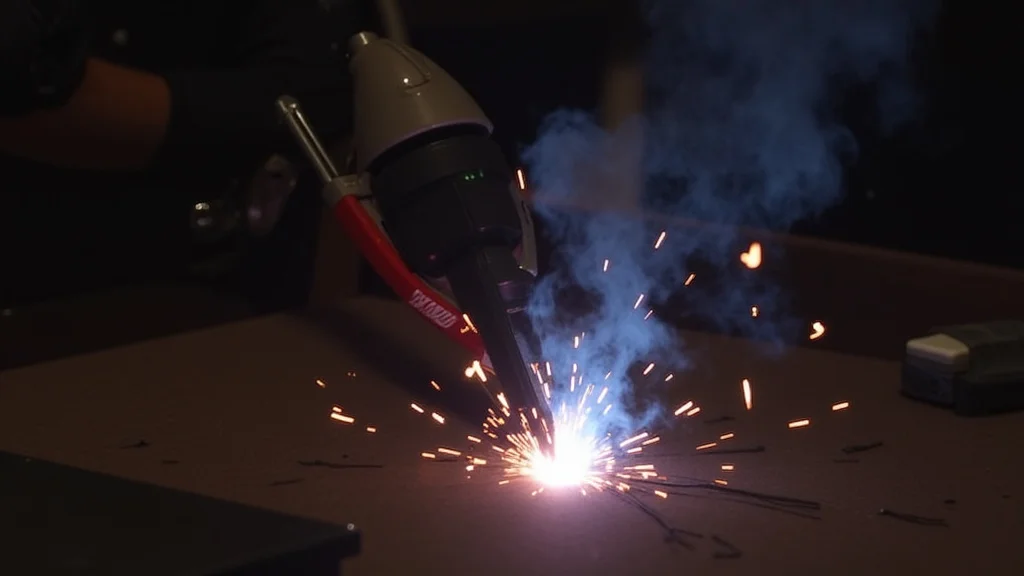
A short circuit in stick welding happens when the electric current finds an unintended path to ground. Instead of flowing through the arc to create a weld, the electricity goes somewhere else it shouldn’t. This can feel like the welding machine is “shorting out.” It often stops the welding arc from forming properly or makes it unstable.
For beginners, this issue can be puzzling because it stops the welding process. You might be doing everything right, but the weld just won’t happen. It’s like a puzzle where a piece is missing, or the pieces don’t fit quite right.
It’s a very common hurdle for anyone just starting out.
Why Do Stick Welders Short Circuit?
Several things can cause a stick welder to short circuit. The most frequent culprits involve the connection between the electrode, the workpiece, and the welding machine itself. Think of it like an electrical circuit: it needs a clear path from the power source, through the electrode, across the arc, into the metal, and back to the machine.
If this path is blocked, or if there’s another easier path, you get a short.
Common causes include the electrode touching the workpiece before you’re ready to weld, loose connections, or dirty metal. Sometimes, the welding machine settings are just not right for the type of electrode you’re using. We’ll look at each of these in detail.
Troubleshooting Common Causes
Electrode Contact Issues
One of the simplest and most common reasons for a short circuit is accidental contact between the electrode and the workpiece. This can happen when you are positioning the electrode for the weld, or if the electrode drops and touches the metal.
Before you strike an arc, make sure your electrode is lifted a safe distance from the metal. When you are finished welding, or if you stop for any reason, pull the electrode away from the workpiece immediately. This prevents the electricity from trying to flow without an arc.
Workpiece and Ground Clamp Problems
The ground clamp is essential for completing the electrical circuit. If it’s not attached properly, or if the connection to the workpiece is poor, you can get a short circuit. The electricity needs a solid path back to the welding machine.
Check that your ground clamp is securely fastened to a clean part of the metal you are welding. Scrape away any paint, rust, or dirt from the metal where the clamp will connect. A loose or dirty ground connection forces the electricity to find alternative, unintended paths, causing problems.
Electrode Stick to Workpiece (Sticking)
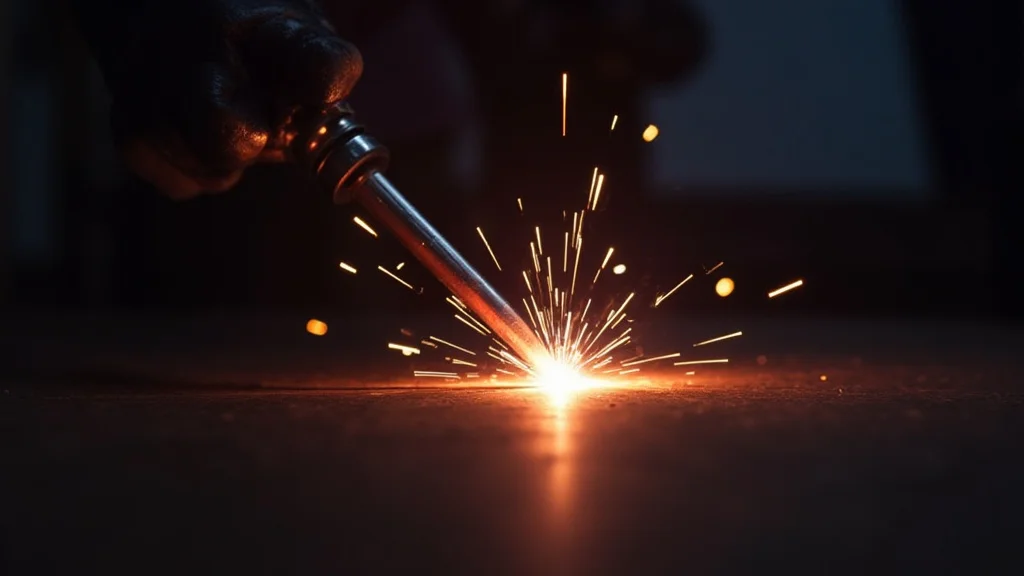
You might have heard the term “electrode sticking.” This is a form of short circuit. It happens when the electrode melts and then directly touches the surface of the workpiece, fusing them together. The arc dies instantly, and the electrode becomes stuck.
This usually occurs if your amperage is too low, or if you hold the electrode too close to the workpiece for too long. When the electrode gets stuck, do not try to pull it away forcefully. This can damage the electrode and even your workpiece.
Instead, try to twist the electrode slightly or flick your wrist to break the connection.
Incorrect Amperage Settings
Amperage is the amount of electrical current flowing through the welding arc. It is a key setting on your stick welder. If the amperage is too low for the electrode you are using, the electrode can melt too slowly and stick to the workpiece, causing a short.
If it’s too high, you can burn through the metal too quickly or create an unstable arc.
Each type and size of welding electrode has a recommended amperage range. This information is usually printed on the electrode packaging or available in welding charts. Always consult these recommendations.
For example, a 1/8-inch 6013 electrode might run well between 60-100 amps, while a larger electrode will need more.
Incorrect Voltage Settings (If Applicable)
Some welding machines allow you to adjust voltage, which is the electrical pressure. While amperage is usually the main factor for stick welding, voltage plays a role in arc length and stability. If the voltage is too low, the arc might be too short and prone to sticking.
Too high voltage can lead to a long, unstable arc and spatter.
Most modern stick welders have a “Constant Current” (CC) output. This means the machine automatically adjusts voltage to maintain a steady amperage. However, understanding voltage helps you know that arc length matters.
A good arc length is about the thickness of the electrode itself.
Electrode Type and Condition
Not all electrodes are the same. Different types are designed for different metals, welding positions, and power sources. Using the wrong type of electrode for your project or machine can lead to welding difficulties, including short circuits.
Also, the condition of your electrodes matters. If electrodes are old, have been exposed to moisture, or are damaged, they may not perform as expected. Keep electrodes dry and store them properly.
If an electrode looks damaged or has a rough coating, it’s best to discard it.
Dirty or Damaged Cables
Your welding cables carry the electrical current from the machine to the electrode holder and the ground clamp. If these cables are dirty, corroded, or damaged (like insulation is cracked), the electrical current can be interrupted or diverted. This can lead to unstable welding and even short circuits.
Regularly inspect your welding cables for any signs of wear and tear. Ensure the connections at both the welding machine and the electrode holder/ground clamp are clean and tight. Clean any dirt or corrosion from the cable connectors.
Issues with the Electrode Holder
The electrode holder is the tool you use to grip the welding electrode. It needs to make a good electrical connection with the electrode itself. If the jaws of the electrode holder are worn, loose, or dirty, they might not grip the electrode firmly enough.
This can create a poor connection, leading to arcing issues or a short circuit.
Make sure the electrode is seated firmly in the holder. Clean the jaws of the electrode holder periodically to remove any build-up. A tight grip ensures a consistent electrical path.
Loose Connections at the Machine
The welding machine itself has terminals where the electrode holder cable and the ground clamp cable connect. These connections need to be clean and tightly secured. If they are loose, the electrical current might not flow smoothly, resulting in an unstable arc or a short circuit.
This is especially common on older machines.
When the machine is unplugged, check these terminals. Wipe them clean of any dust or corrosion. Tighten any screws or clamps holding the cables in place.
A firm connection here is vital for proper operation.
Using the Wrong Power Source
Stick welders come in different types. Some are AC (alternating current), some are DC (direct current), and some can do both. The type of electrode you use often dictates whether you need AC or DC power.
Using an electrode that requires DC on an AC machine, or vice-versa, can cause it to perform poorly and potentially short circuit.
Always read the electrode packaging. It will specify if it’s designed for AC, DC+, or DC-. Matching the electrode to the correct power output of your machine is important for a stable arc.
Step-by-Step Troubleshooting Guide
When you encounter a stick welder short circuit, follow these steps to find and fix the problem:
-
Check the Electrode and Workpiece
Stop welding immediately if you suspect a short. Visually inspect the electrode and the workpiece. Is the electrode touching the metal unintentionally?
Is there any stray wire or debris causing a connection?
-
Verify Ground Clamp Connection
Make sure the ground clamp is securely attached to a clean section of the workpiece. Remove any paint, rust, or oil that might be preventing a good electrical connection. Wiggle the clamp to ensure it’s tight.
-
Inspect the Electrode Holder
Ensure the electrode is properly seated and gripped firmly in the electrode holder. Clean the jaws of the holder if they appear dirty or corroded. Check for any damage to the holder itself.
-
Examine Welding Cables
Inspect the electrode holder cable and the ground cable for any cuts, frays, or damage to the insulation. Ensure the connectors at both ends (machine and holder/clamp) are clean and tightly secured.
-
Review Machine Settings
Consult the packaging for your welding electrodes to confirm the recommended amperage range. Adjust your welder’s amperage setting to be within that range. Ensure you are using the correct polarity (AC, DC+, DC-) for your electrode if your machine offers it.
-
Test the Arc
After checking these points, try striking an arc again. If the problem persists, unplug the machine before proceeding further with internal checks.
-
Check Machine Terminals
With the machine unplugged, examine the terminals where the cables connect to the welder. Make sure they are clean and that the cable connections are tight. Loose connections here are a common cause of electrical issues.
-
Consider Electrode Condition
If you’ve tried everything else, your electrodes might be the issue. If they are old or have been stored in a damp environment, they could be compromised. Try a fresh set of electrodes from a new, sealed package.
Frequently Asked Questions
Question: What is the most common reason for a stick welder to short circuit?
Answer: The most common reason is accidental contact between the welding electrode and the workpiece, often called “sticking.”
Question: How do I fix an electrode that’s stuck to the workpiece?
Answer: Do not pull hard. Try twisting the electrode gently or flicking your wrist to break the connection. Then, lift the electrode away from the metal.
Question: Should I clean my ground clamp connection?
Answer: Yes, absolutely. Paint, rust, and dirt create resistance and prevent a good electrical connection. Always scrape the metal clean where the ground clamp attaches.
Question: Can old electrodes cause short circuits?
Answer: Yes. Old electrodes that have absorbed moisture can behave unpredictably and lead to arc instability or short circuits.
Question: What should I do if I suspect a problem with the welding machine itself?
Answer: If you’ve checked all external connections and settings and the problem continues, there might be an internal issue. For safety, it’s best to consult your machine’s manual or contact a qualified service technician.
Final Thoughts
When your stick welder short circuits, it feels frustrating, but it’s usually a simple fix. By checking your electrode and workpiece for accidental contact, ensuring a solid ground connection, and verifying your machine’s settings, you can quickly solve most problems. Inspecting your cables and electrode holder also helps.
Most issues come down to a clean path for electricity or the right settings. Keep your equipment in good shape, and you’ll weld more and troubleshoot less.