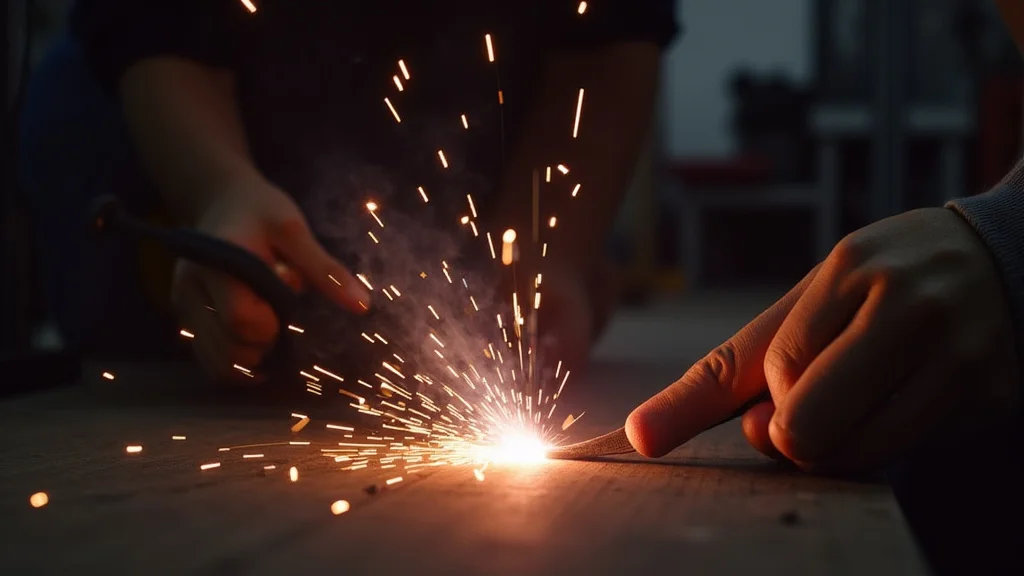
Sometimes when you’re welding, the tip of your welding rod touches the metal you’re working on. This is called a short circuit. It can be frustrating because it stops the weld from happening right.
For folks just starting out, figuring out the Stick Welder Short Circuit? Step Fix can seem tricky. Don’t worry!
We’ll make it super simple with easy steps to get you welding smoothly again. Let’s find out what to do.
Key Takeaways
- You’ll learn what causes a stick welder to short circuit.
- We’ll show you how to fix a short circuit quickly.
- You will discover simple ways to avoid short circuits in the future.
- This guide makes stick welding easier for beginners.
- We cover practical tips for better welding results.
What is a Stick Welder Short Circuit?
The Basics of Short Circuits
When you’re using a stick welder, you have a welding rod. This rod is like a pencil that melts to join metal pieces. The welder sends electricity through this rod.
A short circuit happens when the metal tip of the welding rod touches the metal you are welding. It’s like the electricity finds a shortcut it shouldn’t. This sudden connection can make the power flow in a way that stops the welding arc from forming correctly.
Why It Happens to Beginners
New welders often run into this problem. It’s usually because they are still getting used to how the welding rod and the metal should be positioned. Holding the rod too close or at a bad angle can easily lead to it touching the workpiece.
The feeling of the rod sticking is a common sign. It might feel like the rod is glued to the metal. This stops the arc, and you can’t make a good weld.
The Stick Welder Short Circuit? Step Fix
Step 1: Recognize the Short Circuit
The first sign is usually that your arc stops. You might hear a different sound from the welder, or see sparks stop flying. The rod might feel stuck to the metal.
If the rod is stuck, don’t force it. Try to gently pull it away. If it’s really stuck, you might need to break the connection.
Step 2: Break the Connection
The simplest way to fix a short circuit is to quickly pull the welding rod away from the metal. Imagine you’re trying to pull a hot glue gun tip off something it’s stuck to. A quick, sharp movement often works.
Sometimes, you might need to jiggle it a little. The goal is to create that small gap again so the welding arc can start properly. Be careful not to bend the rod too much.
Step 3: Adjust Your Technique
Once you’ve broken the connection, take a moment. Think about why it happened. Were you holding the rod too close to the metal?
Most of the time, it’s about distance. You need to keep the welding rod tip a specific distance from the metal. This distance is called the arc length.
For most welding rods, it’s about the same thickness as the rod’s core wire.
Step 4: Restart the Arc
After breaking the connection and adjusting your distance, try to start your arc again. You can do this by scratching the rod tip on the metal, like lighting a match, or by tapping it.
If you get a good arc, great! If it shorts out again right away, you might need to check your welder settings or the type of welding rod you are using.
Troubleshooting Common Causes
Incorrect Arc Length
We’ve talked about this, but it’s super important. Too short an arc causes short circuits. Too long an arc can cause other problems, like spatter and weak welds.
Finding that sweet spot is key.
Think of it like trying to keep a campfire lit. You need just enough airflow, not too much and not too little. Your welding arc is similar.
Wrong Welding Rod Angle
The angle at which you hold the welding rod also matters. If you’re holding it too flat against the metal, it’s easier for it to make contact and short out. A slight angle, usually around 10-15 degrees, helps maintain the proper arc length.
Keep the rod mostly straight, pointing at where you want the weld to go, with just a slight tilt forward.
Welding Speed
If you move too slowly, the rod can dip down and touch the metal. If you move too fast, you might not get a good weld, but it’s less likely to cause a short circuit itself.
The goal is a steady, consistent speed that allows the rod to melt and deposit metal properly without touching the workpiece.
Dirty Metal
If the metal you are welding has rust, paint, or other dirt on it, it can cause problems. These impurities can interfere with the electrical connection needed for a good arc. Sometimes, they can cause the rod to stick.
Always clean your metal before welding. A wire brush or grinder works well for this.
Welder Settings
The amperage setting on your welder is crucial. If it’s too low, you might have trouble starting and maintaining an arc, and the rod might stick. If it’s too high, you might burn through the metal or have excessive spatter.
Different welding rods require different amperage. Check the packaging for the rod you are using for recommended settings.
Type of Welding Rod
Some welding rods are easier to use than others. For beginners, rods like E6013 are often recommended because they are forgiving and have a stable arc. Other rods, like E6010, require a different technique and can be more prone to sticking if not used correctly.
Start with rods that are known to be beginner-friendly.
Preventing Short Circuits
Practice the Right Distance
The best way to avoid short circuits is practice. Spend time just focusing on keeping a consistent arc length. Try welding on scrap metal without worrying too much about making a perfect bead.
Feel the arc. Listen to the sound. This will help you know when the distance is right.
Develop a Steady Hand
A steady hand makes a big difference. Try to brace yourself if possible. Leaning your arm on something or using a welding glove to rest on the workpiece can help you keep the rod steady.
Smooth, consistent movements are better than jerky ones.
Clean Your Workspace and Materials
As mentioned before, clean metal is important. Also, make sure your welding area is clear of anything that could get in your way or cause you to move erratically.
A tidy workspace leads to a tidier weld.
Know Your Rods
Understand the welding rods you are using. Read the instructions on the box. They will tell you the correct amperage range and how to best use them.
Using the right rod for the job and knowing its quirks is part of becoming a good welder.
Watch and Learn
If possible, watch experienced welders. See how they hold their torch, their body position, and how they manage the welding rod.
Seeing it done by others can help you copy good habits.
What to Do If the Rod is Really Stuck
Sometimes, even with a quick pull, the rod stays stuck. In this case, you might need to use a little more force. Try twisting the rod slightly while pulling.
If it still doesn’t budge, you might have to carefully pry it off with a tool, like pliers or a hammer, being mindful of not damaging your workpiece too much.
After you free the rod, always inspect it. If it’s bent badly, it might be best to use a new one. This will help you start fresh and avoid repeating the problem.
Frequently Asked Questions
Question: What is the main reason a stick welder shorts out?
Answer: The main reason is when the welding rod touches the metal you are welding, creating an unintended electrical path.
Question: How do I fix a short circuit when it happens?
Answer: Quickly pull the welding rod away from the metal to break the connection and re-establish the welding arc.
Question: Can using the wrong amperage cause short circuits?
Answer: Yes, incorrect amperage settings, especially if too low, can make it difficult to maintain an arc and increase the chances of the rod sticking.
Question: What should I do if the welding rod is stuck very tightly?
Answer: If a quick pull doesn’t work, try twisting the rod gently or carefully prying it off with a tool.
Question: How can beginners avoid short circuits?
Answer: Beginners can avoid short circuits by practicing maintaining a consistent arc length and developing a steady hand.
Final Thoughts
When your stick welder shorts out, don’t get discouraged. It’s a normal part of learning. The quick fix is simple: just pull the rod away.
Focus on keeping the right distance between the rod and the metal, and you’ll see fewer short circuits. A steady hand and clean metal also help a lot. Keep practicing, and you’ll master this in no time.
Soon, welding will feel easy and smooth.