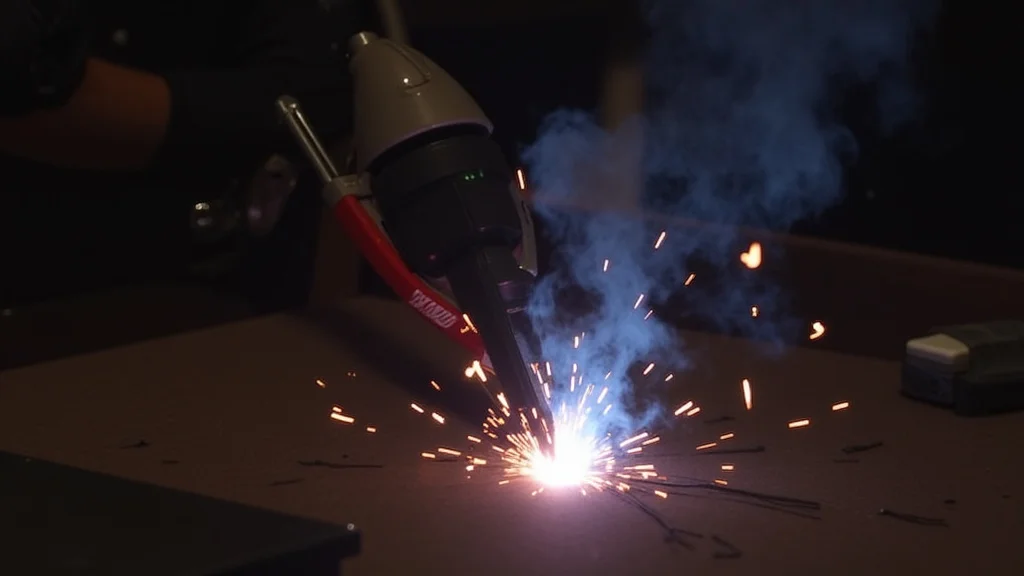
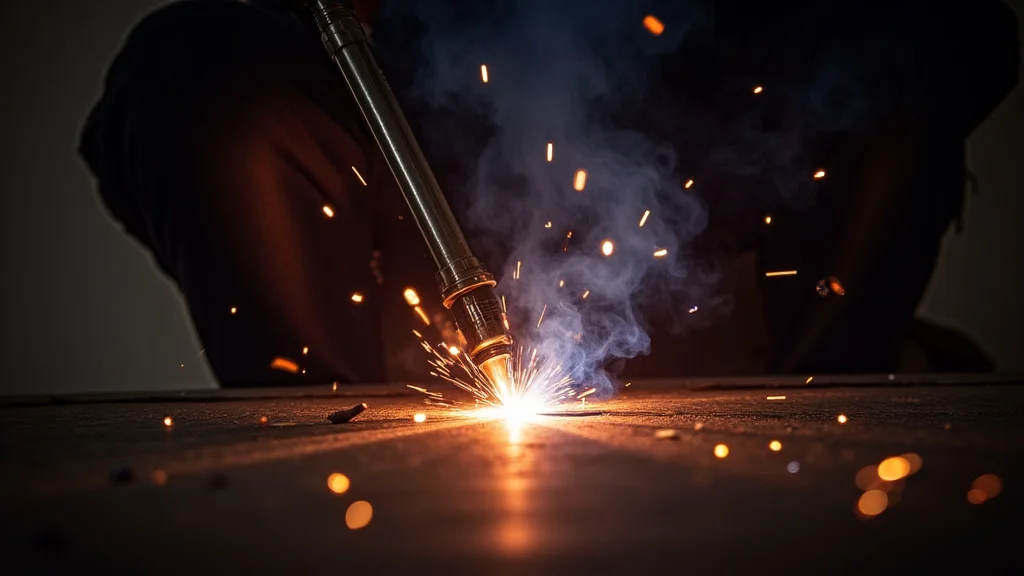
Many people starting with stick welding find themselves puzzled by a common issue: the electrode sticking to the metal. This Stick Welder Short Circuit Problem? Fix can be frustrating, making it hard to get a good weld.
But don’t worry! This guide will help you figure out why it happens and give you simple steps to fix it. We’ll cover what causes this problem and how you can get back to welding smoothly and effectively.
Get ready to learn how to solve this common sticking issue!
Key Takeaways
- Understand why your stick welder electrode might be sticking.
- Learn how to adjust amperage for better arc control.
- Discover the importance of proper electrode angle and movement.
- Identify common beginner mistakes that lead to sticking.
- Find practical solutions to prevent your electrode from sticking.
- Gain confidence in troubleshooting stick welding issues.
What is a Stick Welder Short Circuit Problem?
A stick welder short circuit problem happens when the electrode touches the metal you’re trying to weld and stays there. This stops the electric arc, which is what melts the metal and creates the weld. It’s like a tiny electrical traffic jam!
For someone new to welding, this can feel confusing because it stops the welding process dead in its tracks. You can’t make a weld if the electrode is stuck.
This sticking issue is really common for beginners. It’s often one of the first hurdles people face. They might have the machine on, the electrode ready, but then it just sticks.
It’s not about having the wrong equipment; it’s usually about a few simple things not being quite right.
Why Does My Electrode Keep Sticking?
There are a few main reasons why your stick welder electrode might be sticking to the metal. Knowing these will help you spot the problem quickly.
Low Amperage
One of the most frequent causes is having the welding machine set to too low an amperage. Amperage is like the “heat” or “power” of your weld. If it’s too low, the electrode won’t melt properly or have enough force to break away from the metal surface.
It just kind of “glues” itself on.
Think of it like trying to melt butter with a weak light bulb. It’s not going to happen. You need enough power (amperage) to get the job done.
Incorrect Electrode Angle
The angle at which you hold the electrode also matters a lot. If you’re holding it too straight up and down (perpendicular to the metal) or pushing it too hard into the joint, it’s more likely to get stuck. You want to have a slight drag angle, usually around 15 to 30 degrees away from the direction you are welding.
This angle helps the arc form correctly and creates a pushing force that helps keep the electrode from sticking. It’s like pulling a sled; you pull it at an angle to move forward, not straight down.
Arc Length Too Short
The distance between the tip of the electrode and the metal surface is called arc length. If this distance is too short, the electrode can easily touch the metal. When it touches, it creates a short circuit.
The power can’t flow properly, and the electrode sticks.
A good arc length is usually about the same diameter as the electrode you’re using. It’s a small gap, but it makes a big difference.
Starting the Arc Incorrectly
How you start the arc can also lead to sticking. There are two main ways to start an arc: scratching like a match, or tapping like a hammer. If you scratch too slowly or don’t get a good initial spark, the electrode can stick.
If you tap too hard, you might push the electrode into the metal and cause it to stick before the arc even forms properly. A quick, confident scratch or tap is usually best.
Electrode Type and Condition
Different types of electrodes (like E6010, E6011, E6013, E7018) behave differently. Some are more forgiving for beginners than others. For example, E6013 is known for being easier to start and less prone to sticking than E6010.
Also, if your electrodes are old, damp, or have a damaged coating, they can be harder to work with and more likely to stick. Always store electrodes properly to keep them dry.
Travel Speed Too Slow
If you move the electrode too slowly along the joint, the heat can build up too much in one spot. This can melt the base metal and the electrode, causing them to fuse together, leading to a short circuit.
You want to keep the electrode moving at a consistent speed. The goal is to melt the metal just enough to create a good weld bead without letting everything get too hot.
Dirty Base Metal
The surface you’re welding on needs to be clean. Rust, paint, grease, or other contaminants can interfere with the electric arc. They can cause sputtering, poor fusion, and make it easier for the electrode to stick.
Always clean the metal thoroughly before you start welding. A wire brush or grinder works well for this.
How to Fix the Stick Welder Short Circuit Problem
Now that you know why it happens, let’s look at how to fix it when your electrode gets stuck.
1. Don’t Panic!
The first thing to do is stay calm. If the electrode sticks, don’t yank it away violently. This can damage the electrode tip or even the welding machine.
Just try to break the connection calmly.
2. Gently Twist and Pull
Often, a gentle twisting motion combined with a slight pull can break the electrode free without damaging it. Try wiggling it side to side while pulling gently away from the workpiece. The goal is to break the electrical connection.
3. Use the Right Technique to Break the Arc
If the electrode is really stuck, you might need to intentionally break the arc. You can sometimes do this by flicking your wrist sharply to pull the electrode away from the metal. Think about “flicking” it off rather than pulling hard.
This should create a brief spark and free the electrode.
4. Check Your Settings and Technique
Once you’ve freed the electrode, before you try welding again, take a moment to check your settings and how you’re holding it. Is the amperage too low? Is your arc length too short?
Are you holding the electrode at the right angle?
Making these small adjustments can prevent it from happening again right away.
5. If It’s Really Stuck, Replace the Electrode
Sometimes, especially if the electrode has melted too much or fused deeply, it’s best to stop and replace the electrode. Trying to force a stuck electrode can sometimes damage your electrode holder (stinger).
Preventing the Stick Welder Short Circuit Problem
The best way to deal with a Stick Welder Short Circuit Problem? Fix is to prevent it from happening in the first place. Here’s how:
Adjust Your Amperage Correctly
This is key. For most common stick welding jobs with standard electrodes like E6013 or E7018, you’ll need to find the right amperage. The electrode packaging usually has a recommended amperage range.
Start in the middle of that range and adjust based on how the weld is going.
If the electrode is sticking, your amperage is probably too low. If it’s burning too fast and you can’t control the puddle, it might be too high.
| Electrode Type | Recommended Amperage Range (typical for 1/8″ diameter) | Notes |
|---|---|---|
| E6013 | 50-90 A | Good for beginners, easy arc starting, less spatter. |
| E7018 | 70-110 A | All-position electrode, strong welds, requires clean electrodes. |
| E6010 | 40-80 A | Deep penetration, good for dirty metal, can be harder to control. |
Maintain a Consistent Arc Length
As mentioned, a good arc length is usually about the diameter of the electrode. Practice keeping this distance consistent. Try to listen to the sound of the arc; a good arc has a steady crackling sound.
If it’s sputtering or popping a lot, your arc length or amperage might be off.
Imagine you are trying to maintain a consistent space between your fingers and the metal as you weld. It takes practice, but it’s vital.
Use the Correct Electrode Angle
Always aim for a slight drag angle, typically 15-30 degrees. This means the electrode should be leaning slightly backward in the direction you are welding. This angle helps push the molten metal and the electrode forward, preventing it from sticking.
Don’t hold the electrode straight up and down. It feels natural to do so at first, but it makes sticking more likely.
Master Arc Starting Techniques
Practice starting the arc quickly and confidently. The “scratch” method, like striking a match, is common. Make a quick, light scratch motion.
If that doesn’t work, try a quick tap, like tapping a pencil on a desk, but be careful not to push too hard.
The goal is to create a strong, initial spark that establishes the arc immediately. A hesitant start often leads to sticking.
Keep Your Electrodes Dry and Clean
Moisture is an enemy of welding electrodes. If your electrodes have been exposed to humidity, they can absorb water, which affects their performance and makes them prone to sticking. Store them in a dry place or in their original packaging.
If you suspect your electrodes are damp, you might need to “recondition” them using a special oven, but for most beginners, using fresh, properly stored electrodes is the easiest solution.
Maintain Proper Travel Speed
Move the electrode along the weld joint at a steady pace. If you move too slowly, you create a large molten pool that can trap the electrode. If you move too fast, you won’t get enough heat into the metal for a good weld, and the bead will be narrow and possibly have undercut.
The speed should be just enough to create a consistent bead width and penetration without letting the puddle get too big and gooey.
Ensure a Clean Base Metal
Always clean the metal you’re welding. Use a wire brush, grinder, or even a flap disc to remove any rust, paint, oil, or dirt. A clean surface allows for a cleaner arc and better fusion, reducing the chances of the electrode sticking.
A clean surface means the electricity can flow smoothly and the electrode can do its job without interference.
Troubleshooting Common Scenarios
Let’s look at some specific situations where sticking might happen and how to address them.
Sticking When Starting on Flat Surfaces
On a flat plate, sticking often happens because the amperage is too low or the arc length is too short when you’re trying to initiate the arc. Try increasing the amperage slightly, or ensure you are making a quick, decisive scratch motion. Make sure you have a bit of a drag angle right from the start.
Sticking on Vertical or Overhead Welds
These positions can be trickier. Gravity works against you. If amperage is too high or you pause too long, the molten metal can sag and cause the electrode to stick.
For vertical up, you might need to use a slightly higher amperage and a quick whipping motion to keep the puddle from getting too large. For overhead, a steady, consistent arc length and speed are crucial.
Sticking with Different Electrode Types
As noted, E6010 and E6011 can be more prone to sticking for beginners because they have a “hotter” arc and require a bit more control. If you’re struggling, try switching to an E6013 or an E7018 (if your machine can handle the higher amperage needs of E7018). These are generally more forgiving.
Frequently Asked Questions
Question: My electrode keeps sticking immediately after I strike an arc. What am I doing wrong?
Answer: This usually means your amperage is too low, your arc length is too short, or you’re not starting the arc quickly and confidently. Try increasing the amperage slightly, ensure you have a consistent, short arc length (about the electrode diameter), and practice a quick, decisive scratch or tap to start.
Question: I’m using E7018 rods and they stick a lot. What’s the fix?
Answer: E7018 rods require a bit more amperage and a clean, dry environment. Make sure your machine is set to the higher end of the recommended amperage range for your rod diameter. Also, ensure your rods are properly stored and not exposed to moisture, as this makes them stickier.
Question: How can I tell if my amperage is too low?
Answer: If the electrode sticks consistently, the arc is weak and sputters a lot, or the weld puddle doesn’t seem to melt the metal sufficiently, your amperage is likely too low. The electrode essentially glues itself to the base metal instead of melting and flowing.
Question: Should I try to rip the electrode away if it sticks?
Answer: No, avoid yanking violently. Gently twist and wiggle the electrode while pulling slightly to break the connection. If it’s firmly stuck, it’s often better to let it cool a bit and then try to break it free, or replace the electrode if it’s badly fused.
Question: Does the angle I hold the electrode really matter for sticking?
Answer: Yes, it absolutely matters. Holding the electrode too perpendicular to the metal increases the chance of it sticking. A slight drag angle (leaning the electrode back in the direction of travel, about 15-30 degrees) helps push the molten metal and electrode away from the workpiece, preventing it from adhering.
Final Thoughts
Learning to stick weld involves mastering simple techniques. When your electrode sticks, it’s usually a sign that your amperage is too low, your arc length is too short, or you’re not holding the electrode at the right angle. By checking your machine settings and adjusting your technique—like maintaining a consistent arc length and a slight drag angle—you can solve this common problem.
Keep practicing these adjustments, and you’ll soon be welding smoothly without the frustration of a stuck electrode.