It can be frustrating when your MIG welder won’t start. If you’re new to welding, the issue of a MIG Welder Won’t Start? Common Problems might seem tricky.
But don’t worry! Most of the time, it’s a simple fix. We’ll walk you through the common culprits step-by-step.
Get ready to get your welder back to work with our easy guide.
Key Takeaways
- Check your power source and connections first.
- Ensure the gas supply is correctly set up and flowing.
- Inspect the wire feed system for any blockages or issues.
- Verify that the welding gun and consumables are in good condition.
- Understand basic safety checks for a welding machine.
- Learn how to troubleshoot common starting problems for MIG welders.
Why Your MIG Welder Won’t Start: Simple Fixes
Welding is a fantastic skill. Having your MIG welder ready to go makes practice easy. When it suddenly refuses to start, it’s a common problem that can stop your work.
Many beginners find this confusing. Let’s break down why this happens and how to fix it quickly.
Power Issues: The First Place to Look
The most basic reason a welder won’t start is a lack of power. It sounds simple, but it’s the most common offender. Always start with the power source.
Is It Plugged In?
This might seem silly, but double-check that the welder is plugged in securely. Sometimes, a loose connection is all it is.
Check Your Circuit Breaker
Your home or workshop circuit breaker might have tripped. Find your breaker box and see if the breaker for your welder has flipped. If it has, reset it.
If it trips again right away, there might be a bigger electrical problem. You may need an electrician to check your wiring.
Extension Cords and Power Strips
If you’re using an extension cord, make sure it’s rated for the amperage your welder needs. Using a cord that’s too thin can cause power loss or prevent the welder from starting. Heavy-duty cords are a must for welders.
Similarly, cheap power strips can’t handle the load. Try plugging the welder directly into the outlet if you’re using one.
Voltage Drop
Long extension cords can sometimes cause a voltage drop. This means not enough power is reaching the welder. If possible, try plugging the welder in closer to the power source without an extension cord to see if that helps.
For permanent setups, ensure your wiring is adequate for the welder’s power draw.
Gas Supply: The Invisible Ingredient
For MIG welding, shielding gas is crucial. It protects the weld puddle from the air. If the gas isn’t flowing, the welder might not start properly or will produce poor welds.
Is the Gas Cylinder Open?
Make sure your shielding gas cylinder valve is fully open. It’s easy to forget this step when you’re in a hurry. You should hear gas flowing when you briefly pull the trigger (without the wire feeding).
Regulator Settings
The gas regulator on your cylinder controls the gas pressure and flow rate. Check that it’s set to the recommended flow rate for your specific welding application. For most steel welding with C25 gas (75% Argon, 25% CO2), a flow rate of 15-25 cubic feet per hour (CFH) is common.
Your welder’s manual will have the best settings.
Leaky Connections
Gas can leak from connections between the cylinder, regulator, hose, and the welder. Listen for any hissing sounds. You can also use soapy water on connections; bubbles will appear where there’s a leak.
Tighten any loose fittings.
Empty Cylinder
It’s possible the gas cylinder is simply empty. Many regulators have a gauge that shows the remaining pressure. If the gauge reads zero or very low, it’s time for a refill or a swap.
Wire Feed System: The Heartbeat of MIG
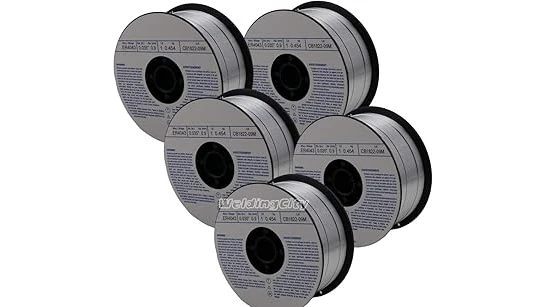
The wire feed system pushes the welding wire from the spool through the gun to the arc. If this isn’t working, you won’t get a weld.
Wire Spool Problems
Ensure the wire spool is mounted correctly and that the wire is unwinding smoothly. Sometimes, the wire can get tangled or kinked on the spool, preventing it from feeding.
Drive Rollers
The drive rollers grip the wire and push it. Check that the correct size rollers are installed for your wire diameter. Make sure they are clean and free of debris.
If they are worn, they might not grip the wire effectively. The tension on the drive rollers is also important. Too loose, and the wire slips.
Too tight, and it can crush the wire or damage the drive motor.
Wire Feed Tube (Liner)
The liner is a flexible tube inside the welding gun cable that guides the wire. If the liner is damaged, kinked, or obstructed, the wire will get stuck. A kink in the liner is a very common cause of wire feed issues.
Contact Tip
The contact tip is the small piece at the end of the welding gun that the wire passes through and also conducts electricity. If the tip is clogged with spatter or is the wrong size for your wire, the wire won’t feed properly. It can also cause poor electrical contact, leading to an arc that won’t start or is unstable.
Always use the correct size tip for your wire.
Welding Gun and Cables: The Connection to the Work
The welding gun, its cable, and the ground clamp are essential for completing the circuit.
Loose Connections on the Gun
Check that the welding gun is securely attached to the welder. Sometimes, the power cable or gas hose can become loose.
Damaged Cable
Inspect the welding cable and the ground cable for any cuts, abrasions, or damage. Damaged cables can prevent current from flowing, stopping the welder from starting.
Ground Clamp
A good ground connection is vital. Ensure the ground clamp is attached firmly to a clean, bare metal surface on the workpiece or welding table. Rust, paint, or dirt on the surface can prevent a good electrical connection.
Try cleaning the contact area with a wire brush.
Other Common Issues
There are a few other things that can cause your MIG welder to refuse to start.
Overheating Protection
Many welders have thermal overload protection. If the welder gets too hot from continuous use, it will shut itself down to prevent damage. Let it cool down completely before trying to use it again.
The cooling fan should be running. If it’s not, the fan might be the issue.
Trigger Switch Malfunction
The trigger on your welding gun tells the welder to start feeding wire and creating an arc. If the trigger switch is faulty, it won’t send the signal to the welder. This is less common but possible.
Wrong Welding Mode Selected
Some advanced MIG welders have different modes for different types of welding. Ensure you have the correct mode selected for your application. For example, you wouldn’t want to be in a flux-cored setting if you’re trying to run solid wire with gas.
Consumables Wear
Worn-out or incorrect welding consumables (contact tips, nozzles, liners) can prevent a proper arc from forming, making it seem like the welder won’t start. Always ensure your consumables are in good shape and match your wire size.
Frequently Asked Questions
Question: My MIG welder makes a humming noise but won’t start. What could be wrong?
Answer: A humming noise often means the welder is receiving power but the wire feed or the arc initiation is failing. Check the wire feed system, the contact tip for clogs, the ground clamp for a good connection, and ensure the gas is flowing. Overheating protection can also cause humming and a shutdown.
Question: I just replaced the wire spool, and now my MIG welder won’t start. What did I miss?
Answer: Double-check that the new wire spool is loaded correctly and that the wire is feeding smoothly off the spool. Ensure the drive rollers are set for the correct wire size and tension. Make sure the wire is properly threaded through the gun liner and that the contact tip is the correct size for the wire.
Question: My MIG welder seems to have power, but no wire is feeding. What should I do?
Answer: This points to an issue in the wire feed system. Inspect the drive rollers for proper engagement and tension. Check the gun liner for kinks or blockages.
Make sure the contact tip is clear and the correct size for the wire. Also, verify that the wire spool isn’t jammed.
Question: Is it safe to keep trying to start my MIG welder if it’s not working?
Answer: It’s generally safe to try starting it a few times, but if you suspect an electrical fault or hear strange noises, stop immediately. Repeatedly trying to force a start with a faulty component can damage the welder. Always consult your manual and perform basic safety checks before each attempt.
Question: I’m getting an arc, but it’s weak and sputters. Why isn’t my MIG welder starting properly?
Answer: A weak or sputtering arc usually indicates a problem with the electrical connection, gas flow, or wire feed. Check your ground clamp connection, ensure the gas is flowing at the correct rate, and inspect the contact tip for wear or blockage. Incorrect voltage or wire speed settings can also cause this.
Final Thoughts
When your MIG welder won’t start, it’s often down to a few common things. We’ve covered power, gas, wire feed, and connections. Most of the time, a simple check and adjustment will get you welding again.
Always start with the basics: power is on, gas is flowing, and the wire feeds smoothly. Keep your consumables clean and your ground connection solid. With these checks, you’ll likely find the fix quickly.
Happy welding!