
It’s easy to get a little stuck when your MIG welder wire feed speed is too slow. You might notice the weld isn’t coming out right, or maybe the wire just stops coming out altogether. This happens to lots of people starting out, and it can feel a bit frustrating.
But don’t worry! We’re going to break down exactly why this happens and give you simple steps to fix it. We’ll go over what to check first, what could be causing the problem, and how to get your welder running smoothly again so you can get back to making great welds.
Let’s explore what you need to do to solve the MIG Welder Wire Feed Speed Too Slow? Fix.
Key Takeaways
- You will learn the common reasons why MIG welder wire feed speed is too slow.
- We will show you how to check simple things like the wire spool and drive rollers.
- You will discover how to adjust settings for better wire feeding.
- We’ll explain how dirt and damage can affect your wire feed.
- You’ll gain confidence in troubleshooting your MIG welder.
Why is MIG Welder Wire Feed Speed Too Slow?
Understanding Wire Feed Speed
The wire feed speed on your MIG welder is super important. It controls how fast the welding wire comes out of the gun. This speed needs to match your voltage and the type of metal you’re welding.
If it’s too slow, you won’t get enough filler metal into the weld. This can make your welds weak and look bad. It’s like trying to fill a bucket with a trickle of water – it just takes too long and doesn’t work well.
For beginners, getting this speed just right can be tricky. There are a few moving parts, and sometimes a small thing can cause a big problem. That’s why you might find yourself asking, “MIG Welder Wire Feed Speed Too Slow?
Fix this now!” It’s a common question because it directly affects the quality of your welds. But once you know what to look for, it’s usually pretty simple to sort out.
Common Causes for Slow Wire Feed
There are several reasons why your MIG welder’s wire feed might be too slow. Most of them are easy to spot and fix. Let’s look at the most common culprits.
1. The Wire Spool Issues
The wire on your spool needs to unwind smoothly. If the spool is too tight, it can create a lot of tension. This tension makes it hard for the wire to be pulled through by the drive rollers.
Think of it like trying to pull a thick rope that’s been tied in a knot – it’s just harder to move.
Another spool problem is if the wire isn’t wound evenly. If it’s bunched up in one spot, it can snag and prevent smooth feeding. Also, make sure the spool is properly secured and spins freely on the shaft.
If it’s loose, it can wobble and cause issues.
2. Drive Roller Problems
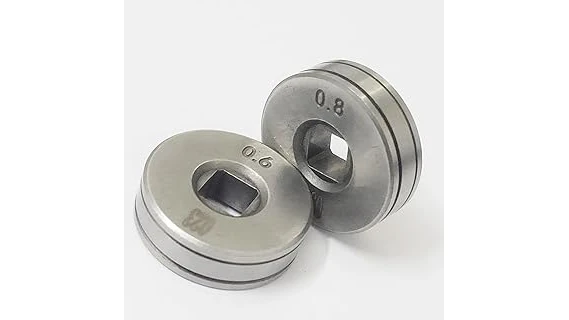
The drive rollers are what grip the welding wire and push it through the gun. There are usually two rollers, one on top and one on the bottom. These rollers have grooves that match the size of your wire.
If the rollers are the wrong size for your wire, they won’t grip it properly. This means they’ll spin but won’t push the wire forward effectively, making the feed speed seem too slow. You need to make sure the groove on the roller matches the diameter of the wire you’re using.
Another issue is if the rollers are worn out or dirty. If the knurling on the rollers, which helps them grip, is gone, they will slip. Dirt or metal shavings can also build up on the rollers, reducing their grip.
3. Incorrect Drive Roller Tension
The pressure that the drive rollers apply to the wire is called tension. You can adjust this. If the tension is too loose, the rollers will slip on the wire, and it won’t feed consistently or quickly enough.
If the tension is too tight, it can deform the wire, especially softer wires like aluminum, making it harder to feed and potentially causing jams.
Finding the right balance is key. The rollers should grip the wire firmly enough to push it without crushing or deforming it.
4. Kinked or Damaged Wire
If your welding wire gets a kink in it, it’s like a bend in a hose that stops water flow. A kink creates a weak spot and causes the wire to snag as it tries to go through the gun liner. This will dramatically slow down or stop the wire feed.
You can get kinks if the wire is pulled too hard, if it gets tangled on the spool, or if it’s been fed through the welder and then pulled back out incorrectly. Always try to feed wire smoothly and avoid creating sharp bends.
5. Clogged or Damaged Gun Liner
The gun liner is a tube inside your welding gun that the wire travels through. If this liner gets dirty or clogged with metal shavings, rust, or old lubricant, it creates friction. This friction makes it harder for the wire to be pushed through, slowing down the feed speed.
A damaged liner, perhaps where it’s frayed or bent, can also cause the wire to snag. It’s like trying to push something through a rough pipe – it won’t go as smoothly or as fast.
6. Dirty or Worn Contact Tip
The contact tip is the small piece at the very end of your welding gun. It’s where the electrical current transfers to the wire. If this tip is dirty, clogged with spatter, or worn out, it can restrict the flow of the wire.
It also affects the electrical connection, which can indirectly impact the wire feed.
Spatter can build up inside the tip, making the hole smaller. A worn tip will have a larger, irregular hole, which can also cause feeding problems and poor weld quality.
7. Incorrect Machine Settings
While less common for wire feed speed directly, incorrect voltage or amperage settings can affect how the arc behaves. If the arc is too hot or too cold, it can cause excessive spatter or make the wire stick to the workpiece. This resistance can make it seem like the wire feed is too slow, even if the motor is trying to push wire at the correct speed.
You need to match your wire feed speed to your voltage and wire diameter for the best results. If your wire feed speed is set too low for the selected voltage, you’ll have a weak, poorly penetrating weld.
8. Problems with the Drive Motor
In some cases, the problem might be with the wire feed motor itself. If the motor is weak, overheating, or has a loose connection, it won’t be able to push the wire at the correct speed. This is usually a less frequent issue compared to the others, but it’s possible.
If you’ve checked everything else and the wire feed is still slow, the motor could be the culprit.
Troubleshooting Steps to Fix Slow Wire Feed
Let’s go through a step-by-step guide to help you solve the “MIG Welder Wire Feed Speed Too Slow? Fix” problem.
Step 1: Check the Wire Spool
Start with the basics. Make sure your wire spool is mounted correctly and spins freely. Check that the tension brake on the spool (if your welder has one) isn’t too tight.
It should allow the spool to unwind smoothly but not spin out of control.
If the wire is snagged or unevenly wound, try to gently unwind a few feet to see if it straightens out. If it’s badly kinked on the spool, you might need to cut off the damaged section or even replace the spool.
Step 2: Inspect and Adjust Drive Rollers
Open up the drive roller cover on your welder. Check that you have the correct size drive rollers installed for the wire diameter you are using. Most welders have two sets of rollers, one for common sizes like 0.023″ – 0.030″ and another for larger sizes like 0.035″ – 0.045″.
Look at the rollers for wear or dirt. Clean them with a wire brush or a cloth. If they are heavily worn or damaged, you’ll need to replace them.
Also, ensure the correct groove type is facing outwards (V-groove for steel, U-groove for aluminum, knurled for flux-cored wire).
Step 3: Set the Correct Drive Roller Tension
With the correct rollers installed and clean, adjust the tension. You want enough pressure to grip the wire firmly but not so much that it crushes it. A good test is to try to pull the wire out of the gun while the motor is running at a slow speed.
It should feed, but you should be able to stop it with moderate pressure from your gloved hand. If it slips easily, increase tension. If it deforms the wire, decrease tension.
Step 4: Check for Kinks and Damage in the Wire
Pull out a few feet of wire from the gun and inspect it carefully. Look for any sharp bends or kinks. If you find one, cut off the damaged section.
If the entire spool seems to have been subjected to severe kinking, it may be best to use a new spool.
When feeding wire into the welder, always do it slowly and avoid creating sharp bends. If you need to retract wire, do so slowly and carefully.
Step 5: Clean or Replace the Gun Liner
This is a common cause of wire feed problems. Disconnect the welding gun from the power source. You may need to remove the contact tip and nozzle.
Then, try to push a length of new wire through the liner by hand. If you feel resistance, the liner is likely dirty or clogged. You can try to clean it by blowing compressed air through it or using a specialized liner cleaning tool.
However, if the liner is old or damaged, it’s often best to replace it. This is a relatively simple repair that can make a huge difference.
Step 6: Clean or Replace the Contact Tip
Remove the contact tip from the end of your welding gun. Inspect it for any spatter buildup inside or outside the hole. Clean it thoroughly with a wire brush or by using a tip cleaning tool.
If the tip is visibly worn, enlarged, or damaged,
Step 7: Verify Machine Settings
Ensure your voltage and wire feed speed settings are appropriate for the material thickness and wire size you are using. Consult your welder’s manual or a welding chart for recommended settings. Sometimes, the wire feed speed might be set too low for the selected voltage.
Adjusting the voltage and wire feed speed together can solve many weld quality issues, including perceived slow feed.
Step 8: Test the Drive Motor
If you’ve gone through all the above steps and the wire feed is still problematic, there might be an issue with the drive motor. Listen for any unusual noises or if the motor seems weak when it tries to feed wire. Check for loose electrical connections to the motor.
If you suspect the motor is faulty, you may need to consult your welder’s manual or contact a service technician.
What to Do If Wire Feed Speed Is Too High
While this article focuses on slow wire feed, it’s worth noting that the opposite problem can also occur: wire feed speed is too high. If this happens, the wire will feed too fast, leading to a very “hot” arc, excessive spatter, and difficulty controlling the weld puddle. To fix this, you would simply decrease the wire feed speed setting on your welder.
When to Seek Professional Help
Most MIG welder wire feed speed issues are simple fixes that you can do yourself. However, if you’ve tried all the troubleshooting steps and are still experiencing problems, or if you’re uncomfortable performing any of the checks, it’s a good idea to contact the manufacturer’s support or a qualified welding equipment repair service. They can diagnose more complex mechanical or electrical issues.
Frequently Asked Questions
Question: What is the most common reason for slow MIG wire feed?
Answer: The most common reasons are issues with the drive rollers, such as incorrect size, wear, dirt, or improper tension, or a dirty or clogged gun liner.
Question: How do I know if I have the right drive rollers?
Answer: You have the right drive rollers if they are sized for your welding wire diameter and have the correct groove type (e.g., V-groove for steel). Check your welder’s manual for guidance.
Question: Can a kink in the wire cause a slow feed?
Answer: Yes, a kink creates a point where the wire can snag as it passes through the gun liner, significantly slowing down or stopping the feed.
Question: Should I clean my contact tip regularly?
Answer: Yes, cleaning your contact tip regularly, especially after welding, helps prevent spatter buildup that can restrict wire flow and affect weld quality.
Question: How tight should the drive roller tension be?
Answer: The tension should be tight enough to grip the wire without slipping, but not so tight that it deforms or crushes the wire. You should be able to stop the wire feed with moderate hand pressure.
Final Thoughts
So, when your MIG welder wire feed speed is too slow, you now know where to start looking. It’s usually something simple like dirty rollers, a clogged liner, or a spool that needs a little attention. You’ve learned how to check these parts and make adjustments.
By following these steps, you can get your welder working smoothly again. Fixing a slow wire feed means better welds and less frustration. You’ve got the tools to solve this common problem and keep your projects moving forward.
Happy welding!
Leave a Reply