
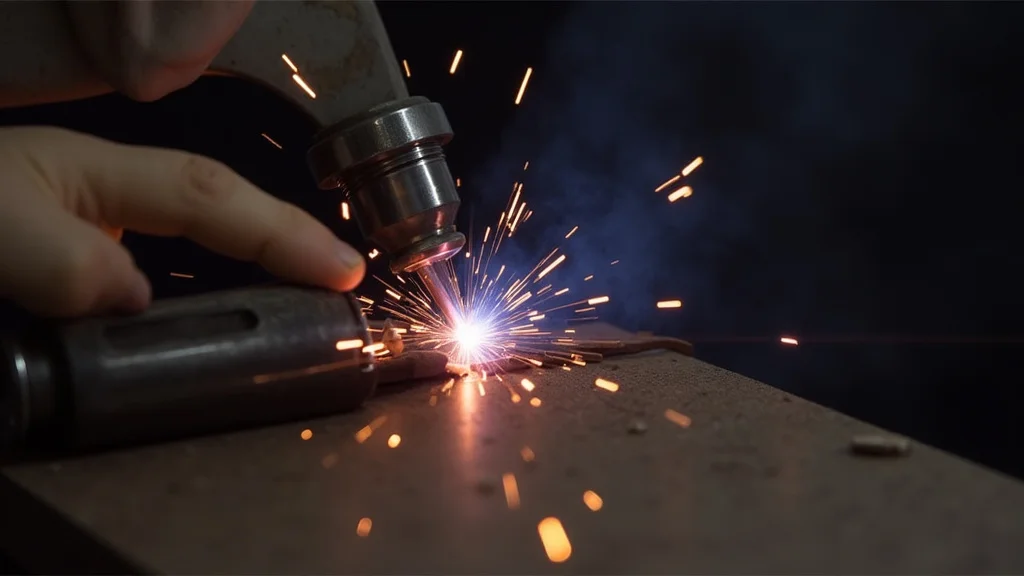
It’s really common for new welders to run into issues when their MIG welder wire feed isn’t working right. This can be frustrating because you just want to get welding! But don’t worry, most of these problems are simple to fix once you know where to look.
We’ll go through it step-by-step so you can get back to making great welds. Let’s figure out what’s going on.
Key Takeaways
- You will learn the most common reasons for MIG welder wire feed problems.
- Simple checks for the wire spool and liner will be explained.
- You’ll find out how to adjust tension and check your contact tip.
- Troubleshooting guide rollers and drive rolls will be covered.
- Tips for checking your gun and welding cable are included.
- Preventative maintenance to avoid future issues will be discussed.
Why Your MIG Welder Wire Feed Might Be Acting Up
The Basics: What is Wire Feed and Why It Matters
Your MIG welder works by feeding a wire, called filler wire, through a welding gun. This wire is like a continuous electrode. As it feeds out, an electric current melts it and the surrounding metal.
This creates the weld. The wire feed system is a crucial part of this process. If it doesn’t work right, you won’t get a good weld.
You might get nothing at all.
Common Signs of a Problem
When the wire feed isn’t working properly, you might see a few things. The wire might feed out very slowly, or not at all. Sometimes, it might feed erratically, stopping and starting.
You could also hear strange noises coming from the welder. These are all signs that something needs attention.
Troubleshooting the Wire Feed System: Step-by-Step
Checking the Wire Spool and Liner
Let’s start with the wire itself. Make sure your wire spool is loaded correctly. The wire should be coming off the top of the spool, not the bottom.
If it’s loaded backward, it can twist and get stuck.
Next, look at the liner inside your welding gun. The liner is a flexible tube that guides the wire from the machine to the gun’s tip. If the liner is kinked, bent, or damaged, the wire can snag.
To check it, disconnect the gun from the welder. Try to push some wire through by hand. If it feels stiff or catches, the liner might be the issue.
Adjusting Wire Tension
There’s a tension adjustment on your MIG welder for the wire drive rolls. This controls how hard the rolls grip the wire. If the tension is too loose, the rolls will slip, and the wire won’t feed smoothly.
If it’s too tight, you can crush the wire or damage the drive rolls.
You want just enough tension for the rolls to grip the wire firmly without deforming it. A good test is to set the tension so that the wire can’t be easily pulled back while the drive rolls are spinning (with the welder on, but not welding). Start with a lower setting and gradually increase it until the wire feeds steadily.
Inspecting the Drive Rolls
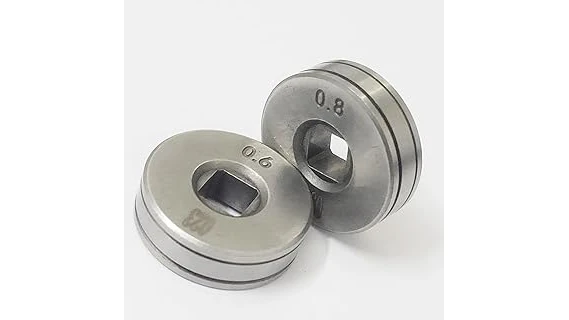
The drive rolls are what push the wire through the gun. Most MIG welders have two rolls, one on top and one on the bottom. These rolls have grooves that match the diameter and type of wire you are using.
For example, you’ll use different grooves for .030-inch steel wire than for .035-inch flux-cored wire.
Make sure you have the correct drive rolls installed for your wire size. Also, check the rolls for wear or damage. If they are worn down or have nicks, they won’t grip the wire properly.
Clean any dirt or metal shavings from the grooves. If the rolls are worn, they need to be replaced.
Examining the Contact Tip
The contact tip is the small brass part at the very end of your welding gun. It guides the wire and also transfers the welding current to it. If the hole in the contact tip becomes enlarged, worn, or plugged with spatter, the wire can get stuck or feed unevenly.
Check the contact tip for any buildup of welding spatter. If there is spatter, you can often clean it out with a wire brush or a tip cleaner tool. If the hole looks too big or the tip is damaged, it’s time to replace it.
Always use the correct size tip for your wire.
Troubleshooting the Gun and Cable Assembly
The welding gun and cable assembly connects the welder to the torch. The wire travels through the cable inside a liner. If the cable is kinked, stretched, or damaged, it can impede wire feeding.
Make sure the cable is not bent sharply or caught on anything.
Sometimes, the connection between the gun cable and the welder can become loose or corroded. Check this connection and ensure it’s tight and clean. A poor connection can reduce the power going to the drive rolls, affecting their performance.
Power Source and Control Board Issues
While less common for beginners, sometimes the issue can be with the welder’s internal components. The wire feed motor could be failing, or there might be a problem with the control board that tells the motor when and how fast to run. If you’ve checked everything else and the wire still isn’t feeding, it might be time to consult your welder’s manual or contact the manufacturer for service.
Preventative Maintenance for Smooth Wire Feeding
Keep it Clean
Dirt, dust, and metal shavings can get into your wire feed system. Regularly clean the drive rolls, the area around them, and the liner. A clean machine works better and lasts longer.
Use the Right Wire
Always use the correct diameter and type of wire for your welder. Using the wrong wire can cause feeding problems and affect weld quality.
Check Connections
Periodically inspect the connections for your gun cable and ground clamp. Make sure they are clean and tight.
Store Your Gun Properly
When you’re not welding, don’t leave your gun lying on the floor where it can get kinked or damaged. Hang it up carefully.
Common Problems and Quick Fixes
| Problem | Possible Cause | Quick Fix |
|---|---|---|
| Wire not feeding at all | Drive roll tension too loose, incorrect drive roll groove, wire spool loaded backward, liner kinked. | Tighten tension, check/change drive roll, reload spool, inspect liner. |
| Wire feeding erratically | Wire spool tension too tight, contact tip clogged with spatter, liner damaged, drive rolls worn. | Loosen spool tension, clean/replace tip, inspect/replace liner, check drive rolls. |
| Wire looks crushed or deformed | Drive roll tension too tight, incorrect drive roll groove for wire. | Loosen tension, ensure correct drive roll is installed. |
| Wire bird nests in the gun | Wire spool tension too tight, liner kinked, wire feeding too fast for settings. | Adjust spool tension, check liner, check welder settings. |
Frequently Asked Questions
Question: My MIG wire is feeding, but it keeps stopping and starting. What should I do?
Answer: This usually means the wire is getting caught somewhere. Check the liner for kinks or debris. Also, make sure the wire spool isn’t too tight and the tension on the drive rolls is just right.
A dirty or worn contact tip can also cause this.
Question: I can’t get the wire to feed out of the gun at all. What’s the first thing to check?
Answer: Start by checking the drive rolls. Make sure you have the correct groove size for your wire and that the tension isn’t too loose. Also, confirm the wire spool is loaded correctly so it unwinds smoothly.
Question: My MIG welder is making a grinding noise when I try to feed wire. What could it be?
Answer: A grinding noise often means the drive rolls are slipping or trying to push the wire through an obstruction. Check if the tension is too loose or if the wire is getting snagged in the liner or gun. The drive rolls themselves might also be worn out.
Question: How do I know if I have the right size drive rolls installed?
Answer: Drive rolls have grooves on them that match the diameter of your welding wire. Check the markings on the drive roll or in your welder’s manual. For example, you might see “.030” or “.035” stamped on the roll.
Using the wrong size will prevent smooth feeding.
Question: Can a dirty contact tip stop my wire feed?
Answer: Yes, absolutely. If the opening in the contact tip is clogged with welding spatter or debris, it can restrict or completely block the wire from feeding. Cleaning or replacing the contact tip is a common fix for many wire feed issues.
Final Thoughts
Experiencing problems with your MIG welder wire feed is a normal part of learning. By systematically checking the wire spool, liner, tension, drive rolls, and contact tip, you can pinpoint most issues quickly. Remember to keep your equipment clean and use the right supplies.
Most of the time, a simple adjustment or a quick clean will get you back to welding smoothly. Don’t let these common hiccups discourage you; they are learning opportunities. With a little patience and these steps, you can keep your wire feeding reliably for better welds.
Leave a Reply