Ever had your MIG welder wire melt right through the nozzle or tip? That frustrating problem, often called burnback, can stop your welding in its tracks. It happens to many people, especially when they’re just starting out.
But don’t worry! We’re going to show you exactly how to fix MIG Welder Burnback Damage? Step Fix with simple steps.
You’ll be welding smoothly again in no time. Let’s get your welder working like new.
Key Takeaways
- Burnback happens when the welding wire melts too soon, sticking to the contact tip.
- You can fix burnback by adjusting your welder’s settings and checking your equipment.
- A common cause is having your voltage too high or your wire speed too low.
- Keeping your MIG gun and consumables clean is key to preventing burnback.
- Understanding how different settings affect your weld helps you avoid this issue.
- Simple checks of your wire feed and gas flow can solve many burnback problems.
What is MIG Welder Burnback?
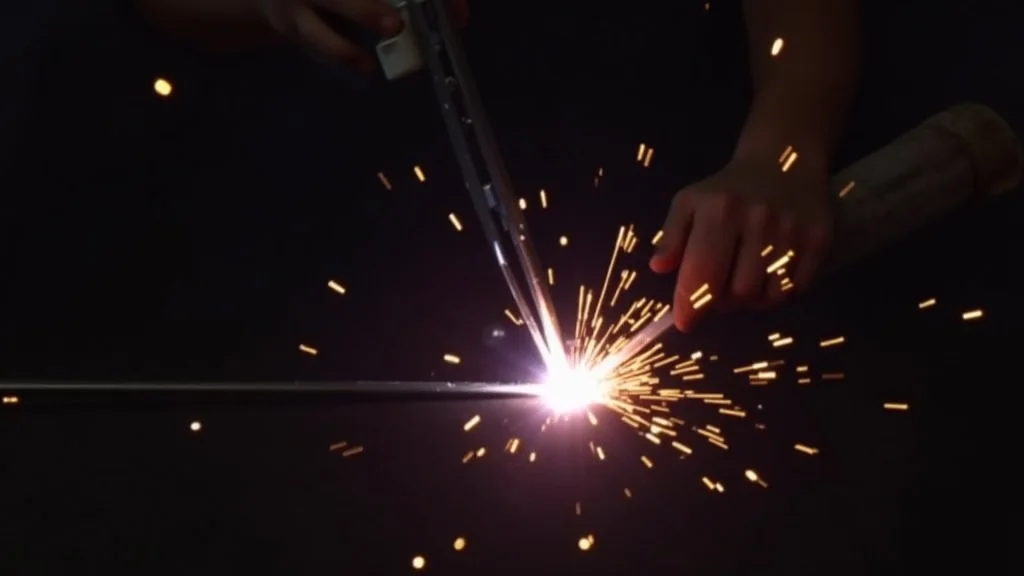
MIG welding, also known as Gas Metal Arc Welding (GMAW), is a popular way to join metals. It uses a continuous wire electrode that melts to form the weld. Sometimes, this wire melts too early, before it even gets to the metal you’re welding.
This is burnback. It looks like the wire has melted back up into the welding gun.
When burnback happens, the melted wire can stick to the contact tip inside your MIG gun. This tip is a small metal piece that guides the wire. If it gets clogged or damaged, it can cause all sorts of welding problems.
It can even damage the nozzle of your gun. This is why fixing MIG Welder Burnback Damage? Step Fix is so important for any welder.
Why Does Burnback Happen?
Several things can cause burnback. Most of them are related to how your welder is set up. Think of it like a recipe; if one ingredient is off, the whole dish can be ruined.
For welding, the main “ingredients” are voltage, wire speed, and gas flow.
Voltage Too High
Voltage controls the arc’s heat. If your voltage is set too high for the wire you’re using and the metal you’re welding, it creates too much heat. This extra heat can cause the wire to melt too soon, leading to burnback.
Wire Speed Too Low
Wire speed controls how fast the wire feeds through your gun. If the wire is feeding too slowly, it doesn’t get pushed into the weld puddle fast enough. This means the arc has more time to melt the wire before it reaches the base metal.
So, a low wire speed can also cause burnback.
Incorrect Gas Flow
The shielding gas (like Argon or a mix) protects the weld from the air. If you don’t have enough gas, or if the gas flow is uneven, the arc can become unstable. This instability can lead to the wire melting too soon.
Dirty Contact Tip
The contact tip is where the electrical current transfers to the welding wire. If this tip is dirty, clogged with metal spatter, or worn out, it can create resistance. This resistance can cause heat to build up in the wire, leading to burnback.
Ground Clamp Issues
A good electrical connection is vital for MIG welding. If your ground clamp isn’t making solid contact with the metal, it can cause the arc to be weak or unstable. This can indirectly lead to burnback.
Wire Material and Size
Different types and sizes of welding wire require different settings. Using the wrong wire for your project or not matching your welder’s settings to the wire can cause problems, including burnback.
Steps to Fix MIG Welder Burnback
Fixing burnback is usually a straightforward process. It involves checking and adjusting a few key things. Let’s go through it step-by-step.
Step 1: Turn Off Your Welder and Inspect the Gun
First, always turn off your welder. Safety is important! Then, carefully pull the trigger on your MIG gun.
If the wire is stuck, you might need to gently pull it out. Look at the contact tip. Is it covered in spatter?
Is it misshapen or worn?
Step 2: Clean or Replace the Contact Tip
If the contact tip is dirty with metal spatter, you can try cleaning it. Use a wire brush or a special tip cleaner tool to remove the spatter. If the tip looks worn out or damaged, it’s best to replace it.
Contact tips are inexpensive and replacing them is a common maintenance task.
Make sure you use the correct size tip for your welding wire. For example, a 0.030-inch wire needs a 0.030-inch tip.
Step 3: Check and Adjust Voltage and Wire Speed
This is where you’ll likely solve the main problem. You need to find the right balance between voltage and wire speed for your specific welding task.
- Lower the Voltage: If you suspect your voltage is too high, try lowering it by one or two volts.
- Increase Wire Speed: If you think your wire speed is too low, increase it a bit.
The goal is to have the wire feed smoothly and melt just as it hits the base metal. This creates a nice, consistent arc.
Finding the Right Settings
Many welders have charts inside the cover or in the manual that suggest starting settings for different types of metal and wire. These are great starting points.
A common way to think about it is:
- If the weld looks too “hot” or has too much spatter, you might have voltage too high or wire speed too low.
- If the arc feels weak or the wire sputters, you might have voltage too low or wire speed too high.
Experiment with small adjustments. Weld a test piece of scrap metal. See how the arc sounds and looks.
A good MIG weld should sound like a consistent sizzle, not a harsh crackle or sputter.
Step 4: Verify Your Gas Flow
Make sure your shielding gas cylinder has enough gas. Check the regulator to see the pressure. Turn on your welder and briefly pull the trigger (without welding) to check the gas flow.
You should hear and feel the gas coming out of the nozzle. A good starting point for gas flow is often around 20-25 cubic feet per hour (CFH).
If you have a flowmeter regulator, you can set the flow more precisely. If you have an older two-gauge regulator, the second gauge shows cylinder pressure, and the first gauge on the right shows regulated pressure in PSI. For welding, you’ll want the regulated pressure to be set correctly, and the flow is often controlled by a valve on the regulator or machine itself.
Step 5: Check Your Ground Connection
Ensure your ground clamp is attached firmly to clean metal. Remove any paint, rust, or grease from the spot where you attach the clamp. A poor ground can cause all sorts of welding issues, including unstable arcs that can lead to burnback.
Step 6: Inspect the Wire Feed System
Sometimes, the problem can be with the wire feeding mechanism. Check if the drive rolls are clean and have the correct groove size for your wire. Make sure they are tightened just enough to feed the wire without slipping, but not so tight that they deform the wire.
Ensure the wire liner inside your MIG gun is not kinked or obstructed. A kinked liner can create too much friction, preventing the wire from feeding smoothly.
Step 7: Test Weld Again
Once you’ve made adjustments, test weld on a scrap piece. Listen to the arc. Look at the weld puddle and the bead.
If you still have burnback, make another small adjustment to your voltage or wire speed. Keep trying until you get a smooth, consistent weld.
Preventing Burnback in the Future
The best way to deal with MIG Welder Burnback Damage? Step Fix is to prevent it from happening in the first place. Good welding habits and regular maintenance go a long way.
- Regularly clean your contact tip: A few seconds of cleaning can save you a lot of trouble.
- Check consumables: Make sure your contact tips, nozzles, and liners are in good condition.
- Use recommended settings: Start with the manufacturer’s suggested settings for your wire and material.
- Listen to your arc: The sound of your weld tells you a lot about how it’s performing.
- Maintain your equipment: Keep your welder, gun, and gas system in good working order.
Frequently Asked Questions
Question: What is the most common cause of MIG welder burnback?
Answer: The most common cause is the voltage being too high or the wire speed being too low for the material you are welding.
Question: Can I fix burnback without replacing parts?
Answer: Yes, often you can fix burnback by adjusting voltage and wire speed, cleaning the contact tip, and ensuring proper gas flow.
Question: How do I know if I need to replace my contact tip?
Answer:
Question: Does the type of welding wire affect burnback?
Answer: Yes, different types and diameters of wire require specific voltage and wire speed settings. Using the wrong settings for your wire will cause problems like burnback.
Question: How much shielding gas should I use?
Answer: A good starting point is usually around 20-25 cubic feet per hour (CFH), but this can vary slightly depending on your specific setup and welding conditions.
Final Thoughts
Dealing with MIG Welder Burnback Damage? Step Fix is a common part of MIG welding. You learned that burnback happens when the wire melts too soon.
This is usually because your welder settings are a bit off, like the voltage being too high or the wire speed too low. Cleaning your contact tip and checking your gas flow are also key steps. By following these simple fixes and doing regular maintenance, you can stop burnback from bothering you.
Keep practicing those adjustments, and you’ll be welding with confidence.