When you’re learning TIG welding, sometimes the electric arc doesn’t behave nicely. It can sputter or be hard to control. This can make learning How to Fix Arc Instability in TIG Welding Machines feel tricky at first.
But don’t worry! We’ll walk through simple steps to get your arc steady again. Get ready to see how easy it can be to fix common TIG welding issues.
Key Takeaways
- Understand the main reasons why a TIG arc might become unstable.
- Learn how to check and adjust your TIG machine settings for a stable arc.
- Discover the importance of proper tungsten preparation for arc stability.
- Identify how gas flow issues can cause arc instability and how to fix them.
- Recognize how workpiece cleanliness affects TIG arc performance.
- Gain simple troubleshooting tips for consistent TIG welding.
Understanding TIG Arc Instability
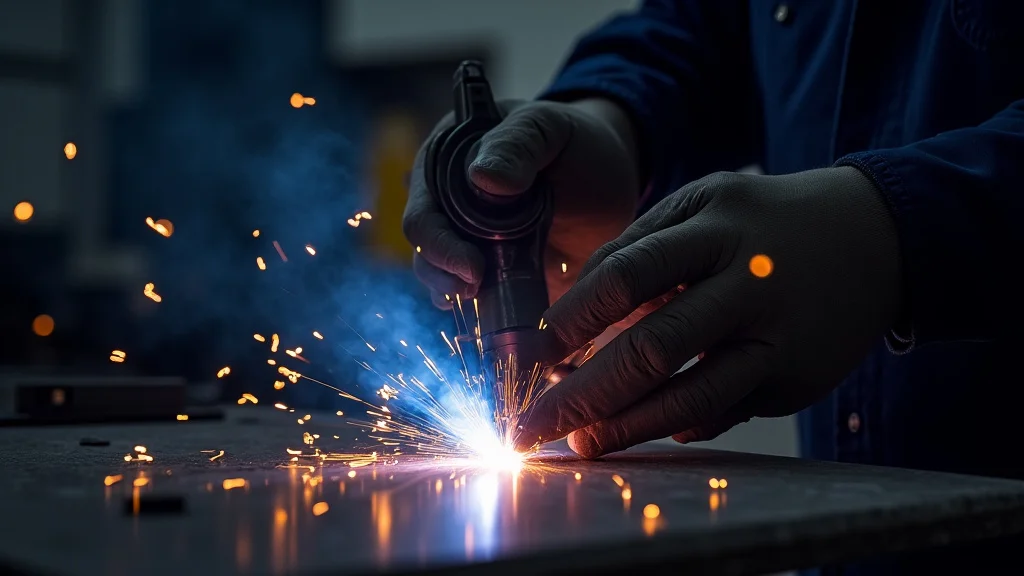
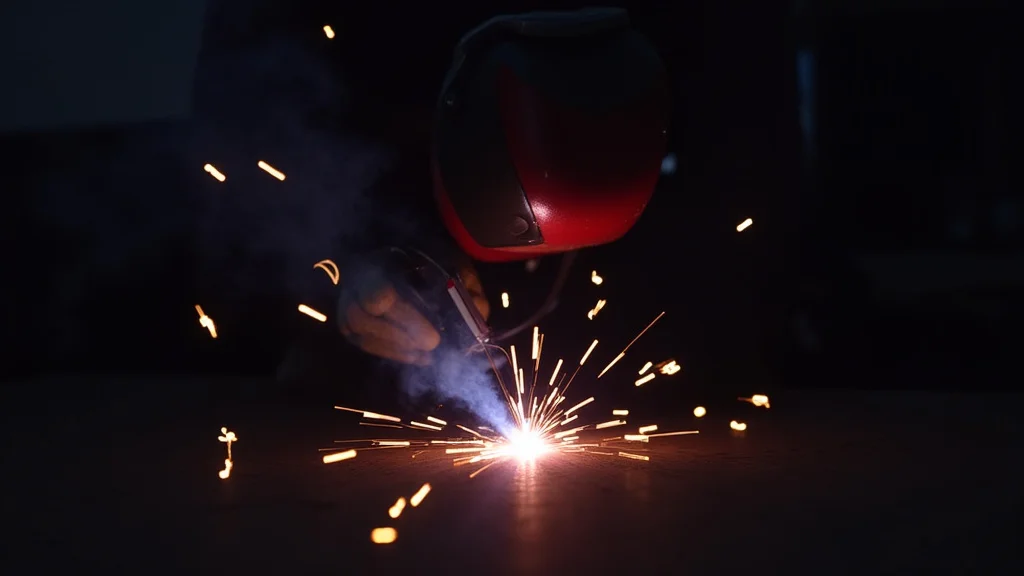
The TIG welding arc is the heart of the process. It’s a steady stream of electricity that melts metal. When this arc is unstable, it’s like trying to paint with a wobbly brush.
It’s hard to make clean, strong welds. For new welders, a shaky arc can be frustrating. It makes the metal splatter and the weld look messy.
Getting a stable arc is key to good TIG welding.
What Causes Arc Instability?
Several things can make your TIG arc act up. Think of them as little problems that add up. We’ll look at the most common ones.
Machine Settings Are Off
Your TIG welding machine has many dials and buttons. If they are set wrong, the arc won’t be stable. For example, if the amperage is too high or too low for the metal you’re welding, the arc can be wild.
Tungsten Electrode Issues
The tungsten electrode is what starts and carries the arc. If it’s not shaped right or is dirty, the arc will suffer. A balled-up or rounded tungsten tip will make a wide, fuzzy arc instead of a sharp, focused one.
Shielding Gas Problems
TIG welding uses a gas, usually Argon, to protect the weld from air. If this gas isn’t flowing right, or if there’s a draft, the arc can become unstable. The gas needs to create a clean shield.
Dirty Workpiece
The metal you’re welding needs to be clean. Oil, rust, paint, or dirt on the surface can cause the arc to sputter and jump around. This contaminates the weld too.
Electrode Distance
How far you hold the tungsten electrode from the metal matters a lot. If it’s too close or too far, the arc won’t be steady. You need to find that sweet spot.
AC Balance and Frequency (for AC machines)
If you’re welding aluminum or magnesium with an AC TIG machine, settings like AC balance and frequency are important. Getting these wrong can lead to an unstable arc, especially with aluminum.
How to Fix Arc Instability in TIG Welding Machines
Now let’s get to the good part: fixing these issues. We’ll go through each problem and show you simple solutions.
Checking and Adjusting Machine Settings
Your TIG welder has settings that directly impact the arc. Here’s what to check:
Amperage
This is the amount of electricity. If it’s too high, the arc will be too hot and jumpy. If it’s too low, it might not even start properly or will be weak.
Always check a welding chart for the right amperage for your metal type and thickness.
Voltage (for some machines)
Some machines have a voltage setting. This affects the arc length. Generally, you want a consistent arc length, and voltage helps control that.
If you have a fixed arc length, you might not adjust this.
High-Frequency Start
This setting helps start the arc without touching the workpiece. Make sure it’s set correctly. If it’s too low, the arc might not start smoothly.
If it’s too high, it might be too much for some jobs.
Post-Flow Gas
This controls how long the shielding gas flows after you stop welding. If it’s too short, the weld puddle can get dirty. This can indirectly affect arc stability on the next weld.
Tungsten Electrode Preparation
The tungsten is crucial. How you prepare it makes a huge difference.
Grinding the Tungsten
For DC welding (steel, stainless steel), you should grind the tungsten to a fine point. Use a dedicated grinder for tungsten to avoid contamination. The point should be sharp and consistent.
Bal lling the Tungsten (for AC)
When welding aluminum or magnesium with AC, the tungsten tip often forms a ball. This is normal. The size of the ball can affect the arc.
A slightly rounded ball is usually fine for AC. Don’t try to keep it sharp like for DC.
Tungsten Type
Different tungsten types work better for different jobs. Pure tungsten is for AC but breaks down easily. Thoriated and Ceriated tungstens are good for DC.
Zirconiated is good for AC and DC. Using the right type helps.
Tungsten Stick-Out
This is how much of the tungsten electrode sticks out from the torch. For most TIG welding, you want a short stick-out, maybe 1/8 to 1/4 inch (3-6 mm). Too much stick-out lets the arc spread out and can cause issues with shielding gas.
Ensuring Proper Gas Flow
Shielding gas is vital. It prevents air from ruining your weld.
Flow Rate
Check your flow rate with a flowmeter. For most TIG welding, 15-25 cubic feet per hour (CFH) is common. Too little gas won’t protect the weld.
Too much gas can cause turbulence, pulling in air.
Leak Checks
Make sure there are no leaks in your gas hose or connections. A small leak means less gas reaches the weld puddle.
Drafts
Avoid welding in windy areas. Even a slight breeze can blow away your shielding gas. Use screens or move your welding station if needed.
Gas Lenses
Using a gas lens in your TIG torch can help create a wider, more stable gas shield. This is especially useful when you need more stick-out or are welding out of position.
Workpiece Preparation
Clean metal welds better.
Cleaning the Surface
Always clean the metal you’re welding. Use a stainless steel brush (dedicated only for welding!) and a good degreaser. Remove paint, oil, rust, and dirt.
Contamination leads to a rough, unstable arc and a weak weld.
Removing Mill Scale
Mill scale, a dark, flaky coating on some metals, must be removed. It causes porosity and arc issues.
Arc Length Control
The distance between the tungsten and the workpiece is key.
Consistent Distance
Try to keep the arc length consistent. A good rule of thumb is to keep the arc length roughly the same as the diameter of your tungsten electrode. If the arc length gets too long, it becomes unstable.
If it’s too short, you risk dipping the tungsten into the puddle.
Practice
Practicing maintaining a consistent arc length is important. It takes feel and practice to get it right.
AC Balance and Frequency for Aluminum
When welding aluminum, these settings are important for arc stability.
AC Balance
This controls how much cleaning action you get versus how much heat goes into the weld. Too much cleaning action can make the arc flutter. Too little can lead to a dull arc.
For most aluminum, a balance of 30-70% is a good starting point.
AC Frequency
This affects the arc’s focus. Higher frequency makes a tighter, more focused arc. Lower frequency makes a wider arc.
For aluminum, a frequency between 100 and 200 Hz is often good for a stable, focused arc.
Troubleshooting Common Issues
Here’s a quick guide to common problems and fixes:
- Arc sputters: Check for dirt on the workpiece, tungsten contamination, or poor gas flow.
- Arc is too wide and fuzzy: Tungsten might be balled up too much (for DC) or not sharp enough (for AC). Check arc length.
- Arc wanders: Look for drafts affecting shielding gas or possible issues with the machine’s output.
- Difficult arc start: Ensure high-frequency start is adequate or that the tungsten is properly sharpened.
- Arc dies suddenly: Could be a loss of shielding gas, a loose connection, or a problem with the machine’s power source.
Frequently Asked Questions
Question: What is the most common reason for arc instability in TIG welding?
Answer: The most common reasons are improper tungsten preparation, poor shielding gas coverage, or contamination on the workpiece.
Question: Should I sharpen my tungsten for welding aluminum?
Answer: No, for aluminum welding with AC, the tungsten tip usually forms a ball, which is normal. Sharpening is for DC welding.
Question: How can I tell if my shielding gas flow is too low?
Answer: You might see discoloration (like straw yellow or blue) on the weld, porosity, or the arc may seem unsteady due to air contamination.
Question: What is a good arc length to maintain?
Answer: A good starting point is to keep the arc length roughly the same as the diameter of your tungsten electrode.
Question: Can a dirty TIG torch cause arc instability?
Answer: Yes, if the torch nozzle or gas lens is dirty or damaged, it can disrupt the shielding gas flow, leading to arc problems.
Final Thoughts
Fixing TIG arc instability is mostly about paying attention to the basics. Cleanliness is key. Make sure your tungsten is prepped correctly for the job.
Check that your shielding gas is flowing well and isn’t being blown away. Adjust your machine settings based on the metal you are welding. With practice, you’ll get a feel for what a stable arc looks and sounds like.
Small adjustments can make a big difference. Keep practicing these steps, and you’ll be making smooth, clean TIG welds in no time!