Are you new to MIG welding and finding that sometimes the wire melts back right into the tip? This can be a really common issue when you’re starting out. It’s frustrating, but don’t worry!
This guide will show you exactly How Do You Prevent Burnback in MIG Wire Feed? We’ll go through it step by step to make it simple. First, we’ll look at what causes it, then we’ll cover the easy fixes.
Key Takeaways
- Burnback happens when the wire melts too far back, sticking to the MIG gun tip.
- Setting the correct wire speed and voltage is the most important step to prevent burnback.
- Checking your ground clamp connection ensures a stable electrical circuit.
- Maintaining the correct stick-out distance keeps the heat from melting the wire prematurely.
- Using the right type of shielding gas helps control the arc and prevent melt-back.
- Keeping your MIG gun consumables clean and in good condition makes a big difference.
What is Burnback in MIG Welding?
Burnback is a common problem for beginners with MIG welding. It’s when the welding wire, instead of melting at the tip of your MIG gun and forming a nice weld puddle, melts too far back. It can end up stuck right inside the contact tip, or even further up the welding gun.
This creates a real mess and stops your welding right in its tracks. You’ll often see it when the wire just keeps feeding but not welding, and then you have to stop, pull the wire out, and try again. It wastes time and materials.
Why Does Burnback Happen?
Several things can cause burnback. Most of the time, it boils down to an imbalance between how fast the wire is feeding and how much power (voltage) is being sent to melt it. If the wire feeds too slowly for the voltage, it has too much time to melt before it hits the workpiece.
This causes it to melt back too far. Another big reason is having too much “stick-out,” which is the length of wire that sticks out past the end of your MIG gun’s nozzle. The longer the stick-out, the more time the wire has to heat up before it starts welding.
Wire Speed and Voltage Mismatch
This is the number one reason for burnback. MIG welding uses separate controls for wire speed and voltage. Think of wire speed as how fast the wire comes out.
Voltage is like the heat or arc intensity. If you have the wire speed too low for the voltage you’re using, the wire will feed slowly. This gives it extra time to melt back into the tip.
It’s like trying to feed string into a hole that’s too small for it – it bunches up. You need these two settings to work together.
Incorrect Stick-Out
Stick-out is the distance from the end of your MIG gun’s contact tip to the very end of the welding wire. For most MIG welding, a stick-out of about 1/4 to 1/2 inch is ideal. If you have too much stick-out, that extra length of wire is exposed to the heat of the arc for longer.
This extra exposure can cause it to melt back prematurely, right into the contact tip. It’s like holding a stick too close to a fire; the end will start to burn before you want it to.
Poor Ground Connection
A solid electrical connection is vital for any welding process. In MIG welding, the ground clamp provides the return path for the electrical current. If your ground clamp is loose, dirty, or not making good contact with the metal you’re welding, the electrical circuit isn’t complete and stable.
This instability can lead to an inconsistent arc and can contribute to burnback issues. It’s like a weak link in a chain; everything starts to falter.
Worn-Out Consumables
The parts of your MIG gun that touch the wire and the arc are called consumables. These include the contact tip, the nozzle, and the diffuser. Over time, the contact tip can become enlarged or damaged from heat and wire feeding through it.
A worn-out tip can cause the wire to feed erratically or lead to inconsistent contact with the wire. A dirty nozzle can also affect the shielding gas flow. These small issues can add up and cause burnback.
Wrong Shielding Gas Settings
Shielding gas protects the molten weld puddle from the air. The type and flow rate of your shielding gas are important. If the gas flow is too low, the arc won’t be properly shielded, and the weld can become unstable, potentially leading to burnback.
Different types of gases are used for different metals and welding situations, and using the wrong one can affect the arc characteristics. The gas also helps to cool the contact tip.
How Do You Prevent Burnback in MIG Wire Feed? Simple Steps
Now let’s get to the good part: fixing it! Preventing burnback is mostly about getting your settings right and doing a few simple checks. We’ll walk through how to set things up so you don’t have to deal with that annoying melt-back problem anymore.
1. Set Your Wire Speed and Voltage Correctly
This is the most critical step. Most MIG welding machines have a chart or guide that suggests starting settings for different wire types and metal thicknesses. Always refer to this.
A good rule of thumb is to start with the recommended settings and then fine-tune. You want the wire to feed smoothly and melt at the tip, forming a nice, consistent arc. If you experience burnback, you likely need to increase your wire speed or decrease your voltage.
If the arc is spattery or sounds “harsh,” you might need to adjust both.
To illustrate the relationship, consider this:
| Problem | Likely Cause | Solution |
|---|---|---|
| Burnback (wire melts too far back into tip) | Wire speed too low OR Voltage too high | Increase wire speed OR Decrease voltage |
| Spattery arc / “Wolf” sound | Wire speed too high OR Voltage too low | Decrease wire speed OR Increase voltage |
Start with the recommended settings from your machine’s chart. Then, make small adjustments. You’re looking for a smooth, consistent sound from the arc, like bacon frying.
If the wire keeps melting back, turn up the wire speed a little. If the arc feels weak or spattery, try turning up the voltage slightly.
2. Check Your Stick-Out Distance
As we discussed, stick-out matters. Aim for a consistent stick-out of about 1/4 to 1/2 inch. This means the tip of the wire should be sticking out from the end of the copper contact tip by that amount.
When you’re welding, try to keep this distance as consistent as possible. If you notice the wire is starting to melt back, pull your MIG gun back a little to shorten the stick-out. When you start a new weld, make sure you have the correct stick-out before you pull the trigger.
3. Ensure a Solid Ground Connection
Before you start welding, always check your ground clamp. Make sure it’s clamped firmly to a clean, bare metal surface. If there’s paint, rust, or dirt on the metal where the clamp is attached, the connection won’t be good.
Use a wire brush to clean the area if needed. A strong ground connection ensures a stable electrical flow, which is key for a consistent arc and preventing burnback.
4. Inspect and Clean Your MIG Gun Consumables
Your MIG gun has parts that wear out. The contact tip is what the welding wire feeds through. If it looks enlarged, damaged, or has melted metal stuck to it, it’s time to
Here’s a quick checklist for your gun:
- Contact Tip: Check for wear, blockage, or damage. Replace if needed.
- Nozzle: Clean off any spatter that might obstruct gas flow.
- Diffuser: Ensure it’s not damaged and is securely in place.
5. Verify Shielding Gas Settings
Make sure your shielding gas cylinder valve is open and that the regulator is set to the correct flow rate. The recommended flow rate is usually printed on your MIG machine or in its manual. For most common gases like CO2 or Argon/CO2 mixes, a flow rate of 15-25 cubic feet per hour (CFH) is typical.
If the gas flow is too low, the arc will be unstable. If you’re unsure, a welding supply store can help you determine the right flow rate for your specific setup.
6. Practice a Consistent Trigger Pull
When you start welding, a consistent trigger pull is important. Avoid “bursting” the trigger. You want to pull it smoothly and hold it down until you’ve finished the weld.
When you release the trigger, the wire feed might continue for a moment longer, which can sometimes lead to burnback if the settings aren’t perfect. Holding the trigger down until the arc is fully extinguished and then releasing smoothly helps manage this.
7. Shut Down Procedure
After you finish a weld, don’t immediately pull the MIG gun away. Let the arc extinguish completely, and then pull the gun away smoothly. Some machines have a “post-flow” setting for the gas, which keeps the gas flowing for a second or two after the arc stops.
This helps protect the cooling weld and the tip. The right shutdown procedure can also help prevent burnback.
Frequently Asked Questions
Question: What is the most common cause of MIG wire burnback?
Answer: The most common cause is a mismatch between wire speed and voltage. If the wire speed is too low for the voltage, the wire melts too far back into the contact tip.
Question: How do I fix burnback if it happens?
Answer: The quickest fix is usually to increase the wire speed. You might also need to decrease the voltage or shorten the stick-out.
Question: Does the type of welding wire affect burnback?
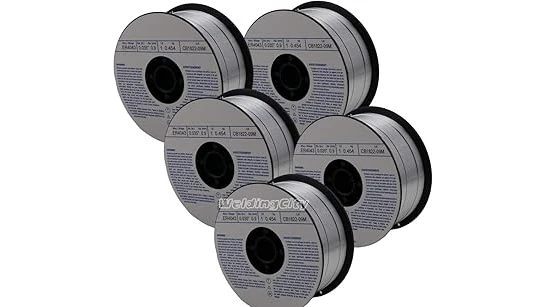
Answer: Yes, different wires can have different melting characteristics. Using the correct wire for your metal and machine is important. Always follow the manufacturer’s recommendations.
Question: How much stick-out is too much?
Answer: Generally, more than 1/2 inch of stick-out can increase the risk of burnback, especially if other settings are not dialed in. Aim for consistency between 1/4 and 1/2 inch.
Question: Can old or dirty contact tips cause burnback?
Answer: Absolutely. A worn or dirty contact tip can cause the wire to feed erratically or not make good electrical contact, which can lead to burnback issues.
Final Thoughts
Dealing with burnback in MIG welding is a normal part of learning. By understanding the main reasons like wire speed, voltage, and stick-out, you can easily prevent it. Always start with recommended settings and make small adjustments.
Keep your equipment clean and your ground connection strong. With a little practice and attention to these simple steps, you’ll be welding smoothly in no time. Get out there and give it a try!