Welding creates fumes that can be bad for your health. Many people new to welding wonder, “How Do You Reduce Welding Fume Exposure Safely?” It can seem like a lot to think about at first, but it’s simpler than you might expect. We’ll walk you through easy steps to help you stay safe.
Let’s get started by looking at what you’ll learn.
Key Takeaways
- Understanding what welding fumes are helps in controlling them.
- Good ventilation is key to clearing out harmful fumes.
- Wearing the right gear protects your breathing.
- Proper welding practices minimize fume production.
- Regular checks and maintenance keep safety equipment working.
- Knowing when to seek professional advice is important.
Understanding Welding Fumes
What Are Welding Fumes?
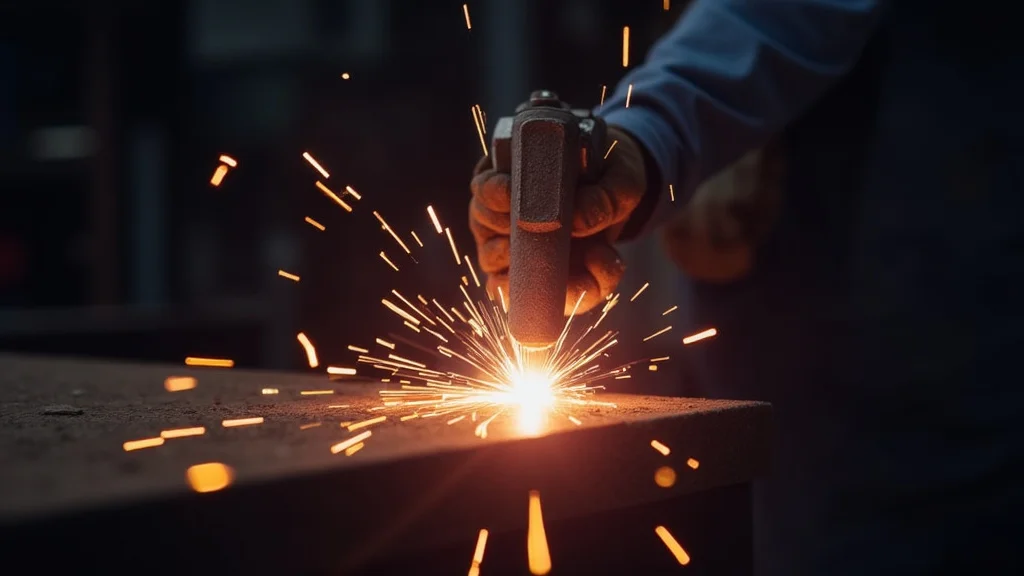
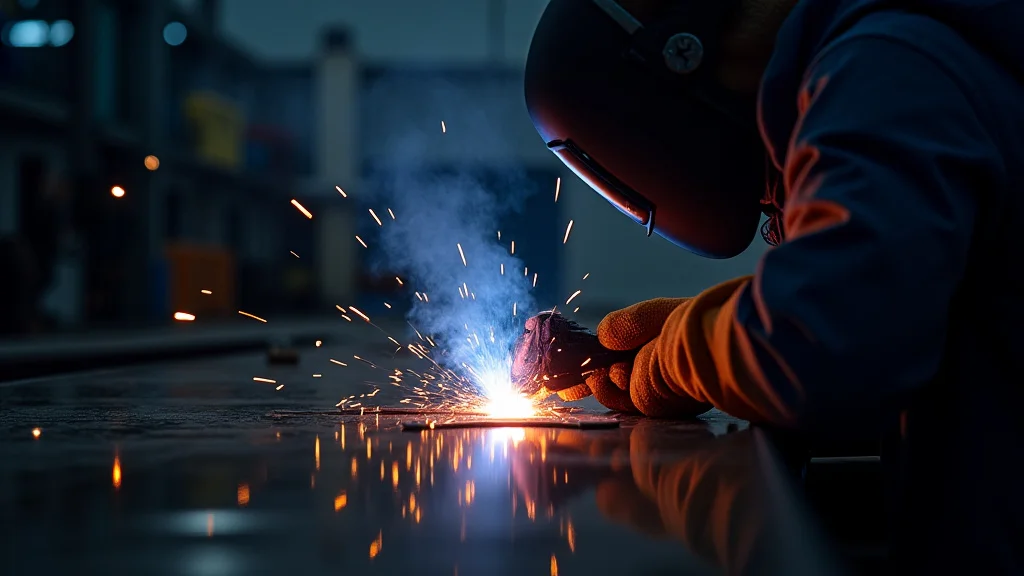
When you weld, you heat metals very hot. This heat makes tiny particles of metal and other materials float into the air. These tiny floating bits are called welding fumes.
They can include metals like iron, manganese, chromium, and nickel, depending on the metal you’re welding.
These fumes are not just dust. They are very small. So small that they can get deep into your lungs.
Breathing them in over time can cause health problems. These problems can range from a stuffy nose and sore throat to more serious lung diseases and even cancer.
Why Are They a Concern?
The main reason welding fumes are a concern is their health impact. The U.S. Occupational Safety and Health Administration (OSHA) has rules about how much fume workers can be exposed to.
This is because even small amounts, when breathed in day after day, can cause lasting damage. Symptoms can include coughing, shortness of breath, headaches, and dizziness. Long-term exposure can lead to serious lung issues like welder’s flash, metal fume fever, and even certain types of cancer.
Different welding processes create different types and amounts of fumes. For example, welding with flux-cored wire often creates more fumes than stick welding. The type of metal being welded also matters.
Welding stainless steel, for instance, produces chromium fumes, which are especially harmful.
How Do You Reduce Welding Fume Exposure Safely?
Ventilation: Your First Line of Defense
The best way to deal with welding fumes is to stop them from building up in the air around you. This is where ventilation comes in. Good ventilation means getting fresh air into your workspace and pushing the dirty air out.
Natural Ventilation
If you’re welding outside or in a very large, open space, you have natural ventilation. The open air helps to spread out any fumes that are created. However, even outdoors, strong winds can sometimes blow fumes back towards you.
So, it’s still important to be aware of wind direction.
Mechanical Ventilation
For indoor welding, or in areas where fumes can get trapped, you need mechanical ventilation. This means using fans and vents.
- Local Exhaust Ventilation (LEV): This is the most effective type. LEV systems capture fumes right at the source, where the welding is happening. Think of a hood or arm that sits over your welding area and sucks the fumes away before you can breathe them in. These systems are designed to be close to the welding arc.
- General Ventilation: This is about moving air through the whole workshop. It helps to reduce the overall level of fumes in the air. Fans blowing fresh air in and stale air out can help. However, general ventilation alone is usually not enough to protect you from high concentrations of fumes.
Setting up LEV systems correctly is important. You need to make sure the airflow is strong enough to pull the fumes away from your breathing zone. The exhaust should also be vented to the outside, away from windows and air intakes.
Respiratory Protection: When Ventilation Isn’t Enough
Sometimes, even with good ventilation, you might still be exposed to too many fumes. That’s when you need to use a respirator. A respirator is a mask that filters the air you breathe.
Types of Respirators
There are different kinds of respirators for welding:
- Disposable Respirators (Dust Masks): These are the simplest and least protective. They are usually only good for a short time and for very low levels of dust or fumes. They are not recommended for most welding operations.
- Half-Mask Respirators: These cover your nose and mouth and have replaceable cartridges. You need to choose the right type of cartridge for welding fumes. For example, you might need a P100 filter. These are better than disposable masks and can be reused.
- Full-Face Respirators: These cover your entire face, including your eyes. They offer a better seal than half-mask respirators and protect your eyes from sparks and fumes. They also use the same replaceable cartridges.
- Powered Air-Purifying Respirators (PAPRs): These have a fan that blows filtered air into a hood or helmet. They are very effective and comfortable for long welding sessions.
- Supplied-Air Respirators: These provide clean air from an external source, like an air tank. They offer the highest level of protection and are often used in highly contaminated areas.
Choosing the right respirator is crucial. It depends on the type of welding, the materials you’re welding, and how good your ventilation is. Always make sure the respirator fits your face properly to create a good seal.
A poorly fitting respirator won’t protect you effectively.
Welding Practices That Minimize Fumes
How you weld can also make a difference in the amount of fumes you create.
- Choose the Right Welding Process: Some welding processes create fewer fumes. For example, Gas Metal Arc Welding (GMAW or MIG) with solid wire often produces fewer fumes than Flux-Cored Arc Welding (FCAW).
- Select Filler Materials Carefully: Different filler metals produce different fumes. Look for filler metals that are designed to produce lower fume levels when possible.
- Proper Technique: Keep your welding arc as short as possible. A shorter arc often means less fume is generated. Also, try to weld at the lowest effective voltage and amperage.
- Clean Your Materials: Make sure the metal you are welding is clean. Dirt, oil, and rust on the metal can create extra fumes when heated.
These practices, combined with good ventilation and respiratory protection, create a strong defense against harmful fumes.
Personal Protective Equipment (PPE) Beyond Respirators
While respirators protect your lungs, other PPE protects the rest of your body and helps reduce overall risk.
- Welding Helmet: A good welding helmet protects your eyes and face from bright light, heat, and sparks. Some helmets have built-in respirators or can be fitted with them.
- Welding Jacket and Gloves: These protect your skin from burns and UV radiation. They also help prevent sparks from getting inside your clothes.
- Safety Glasses: Always wear safety glasses under your welding helmet. They offer an extra layer of protection in case the helmet is lifted or sparks fly in unexpected ways.
Wearing all these items correctly is part of a safe welding routine. It shows you’re taking your safety seriously.
Maintaining Your Equipment
Your safety equipment only works if it’s in good condition.
- Ventilation Systems: Regularly check your exhaust hoods and fans. Make sure they are not blocked and are running at full power. Clean out any dust or metal particles that build up.
- Respirators: Inspect your respirator before each use. Check the straps, the seal, and the condition of the cartridges. Replace cartridges as recommended or when they become clogged.
- Welding Gear: Look for any tears or damage in your welding jacket or gloves. Ensure your helmet is in good working order.
If you’re not sure how to maintain your equipment, check the manufacturer’s instructions. Keeping everything in top shape is a simple but vital step.
Frequently Asked Questions
Question: What is the most important thing to do to reduce welding fume exposure?
Answer: The most important thing is to use effective ventilation to remove fumes at the source. Local exhaust ventilation is highly recommended.
Question: Can I just use a dust mask when welding?
Answer: No, standard dust masks are usually not enough to protect you from welding fumes. You need a respirator with specific cartridges designed for welding fumes.
Question: How do I know if my ventilation is good enough?
Answer: If you can’t see fumes in the air and don’t smell any strong odors, your ventilation might be adequate. However, it’s best to use fume meters or follow OSHA guidelines for specific welding situations.
Question: What types of metals produce the most dangerous fumes?
Answer: Metals like chromium, nickel, manganese, and cadmium can produce very toxic fumes. Welding stainless steel, galvanized steel, and some alloys requires extra care.
Question: How often should I replace respirator cartridges?
Answer: The replacement schedule depends on the type of cartridge, the concentration of fumes, and how long you weld. Always follow the manufacturer’s recommendations or replace them when you notice a change in breathing resistance or smell.
Final Thoughts
Staying safe while welding is all about being prepared and using the right tools. You’ve learned that ventilation is your primary tool to clear the air. Respirators are your backup for breathing clean air.
Simple welding habits, like keeping your arc short, also help cut down on fumes. Taking care of your safety gear, like checking your fans and mask filters, keeps them working well. These steps together make a big difference in how safe you are.
By using these methods, you can weld with more confidence and peace of mind. Remember to always put your health first.