Getting the TIG arc just right can feel tricky at first, especially when you’re working with different kinds of metal. You want that perfect, smooth puddle, but sometimes it sputters or just doesn’t melt right. Don’t worry, it’s something everyone learns.
We’ll break down How to Properly Adjust TIG Arc for Different Metals in a simple way, step by step. Let’s get your TIG welds looking great and make welding easier for you.
Key Takeaways
- Understanding how metal type affects TIG arc settings is important.
- Different metals need different amperage and tungsten electrode choices.
- Gas flow and cup size play a role in arc stability and weld quality.
- Practice is key to fine-tuning your TIG arc settings for each metal.
- Learn how to read the weld puddle to make real-time adjustments.
- Proper setup leads to cleaner, stronger, and more attractive TIG welds.
Understanding TIG Arc Basics
What is the TIG Arc?
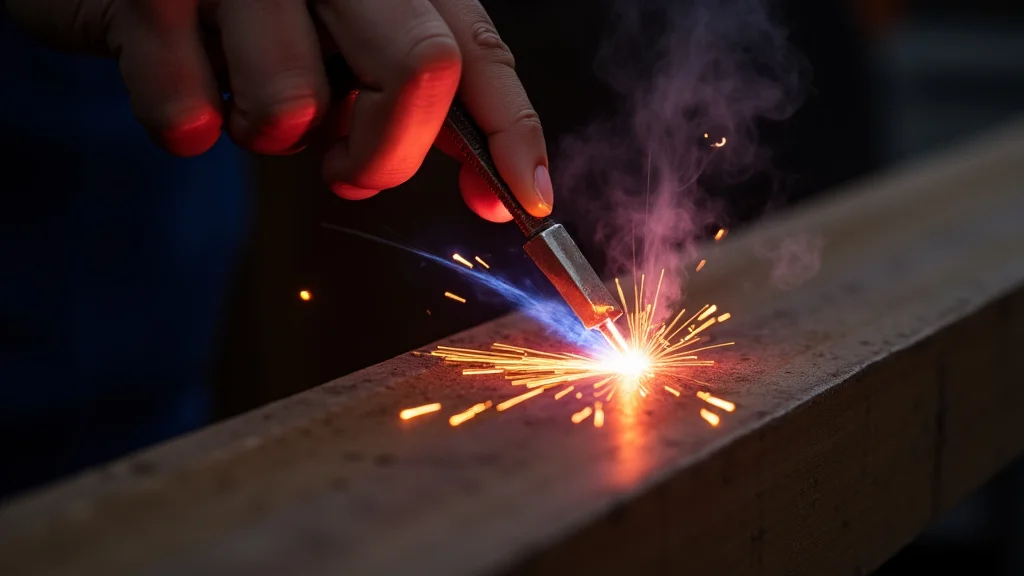
The TIG arc is like a focused beam of heat. It’s created when electricity jumps from a tungsten electrode to your metal. This heat melts the metal, letting you join pieces together.
It’s a very clean way to weld, giving you lots of control.
This arc needs to be just right for the metal you’re welding. Too hot, and you’ll burn through. Too cool, and the metal won’t melt properly, leading to weak joints.
Why Metal Type Matters
Different metals have different properties. Some are better at conducting heat than others. Some melt at lower temperatures, while others need much more heat to flow.
For example, thin aluminum needs a different approach than thick steel. Stainless steel also behaves differently than mild steel. Knowing these differences helps you set your TIG welder correctly.
Adjusting Amperage for Different Metals
Amperage: The Heat Control
Amperage is the amount of electrical current. It’s the main way you control how much heat your TIG arc puts out. More amperage means more heat.
This is the most important setting to get right for each metal. You need enough heat to melt the metal cleanly, but not so much that you cause problems.
Amperage for Common Metals
Here’s a general guide to help you get started. Remember, these are starting points, and practice will help you fine-tune them.
Steel (Mild Steel and Stainless Steel)
Steel is a good place to start for many beginners. It’s forgiving.
- Thin Steel (18-20 gauge): Start around 30-60 amps.
- Medium Steel (14-16 gauge): Aim for 60-100 amps.
- Thick Steel (1/8 inch and up): You’ll likely need 100-175 amps or more.
Stainless steel can be a little trickier than mild steel. It doesn’t conduct heat as well, so it can get hot spots. Sometimes you might run it at a slightly lower amperage than mild steel for similar thickness to avoid burning through.
Aluminum
Aluminum is a different beast. It conducts heat very well, which is good, but it also oxidizes quickly, forming a tough oxide layer that needs to be broken through.
- Thin Aluminum (18-20 gauge): Around 50-80 amps.
- Medium Aluminum (1/8 inch): Aim for 80-130 amps.
- Thicker Aluminum: You might need 130 amps and above, sometimes much higher for very thick sections.
When welding aluminum with AC (Alternating Current), the cleaning action of the arc helps break down the oxide. You’ll often use a higher percentage of AC balance for better cleaning.
Other Metals (Titanium, Copper, etc.)
These metals are less common for beginners but have unique needs.
- Titanium: Needs to be welded in a shielding gas environment to prevent contamination. Amperage is often moderate, similar to steel, but the focus is on purity and preventing oxidation.
- Copper: A very good heat conductor, so it needs high amperage for its thickness and can melt very quickly.
Tungsten Electrode Selection
Choosing the Right Tungsten
The tungsten electrode is what carries the welding current to the arc. The type of tungsten you use affects arc stability and how well it handles the heat.
Tungsten electrodes come in different compositions, indicated by a colored band on the end. For AC welding (like aluminum), pure tungsten or zirconiated tungsten are often used. For DC welding (like steel), thoriated or ceriated tungsten are common choices.
Tungsten Size and Amperage
The diameter of your tungsten electrode should match the amperage you plan to use.
General Guidelines:
- 0.040 inch (1.0 mm): Good for low amperage, 10-50 amps.
- 1/16 inch (1.6 mm): Versatile, works well from 30-150 amps.
- 3/32 inch (2.4 mm): For higher amperages, 100-250 amps.
- 1/8 inch (3.2 mm): For very high amperages, 200+ amps.
Using a tungsten that’s too small for your amperage will cause it to overheat, melt, and contaminate your weld. Too large a tungsten for low amperage can make it hard to establish a stable arc.
Tungsten Grinding
How you grind your tungsten also matters. For DC welding, you’ll typically grind it to a sharp point. This helps create a focused arc.
For AC welding, especially with aluminum, you’ll usually grind the tungsten to a slightly rounded or blunted tip. This helps the arc spread out and become more stable, preventing it from “wandering” and ensuring a consistent weld puddle.
Gas Flow and Shielding
Why Shielding Gas is Key
Shielding gas protects the molten weld pool and the hot tungsten electrode from the air. Air contains oxygen and nitrogen, which can contaminate the weld, making it brittle and weak.
The most common shielding gas for TIG welding steel and stainless steel is 100% Argon. For aluminum, 100% Argon is also the standard.
Gas Flow Rate
The flow rate of your shielding gas is set using a flowmeter on your Argon tank. Too little gas, and you risk contamination. Too much gas can cause turbulence, pulling air into the weld area.
A good starting point for most TIG welding is 10-20 cubic feet per hour (CFH). If you’re welding outdoors or in a drafty area, you might need a higher flow rate or a gas lens to help keep the gas in place.
Cup Size and Gas Coverage
The size of the ceramic cup on your TIG torch also influences gas coverage. Larger cups provide a wider coverage area for the shielding gas, which is helpful for larger welds or when you need more protection.
Using a gas lens (a special screen inside the cup) helps direct the gas in a more laminar flow, providing better coverage with less turbulence. This is particularly useful when welding aluminum or when working with higher gas flow rates.
AC vs. DC Welding
DC (Direct Current)
DC is generally used for welding ferrous metals like mild steel, stainless steel, and chrome-moly. It provides a very focused heat and is efficient for these materials.
When using DC, you’ll often set your machine to DCEN (Direct Current Electrode Negative), also known as straight polarity. This sends the electrons from the electrode to the workpiece, concentrating the heat on the metal.
AC (Alternating Current)
AC is almost exclusively used for welding aluminum and magnesium. It has two main benefits for these metals:
- Cleaning Action: The alternating current helps break up the aluminum oxide layer that forms on the surface.
- Heat Control: You can adjust the balance of AC to control how much heat goes into the tungsten versus the workpiece.
AC has two main settings: Frequency and Balance.
- Frequency: Controls how focused or wide the arc is. Higher frequencies (e.g., 100-200 Hz) create a tighter, more focused arc. Lower frequencies (e.g., 50-60 Hz) create a wider, softer arc.
- Balance: Controls the ratio of cleaning to penetration. A higher percentage of electrode positive (EP) provides more cleaning but less penetration. A higher percentage of electrode negative (EN) provides more penetration but less cleaning. For aluminum, a common starting point is around 60-70% EN.
Reading the Weld Puddle
The Key to Adjustments
The weld puddle is your best friend. It tells you if your settings are right. You need to learn to watch it closely.
A good puddle will look like a shimmering, wet surface. It should flow smoothly and merge with the base metal without digging in too much or looking like it’s struggling to melt.
What a Good Puddle Looks Like
When you have the right settings:
- The puddle is about the size of a dime or a little larger.
- It flows easily and smoothly.
- It spreads out evenly as you move.
- It fuses well with the edges of the joint.
Signs of Incorrect Settings
If your puddle is too hot (too much amperage):
- It will look very fluid and runny.
- It might “dig” a trench into the metal.
- You could get a “burn-through” where the metal melts completely.
- Sparks might fly excessively.
If your puddle is too cold (not enough amperage):
- It will look lumpy and not flow well.
- It might appear “sticky” and not merge with the base metal.
- You might see little balls of metal instead of a smooth pool.
- The weld will be weak and not fused properly.
Putting It All Together: Practice and Fine-Tuning
Practice on Scrap Metal
The best way to learn how to properly adjust TIG arc for different metals is to practice. Get some scrap pieces of the metal you want to weld.
Start with the suggested settings for amperage and gas. Make a few beads. Watch your puddle.
See how it behaves.
Making Small Adjustments
If the puddle is too hot, turn down the amperage a little. If it’s too cold, turn it up. Make small changes, one at a time.
Pay attention to the sound of the arc. A good arc often has a steady, consistent hum. If it sputters or crackles, your settings might be off, or you might have contamination.
Consistency is Key
As you get better, you’ll start to recognize the “sweet spot” for different metals and thicknesses. This comes with experience. Don’t get discouraged if your first few welds aren’t perfect.
Frequently Asked Questions
Question: What is the most common mistake beginners make with TIG amperage?
Answer: Beginners often use too much amperage. This leads to burning through thin metal or creating a puddle that’s too large and hard to control.
Question: Do I need a special gas for TIG welding aluminum?
Answer: No, 100% Argon is the standard and most effective shielding gas for TIG welding aluminum.
Question: How do I know if my tungsten electrode is the right size?
Answer: The tungsten size should be appropriate for the amperage you’re using. Too small a tungsten will overheat and contaminate your weld. Consult charts for recommended sizes based on amperage.
Question: What does AC balance do when welding aluminum?
Answer: AC balance controls the ratio of cleaning action on the aluminum surface versus how deeply the arc penetrates the metal. More cleaning means less penetration.
Question: How can I tell if I have enough shielding gas?
Answer: You’ll see discoloration (like a straw or rainbow color) on the metal around your weld, or the weld itself will look rough and pitted. A properly shielded weld should be bright and shiny.
Final Thoughts
Learning how to properly adjust TIG arc for different metals is about practice and observation. Start with recommended settings for amperage and gas flow for steel and aluminum. Watch how your weld puddle behaves—is it flowing smoothly or is it too hot or too cold?
Select the right size and type of tungsten electrode for your job. Remember that AC is for aluminum and DC is for steel. Small adjustments to amperage and gas can make a big difference.
Keep welding on scrap pieces, and you’ll quickly get a feel for what works best. You’ve got this!