If you’re new to TIG welding, you might notice your weld arc flickering a lot. It can be tricky to figure out what’s causing it. Don’t worry, this is super common when you’re just starting out.
We’ll break down Why Is My TIG Weld Arc Flickering Frequently? with simple steps. Let’s see what’s going on and how to fix it so you can get smooth welds.
Key Takeaways
- You’ll learn the main reasons your TIG arc flickers.
- We’ll explain how to check your equipment for problems.
- You’ll discover how gas flow affects arc stability.
- Simple adjustments to your technique will be covered.
- We’ll show you how different materials can impact the arc.
- You’ll gain confidence in fixing a flickering arc.
Understanding the TIG Weld Arc
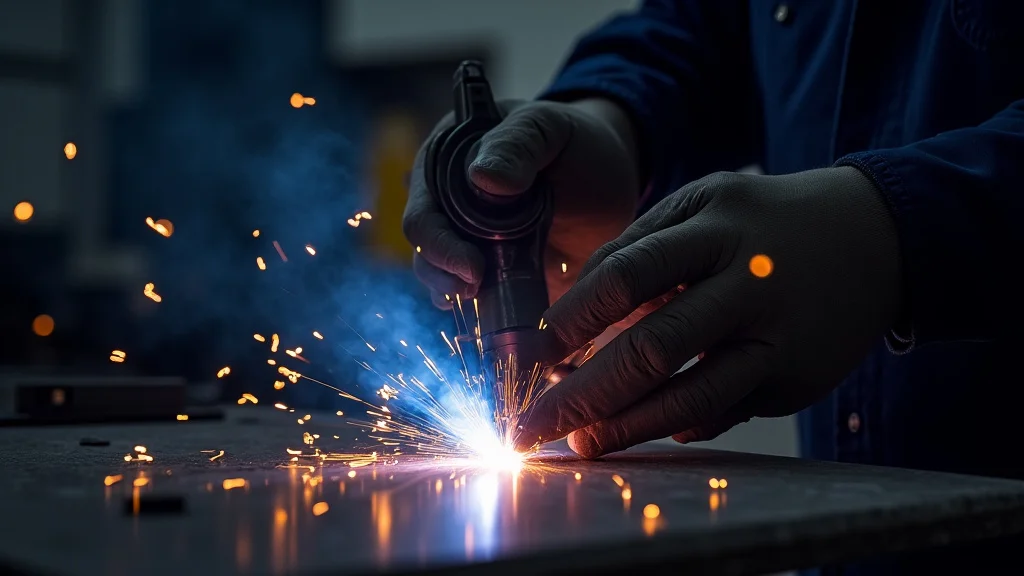
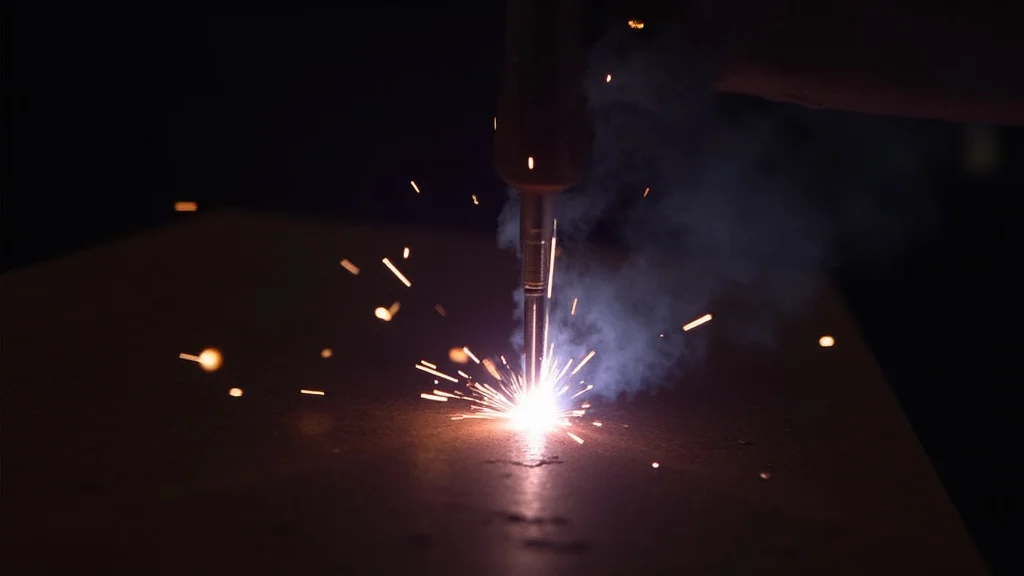
The TIG weld arc is the bright, hot stream of electricity that melts your metal. It’s like a tiny lightning bolt. When it’s stable, it’s a steady, bright blue-white color.
This steady arc lets you control the weld pool and create strong, clean joints. A flickering arc means something is interrupting that steady flow of electricity and heat. This can make your weld pool jump around and lead to weak or messy welds.
Common Causes of a Flickering TIG Arc
Many things can make your TIG arc flicker. Most of them are easy to fix once you know what to look for. Think of it like troubleshooting a light bulb – sometimes it’s just loose!
1. Power Source Issues
Your welding machine is the heart of the operation. If it’s not working right, the arc will suffer.
Machine Settings
Settings that are too low or too high can cause problems. If your amperage is too low, the arc might struggle to stay lit. If it’s too high, it might be too wild.
Always start with recommended settings for your material thickness and type.
Dirty Connections
Loose or dirty connections anywhere between the machine and your torch can cause the electricity to jump. This causes a flicker. Check your work clamp, the ground clamp, and the connections to the torch itself.
A quick clean with a wire brush can make a big difference.
Internal Machine Problems
Less common, but sometimes the machine itself might have an issue. If you’ve checked everything else and the arc still flickers, it might be time to have your machine looked at by a professional.
2. Gas Flow Problems
The shielding gas, usually Argon, is super important. It protects the hot metal and the arc from the air.
Incorrect Gas Flow Rate
If you don’t have enough gas, the air can get in and disrupt the arc. This makes it flicker and can also lead to weld defects like porosity. If you have too much gas, it can actually blow the arc around and create turbulence.
You should have a steady, gentle flow of gas.
A good starting point for gas flow is around 10-25 cubic feet per hour (CFH), depending on your material and shielding gas. Always use a flow meter on your regulator to check this. Don’t just guess!
Leaky Connections
If your gas hose has a leak, or the connections at the bottle, regulator, or torch are loose, you’ll lose gas pressure. This means less shielding gas gets to your weld. You might hear a hissing sound if there’s a leak.
Wrong Type of Gas
For most TIG welding on steel, aluminum, and stainless steel, pure Argon is the standard. Using the wrong gas, or a mix that’s not right for the job, can cause arc instability. Always double-check your gas bottle label.
3. Torch and Electrode Issues
What you’re holding in your hand is key to directing the arc.
Tungsten Electrode Problems
The tungsten electrode is what the electricity jumps from. If it’s not prepped right, it will cause issues.
- Dull or Contaminated Tungsten: A tungsten that’s dull, balled up, or has metal touching it won’t create a stable arc. It should be sharpened to a fine point (for DC welding) or slightly blunted (for AC welding on aluminum). Keep your tungsten clean!
- Wrong Tungsten Type: Different metals require different types of tungsten electrodes. Pure tungsten is for AC, and thoriated, ceriated, or lanthanated are common for DC. Using the wrong one can lead to a poor arc.
- Tungsten Stick-Out: How much of the tungsten sticks out of the torch cup matters. Too much stick-out can lead to arc wander and contamination. A common rule is about 1/4 to 1/2 inch.
Incorrect Torch Angle
The angle you hold your torch at can affect the arc. If you’re dragging the torch too much or pushing it too hard, it can disrupt the gas shield and cause the arc to flicker. Try to keep a consistent angle.
Worn Out Torch Consumables
The collet, collet body, and ceramic cup all help shape and direct the gas flow. If these are worn, cracked, or dirty, they can cause gas turbulence and arc instability. Make sure they are the correct size for your tungsten and are clean.
4. Grounding Issues
A good ground connection is vital for a stable electrical circuit.
Poor Ground Clamp Contact
The ground clamp needs to make a solid connection to the metal you are welding. If it’s loose, dirty, or on painted/coated metal, the connection is weak. This can cause the arc to jump back and forth as it tries to find a better path to complete the circuit.
Long or Damaged Ground Cables
Longer ground cables can have more resistance. Damaged cables with exposed wires are also a hazard and can cause poor conductivity. Always use cables that are in good condition.
5. Material and Contamination
What you’re welding on plays a big role.
Dirty Base Metal
If the metal you’re welding has oil, grease, rust, paint, or other contaminants, it can cause the arc to sputter and flicker. These contaminants burn off unevenly, affecting the arc and the weld pool. Always clean your metal thoroughly before welding.
Material Type
Some metals are just harder to weld than others. For example, welding on thin aluminum can be challenging because it heats up so fast. This rapid heating and cooling can sometimes make the arc appear less stable.
6. Technique and Movement
How you move the torch and add filler metal matters.
Inconsistent Travel Speed
Moving the torch too fast or too slow will change how the heat is applied. This can make the arc seem unstable. Try to maintain a steady speed that allows the weld pool to form correctly.
Adding Filler Metal Incorrectly
If you’re adding filler metal, dipping it into the weld pool too aggressively or too far away can disrupt the arc. Keep your filler rod feeding smoothly into the leading edge of the weld pool.
Not Establishing a Good Weld Pool
Before you can even think about filler metal, you need a good, molten weld pool. If you’re not letting the metal melt properly, the arc might flicker as it struggles to create that pool.
Troubleshooting Steps for a Flickering Arc
Let’s go through what you can do step-by-step to fix a flickering TIG arc.
Step 1: Check Your Power Source
Start with the machine itself. Make sure it’s set to the correct amperage for the material you’re welding. Check your owner’s manual for recommendations.
Then, physically inspect all the cables and connections. Are they tight? Are they clean?
Brush off any dirt or corrosion.
Step 2: Inspect Your Gas System
Look at your gas cylinder. Is there enough gas left? Check the regulator and flow meter.
Turn on the gas and listen for leaks. If you can, use a flow meter to set the gas to the correct CFH. A good starting point is 15-20 CFH.
Step 3: Examine Your Torch and Tungsten
Take a look at your tungsten electrode. Is it clean? Is it properly sharpened (for DC) or blunted (for AC)?
Is the correct type of tungsten being used? Make sure your tungsten isn’t sticking out too far from the cup. Check that your collet, collet body, and cup are the right size and are clean.
Step 4: Verify Your Ground Connection
Ensure your ground clamp is attached to clean, bare metal. It needs to be snug. If you’re welding on something with a coating, grind a small area to get to bare metal.
If your ground cable looks damaged, consider replacing it.
Step 5: Clean Your Base Metal
Before you strike an arc, clean the metal you’re welding. Use a stainless steel wire brush or acetone to remove any oil, dirt, or rust. A clean surface makes for a much more stable arc and better welds.
Step 6: Practice Your Technique
Once everything else is checked, focus on your welding. Try to maintain a consistent torch angle and travel speed. Feed your filler rod smoothly.
Focus on creating a good, consistent weld pool. Practice on scrap pieces of metal to get a feel for it.
When to Consider Different Welding Processes
While TIG welding offers the most control and precision, sometimes a flickering arc might signal that TIG isn’t the best choice for your specific project or skill level right now. If you’re finding it consistently difficult to achieve a stable arc, you might explore other welding methods that are more forgiving for beginners, such as:
MIG Welding (GMAW)
MIG welding is often considered easier for beginners. It uses a continuously feeding wire electrode and a shielding gas. The arc is generally more stable and forgiving of slight movements.
If you’re looking for faster production or are struggling with TIG stability, MIG could be a good alternative.
Stick Welding (SMAW)
Stick welding uses a flux-coated electrode that burns to create the arc and also provides shielding gas and flux. While it can be a bit messier than TIG, it’s very versatile and can be used outdoors in windy conditions. The arc can sometimes be more forgiving of surface imperfections compared to TIG.
However, if your goal is the superior finish and control that TIG provides, persisting with troubleshooting your flickering arc is the best path. The satisfaction of mastering TIG welding is immense.
Frequently Asked Questions
Question: What is the most common reason for a TIG arc to flicker?
Answer: The most common reasons are dirty connections, incorrect gas flow, or issues with the tungsten electrode’s condition or preparation.
Question: Can a faulty ground clamp cause an arc to flicker?
Answer: Yes, a poor ground connection means the electrical circuit isn’t complete properly. This forces the arc to jump and makes it unstable.
Question: How does gas flow affect the TIG arc?
Answer: The gas shields the arc and weld pool. If the flow is too low, air gets in, causing flickering. Too much gas can blow the arc around, also causing instability.
Question: Should I use a pointed or rounded tungsten for TIG welding?
Answer: For DC welding on steel and stainless steel, a pointed tungsten electrode is best for a stable, focused arc. For AC welding on aluminum, a slightly rounded or balled end is often used.
Question: Is it normal for a TIG arc to flicker sometimes?
Answer: While a perfectly stable arc is the goal, some minor flickering can occur, especially for beginners. However, frequent or severe flickering usually indicates a problem that needs fixing.
Final Thoughts
Fixing a flickering TIG arc often comes down to checking the basics. You’ve learned how power, gas, torch setup, and even how clean your metal is can all play a part. By following simple checks for connections, gas flow, and tungsten preparation, you can make your arc much more stable.
Don’t get discouraged; practice and paying attention to these details will lead to smoother, better welds. You’ve got this!