Welding is a fantastic skill, but it comes with some risks. A big one is electric shock. Many people starting out wonder, How Do You Protect Yourself from Electric Shock While Welding? It can seem a little scary at first, but it’s actually quite simple once you know the steps.
We’ll walk you through everything you need to know, making it easy to stay safe and weld with confidence.
Key Takeaways
- Understand that welding uses electricity and poses an electric shock risk.
- Learn about the main sources of electrical hazards during welding.
- Discover how proper personal protective equipment (PPE) is essential for safety.
- Find out how to prepare your work area to minimize electrical dangers.
- Understand the importance of maintaining your welding equipment.
- Recognize safe practices for handling welding cables and connections.
Understanding the Risks of Electric Shock in Welding
Welding involves using electricity to create a hot arc that melts metal. This electricity is powerful, and if it finds a path through your body, it can cause a shock. An electric shock can range from a mild tingle to something very serious, even deadly.
It’s important to know where this electricity comes from and how it can get to you.
The Welding Circuit Explained
When you weld, you create a circuit. The welding machine sends electricity through a welding cable to the electrode holder. The electrode then touches the metal you’re welding.
This completes the circuit, allowing the current to flow and create the arc. For the electricity to flow, it needs a complete path. This path usually goes from the welding machine, through the electrode, to the workpiece, and back to the welding machine through a ground clamp.
The danger arises when your body accidentally becomes part of this electrical circuit. If you touch a live part of the welding circuit and are also touching something that is grounded, electricity will flow through you. This is why understanding the circuit is the first step to protecting yourself.
Common Sources of Electrical Hazards
There are several places where you might encounter electrical hazards while welding. Knowing these spots helps you avoid them.
The Welding Machine
Your welding machine itself contains electrical components. While most machines are designed with safety in mind, faulty wiring or damaged insulation can expose you to live parts. Always make sure your machine is in good working order and properly grounded.
Welding Cables and Connectors
The cables that carry electricity from the machine to the electrode holder and the ground clamp are common sources of concern. If these cables are frayed, cut, or have damaged insulation, the electricity can leak out. Loose or damaged connectors can also create sparks or expose live wires.
The Electrode Holder and Electrode
The electrode holder, also called a gun or torch, is what you hold to guide the welding rod or wire. The electrode itself is also energized. You should never touch the metal tip of the electrode or the holder when the machine is on, unless you are actively welding.
The Workpiece and Ground Clamp
The metal you are welding, known as the workpiece, becomes energized when the ground clamp is attached. If the ground clamp is loose or the connection to the metal is poor, the current might seek other paths. Touching the workpiece without proper protection can also be risky.
Wet or Damp Conditions
Water is an excellent conductor of electricity. Welding in wet environments, or if your clothes or skin are wet, greatly increases the risk of electric shock. This is because the electricity can flow more easily through the water and your body.
Essential Personal Protective Equipment (PPE)
Your personal protective equipment is your first line of defense against electric shock. Wearing the right gear creates a barrier between you and the electrical hazards.
Welding Gloves
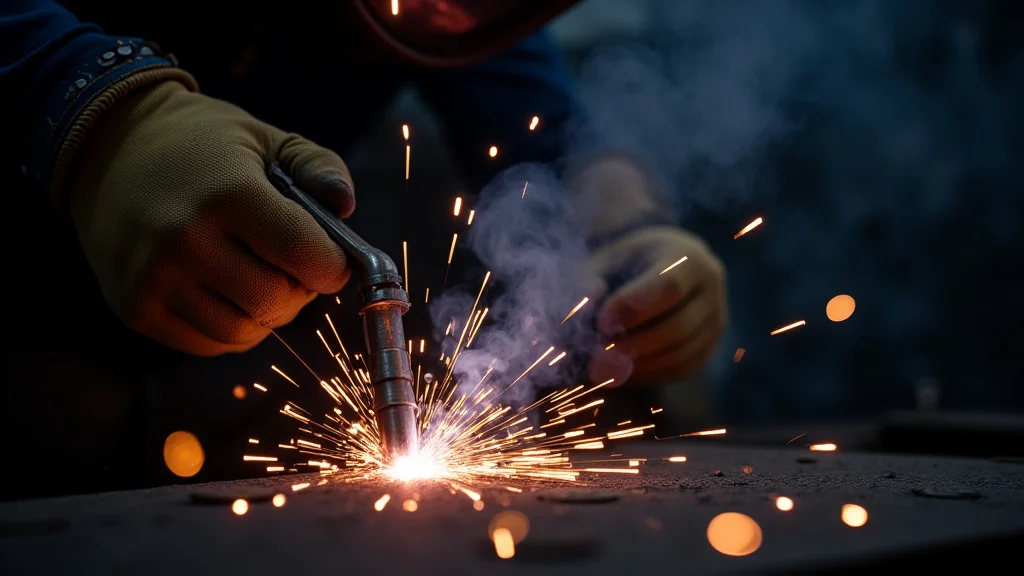
Good quality welding gloves are made of thick leather. This leather acts as an insulator, protecting your hands from heat and electric shock. Always ensure your gloves are dry and have no holes or tears.
Insulated Footwear
Your boots should have thick rubber soles. These rubber soles help to insulate you from the ground. Avoid wearing sneakers or shoes with thin soles, especially in damp areas.
Dry, Non-Conductive Clothing
Wear clean, dry, and non-flammable clothing. Natural fibers like cotton are generally preferred over synthetic materials, which can melt. Make sure your clothing is buttoned up and covers your arms and legs completely.
Avoid wearing anything with metal zippers or buttons that could touch your skin and create a conductive path.
Welding Helmet and Safety Glasses
While primarily for eye and face protection from arc flash and sparks, a welding helmet also provides a barrier. Always wear safety glasses underneath your helmet for added protection, even when the helmet is up.
Preparing Your Work Area Safely
The environment where you weld plays a big role in your safety. A few simple steps can make a big difference.
Keep the Area Dry
If possible, avoid welding in wet conditions or in areas where water might collect. If you must weld in a damp area, use dry boards or rubber mats to stand on. Ensure there are no puddles around your welding setup.
Clear Away Flammables
While this is mainly for fire prevention, it also helps to keep your workspace tidy and reduce tripping hazards. A cluttered area can lead to accidents, including touching exposed wires.
Secure Cables
Drape welding cables neatly and avoid leaving them where you might trip over them or where they can get damaged. Ensure they are not running through water or in contact with sharp metal objects.
Maintaining Your Welding Equipment
Regular checks of your welding equipment are crucial for preventing electrical problems.
Inspect Cables Regularly
Before each use, check your welding cables for any signs of wear and tear. Look for cuts, abrasions, or exposed wires. If you find any damage, do not use the cable.
Get it repaired or replaced by a qualified person.
Check Connectors
Make sure all connectors, both for the electrode holder and the ground clamp, are clean and secure. Loose or corroded connections can cause resistance, heat, and poor welding performance, but also electrical hazards.
Ensure Proper Grounding
Your welding machine must be properly grounded according to the manufacturer’s instructions. A good ground connection is essential for safe operation and good weld quality. The ground clamp should be attached directly to the workpiece or a clean, metal surface connected to the workpiece.
Safe Practices for Handling Cables and Connections
How you handle your welding cables can prevent many potential shocks.
Connect and Disconnect Safely
Always turn off the welding machine before connecting or disconnecting cables. When connecting the ground clamp, ensure it makes solid contact with clean metal. When disconnecting, pull on the clamp itself, not the cable.
Avoid Contact with Live Parts
Never touch the electrode or the electrode holder when the welding machine is on, unless you are in the welding position with your helmet down. Keep your hands and body away from any part of the welding circuit that might be energized.
Use Insulated Tools
When making adjustments to your welding setup, use insulated tools. This adds an extra layer of protection.
Don’t Stand in Water
As mentioned before, water is a huge risk factor. Make sure you have a dry place to stand. If you’re working on a metal structure, ensure you are insulated from it if there’s any chance of dampness.
Specific Scenarios and Precautions
Certain welding situations require extra care.
Welding on Metal Structures
If you are welding on a metal scaffolding, ship hull, or other large metal structure, be extra cautious. These structures are often excellent conductors. Ensure you have a good ground connection that is secure and that you are insulated from the structure itself if there is any moisture present.
Working in Confined Spaces
Confined spaces can be more hazardous. Ventilation is key, but so is managing your cables. Ensure cables are routed carefully to avoid snagging and that you have a clear escape path.
Also, be aware of any dampness that might collect in these areas.
Using Extension Cords
If you need to use an extension cord for your welding machine, make sure it is heavy-duty and rated for the amperage of your machine. Always use cords that are in good condition, with no damage to the insulation.
What to Do If You Experience an Electric Shock
Even with precautions, accidents can happen. Knowing what to do is important.
If someone is receiving an electric shock, do NOT touch them directly. The first step is to shut off the power source immediately if possible. If you cannot shut off the power, use a dry, non-conductive object (like a wooden stick or rubber mat) to push the person away from the electrical source or to separate them from the live wire.
Once the person is free from the electrical source, check for breathing and pulse. If they are not breathing or do not have a pulse, begin CPR if you are trained to do so. Call for emergency medical help immediately.
Frequently Asked Questions
Question: Is welding dangerous if I’m not touching anything metal?
Answer: You can still get an electric shock if you are not directly touching metal. The arc itself generates heat and light. However, the primary risk for shock comes from completing an electrical circuit through your body, which usually involves touching energized parts or the workpiece.
Question: Can I weld if my hands are a little sweaty?
Answer: Sweaty hands can increase your risk. Moisture on your skin can make it easier for electricity to pass through you. It’s best to dry your hands thoroughly before welding and wear dry gloves.
Question: How often should I check my welding cables?
Answer: You should inspect your welding cables for any damage before each use. A quick visual check can catch small issues before they become big problems.
Question: Is it safe to weld in the rain?
Answer: No, it is never safe to weld in the rain or in very damp conditions. Water conducts electricity and greatly increases the risk of a severe or fatal electric shock.
Question: What should I do if my welding cable is damaged?
Answer: If you notice any damage to your welding cable, such as cuts or frayed wires, do not use it. You should have it repaired by a qualified technician or replace it entirely.
Final Thoughts
Staying safe while welding is all about being aware of the risks and taking simple, clear steps to protect yourself. You’ve learned that electric shock is a real concern, but it’s preventable. By using the right personal protective gear, like dry gloves and insulated boots, and by making sure your work area is dry and your equipment is in good condition, you create a strong barrier.
Keeping your cables in good shape and properly connected is also key. Always remember to turn off the power before making adjustments. With this knowledge, you can weld with much more confidence.