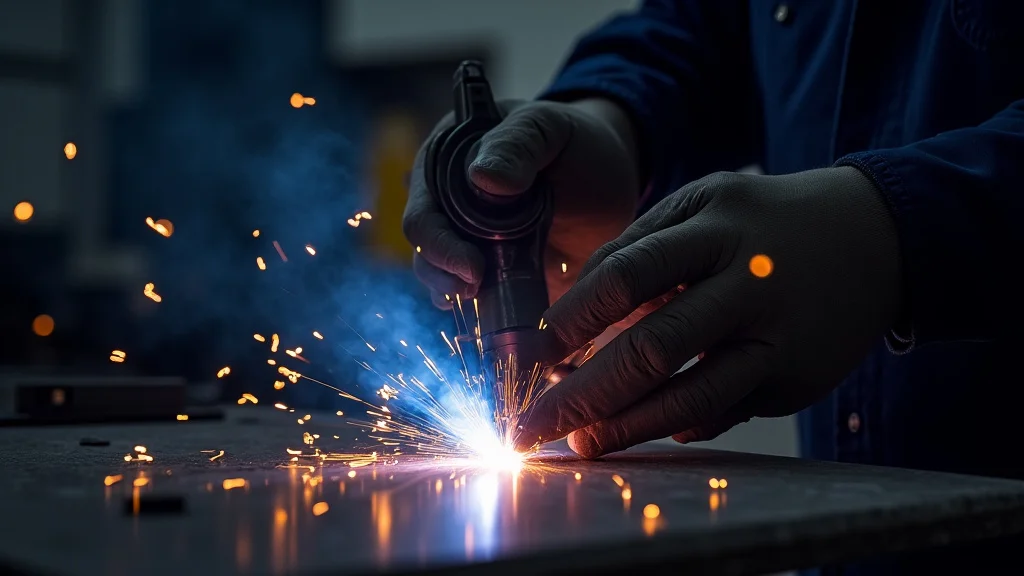
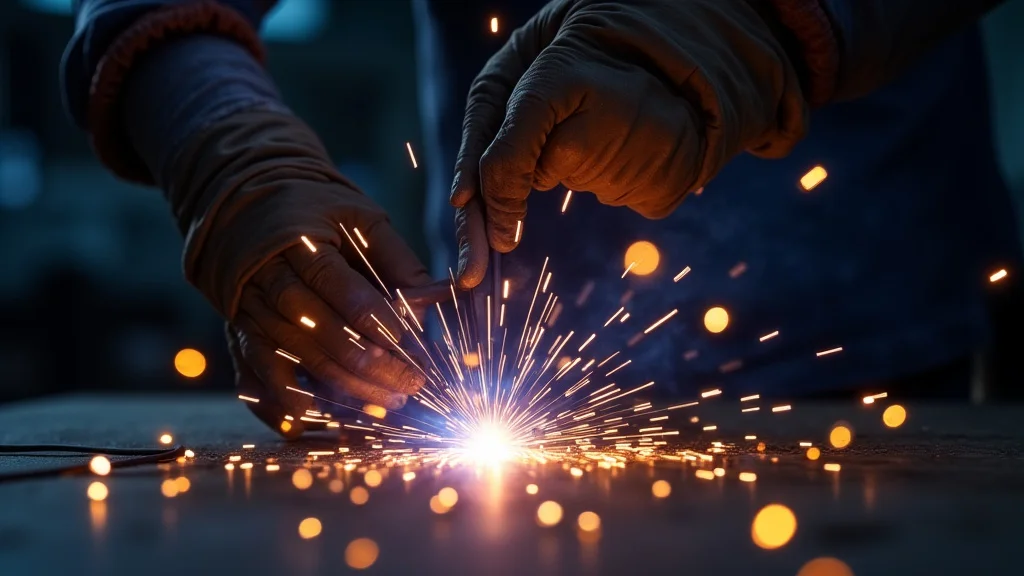
If you’re new to stick welding, you might run into a problem where your welder just doesn’t seem to have enough power. This can be frustrating, but don’t worry! It’s a common challenge for beginners, and there are simple reasons why it happens.
We’ll walk you through How to Fix Low Output in Stick Welding Machines step-by-step. Get ready to learn how to get your welder working right so you can make great welds.
Key Takeaways
- Proper machine settings are key to achieving good welding output.
- Dirty or damaged electrode holders can reduce power delivery.
- Cable condition and length significantly impact welding current.
- Power source issues can cause low output that needs professional attention.
- Electrode type and condition play a role in weld performance.
- Ground clamp connection is vital for completing the electrical circuit.
Understanding Stick Welder Output
Why Stick Welders Might Have Low Output
Sometimes, your stick welder might not put out the power you expect. This can make it hard to get a good weld. You might see the arc sputter, or the metal might not melt properly.
This is often because something isn’t set up right, or a part isn’t working as it should. For beginners, figuring out these problems can be tricky.
Machine Settings: The First Check
The most common reason for low output is incorrect machine settings. Stick welders often let you adjust the amperage, which is the measure of electrical current. If this is set too low for the type of electrode you’re using or the metal thickness, you’ll get weak welds.
Always refer to the electrode manufacturer’s recommendations for the right amperage range. Your welding machine’s manual will also tell you the best settings for different jobs.
Different welding machines have different ways to adjust amperage. Some have a dial, others have buttons, and older models might have a slider. Make sure you know how to change the setting on your specific machine.
If you’re unsure, look for a sticker on the machine that gives you a starting point. Remember, the right setting is crucial for a strong arc and good penetration.
Electrode Holder and Cable Connections
The electrode holder, also called the stinger, is where you clamp your welding electrode. If the jaws of the holder are dirty, corroded, or worn out, they might not make good contact with the electrode. This poor connection can reduce the flow of electricity, leading to low output.
Clean the jaws regularly with a wire brush. Make sure the electrode is held firmly.
The cables that connect your electrode holder and ground clamp to the welder are also important. They need to be in good condition. Look for any cuts, nicks, or frayed sections in the cables.
Damaged cables can lose electrical power. Also, check where the cables connect to the machine. These connections should be clean and tight.
A loose connection here is a common culprit for low output.
Ground Clamp Issues
The ground clamp is just as important as the electrode holder. It completes the electrical circuit. If the ground clamp isn’t making a good connection to the metal you’re welding, the current can’t flow properly.
This will result in low output. Always attach the ground clamp directly to the piece of metal you are welding, or to a clean, metal workbench connected to the workpiece.
Scrape away any paint, rust, or dirt from the metal where you attach the ground clamp. A clean surface ensures a strong electrical connection. If the clamp itself is dirty or corroded, clean it with a wire brush.
A loose or dirty ground clamp is a very frequent cause of weak welding arcs.
Cable Length and Gauge
The length and gauge (thickness) of your welding cables can affect the output. Longer cables have more electrical resistance. This resistance can cause a voltage drop, meaning less power reaches your electrode.
Similarly, thinner cables (lower gauge number) have higher resistance than thicker cables. If you’re using very long or thin cables, it might be reducing your welder’s output.
For most stick welding applications, cables that are 10 to 25 feet long are usually sufficient. The gauge of the cable should match the amperage rating of your welder. Check your welder’s manual for recommended cable sizes.
If you often need to work far from your machine, consider using shorter cables or a welder with a higher duty cycle that can handle longer leads.
Power Source Problems
Sometimes, the problem isn’t with your setup but with the welder itself. The internal components of the power source can fail or become worn. This can lead to a reduction in the welding current it can deliver.
If you’ve checked all the external connections, settings, and cables, and you’re still experiencing low output, the issue might be with the welder’s power supply.
Internal power source problems are usually more serious and may require professional repair. This could include issues with transformers, rectifiers, or other electronic components. If your welder is old or has been used heavily, it’s more likely to develop these kinds of issues.
Don’t try to open up the welder yourself unless you are trained in electrical safety, as it can be dangerous.
Electrode Condition and Type
The type and condition of the welding electrode you’re using can also influence output. Different electrodes are designed for different jobs and require specific amperage settings. Using an electrode that’s too large or too small for the job can lead to poor arc stability and low effective output.
Always match the electrode to the material thickness and the type of weld needed.
Electrodes also have a shelf life and can be damaged by moisture. If electrodes have been stored improperly, they can absorb moisture from the air. This moisture can cause sputtering and instability in the arc, making it seem like the welder has low output.
Old or damaged electrodes should be replaced. Some electrodes, like cellulosic ones, are more sensitive to moisture than others.
Troubleshooting Steps for Low Output
When you notice low output from your stick welder, start with the easiest checks. Follow these steps to find and fix the problem.
- Check Machine Settings: Double-check that your amperage is set correctly for the electrode and material.
- Inspect Electrode Holder: Make sure the jaws are clean and making good contact with the electrode.
- Examine Cables: Look for any damage to the welding leads. Ensure connections at the machine are tight.
- Verify Ground Clamp: Clean the clamp and the workpiece surface. Ensure a solid connection.
- Consider Cable Length/Gauge: If using long or thin cables, try a shorter, thicker set if possible.
- Test Different Electrodes: Try a fresh pack of electrodes of the same type or a different common type.
- Listen to the Arc: A weak arc will sound different from a strong, stable one.
Comparison of Common Issues
| Problem Area | Likely Cause | Fix |
|---|---|---|
| Machine Settings | Amperage set too low | Increase amperage according to electrode chart |
| Electrode Holder | Dirty or corroded jaws | Clean jaws with a wire brush |
| Ground Clamp | Poor connection to workpiece | Clean contact surface, ensure tight clamp |
| Welding Cables | Damage or loose connections | Repair or replace damaged cables, tighten connections |
| Electrode | Old, moist, or wrong type | Use fresh, properly stored electrodes; select correct type |
Frequently Asked Questions
Question: My stick welder feels weak, but the display shows high amps. What’s wrong?
Answer: Even if the display shows high amps, a poor connection somewhere in the circuit can cause low actual output. Check your ground clamp, electrode holder, and cable connections for dirt or corrosion.
Question: I’m using a new stick welder and getting low output. Is it faulty?
Answer: It’s possible, but usually, it’s a setup issue. Ensure you’re using the correct amperage setting for the electrode and material. Also, make sure your power source is properly connected and has adequate power supply.
Question: How does the length of my welding cables affect output?
Answer: Longer welding cables have more resistance. This resistance can cause a voltage drop, meaning less amperage reaches your electrode, resulting in lower output. Thicker cables (lower gauge number) reduce this effect.
Question: Can the type of welding electrode cause low output?
Answer: Yes, the electrode type dictates the required amperage range. If you use an electrode outside its recommended range, it won’t perform optimally, mimicking low output. Also, moisture-damaged electrodes can cause arc instability.
Question: My welds are not penetrating well. What should I do?
Answer: Poor penetration is a classic sign of low output. First, ensure your amperage setting is high enough. Then, check your ground connection and electrode holder for any issues that might be reducing the electrical current.
Final Thoughts
Getting your stick welder to perform at its best is important for making good welds. When you experience low output, remember it’s often due to simple things like incorrect settings, dirty connections, or cable issues. By systematically checking your machine’s amperage dial, the cleanliness of your electrode holder and ground clamp, and the condition of your cables, you can usually find the cause.
Don’t overlook the electrode itself; use fresh ones appropriate for your task. Addressing these common points will help you get that strong, stable arc you need.