
It’s a common worry for anyone starting out with welding: why does that fuse keep blowing? You’re eager to get started, but a popped fuse stops you cold. Don’t worry, it’s a common issue that’s usually simple to fix.
We’ll break down exactly What Causes Welding Machine Fuse to Blow? in easy steps. Stick around, and we’ll get your welder back in action in no time.
Key Takeaways
- Fuses blow to protect your welding machine from damage.
- Overloading the machine is a primary reason for fuse failure.
- Using the wrong size fuse will cause it to blow prematurely.
- Internal machine problems can also lead to a blown fuse.
- Proper maintenance and correct usage prevent most fuse issues.
- Understanding common causes helps beginners fix issues quickly.
Why Your Welding Machine Fuse Might Be Blowing
It can be frustrating when your welding machine’s fuse blows. You’re ready to create something, and suddenly, you’re stopped. This often happens when you’re just starting out. It’s a safety feature, but knowing why it happens is key. Let’s explore the common reasons.
Understanding the Role of a Fuse
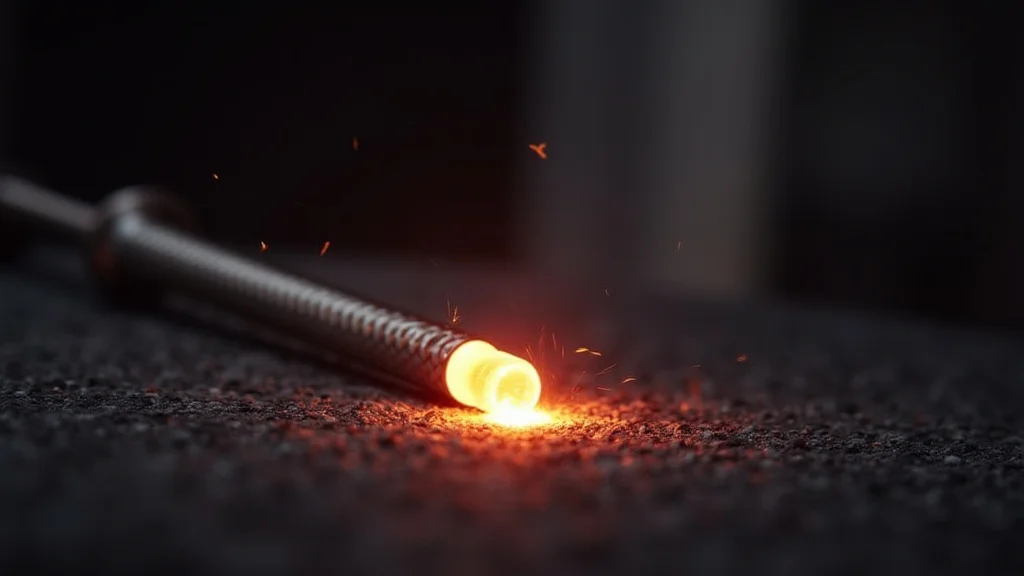
Think of a fuse as a small protector for your welding machine. It has a thin wire inside. When too much electricity tries to pass through, that wire gets hot and breaks. This stops the flow of power, preventing damage to more important and expensive parts of your welder. So, a blown fuse is actually a sign your machine’s safety system is working.
Common Culprits: Overloading Your Welder
One of the biggest reasons a fuse blows is simply asking too much of your machine. This is called overloading. It can happen in a few ways.
Too Much Power Draw
Welding machines use a lot of electricity. If you try to run your welder on a circuit that can’t handle that much power, the fuse will blow. This is especially true for older homes or workshops with limited electrical capacity. The circuit breaker might trip too, but if it doesn’t, the fuse in the machine will do its job.
Long Welding Cables
Using very long welding cables can also increase resistance. More resistance means the machine has to work harder to push the electricity through. This extra effort can sometimes draw more power than the fuse is rated for, causing it to blow.
Continuous High Output
If you’re welding for extended periods at the highest power settings, your machine is working overtime. This constant high demand can generate a lot of heat and stress on the electrical system, eventually leading to a fuse failure.
The Importance of the Right Fuse Size
Fuses come in different ratings, measured in amps. It’s crucial to use the correct fuse size specified by your welding machine’s manufacturer.
Using a Fuse That’s Too Small
If you put a fuse with a lower amp rating than recommended, it will blow very easily. Even normal operation might draw enough power to trip this under-rated fuse. It’s like putting a tiny straw in a fire hose; it will burst.
Using a Fuse That’s Too Large
On the flip side, using a fuse with a rating that’s too high is dangerous. If the fuse is too big, it won’t blow when it should. This means that if there’s an overload or a short circuit, the electricity will keep flowing, potentially causing serious damage to your welding machine, or even starting a fire. Always
Internal Machine Issues
Sometimes, the problem isn’t with how you’re using the machine, but with the machine itself.
Faulty Wiring
Loose or damaged wires inside the welding machine can create short circuits. A short circuit is when electricity takes an unintended path, usually to ground. This causes a sudden, massive surge of electricity, which will instantly blow the fuse to protect the rest of the machine.
Component Failure
Internal components like capacitors, diodes, or transformers can fail over time. When a component breaks down, it can draw too much current or create a short circuit, leading to a blown fuse. This usually requires professional repair.
Overheating
If your welding machine overheats, its internal components can be damaged. This damage can lead to electrical problems that cause fuses to blow. Make sure your machine has good ventilation and isn’t covered when in use.
Environmental Factors
Even where and how you use your welder can play a role.
High Ambient Temperature
Using your welder in a very hot environment can make the machine overheat faster. Overheating, as mentioned, can stress electrical components and lead to fuse issues.
Moisture or Dust
Moisture and excessive dust can cause electrical shorts. If these get inside your machine, they can create paths for electricity to flow where it shouldn’t, blowing the fuse. Always keep your welder clean and dry.
Tips to Prevent Fuses from Blowing
Now that you know why fuses blow, here are some simple things you can do to prevent it.
Read Your Manual
Your welding machine’s manual is your best friend. It tells you exactly what type of fuse to use and the recommended power requirements for the circuit.
Use the Correct Extension Cords
If you need extension cords, use heavy-duty ones rated for the amperage your welder requires. Undersized cords can overheat and cause power loss, contributing to fuse blowouts.
Allow for Cooling Periods
If you’re doing a lot of welding, give your machine breaks. Letting it cool down prevents overheating, which is a common cause of electrical problems.
Regular Maintenance
Keep your welder clean and check for any visible signs of damage to cables or the machine itself.
Troubleshooting When a Fuse Blows
If your fuse does blow, don’t just put in a new one and hope for the best. Follow these steps.
1. Unplug the Machine: Always disconnect power before inspecting or replacing a fuse.
2. Check the Fuse: Locate the fuse holder (usually a small door or cap on the machine). Open it and inspect the fuse. If the wire inside is broken, it’s blown.
3. 4. Inspect Your Work Area: Ensure your power source is adequate. Check your extension cords.
5. Test Carefully: Plug the machine in and try welding for a short time.
6. If it Blows Again: This means there’s likely an internal problem with the machine. It’s time to seek professional help from a qualified repair technician.
Frequently Asked Questions
Question: How do I know which fuse to buy for my welding machine?
Answer: Check your welding machine’s manual. It will specify the exact amperage and type of fuse required. You can also often find this information printed on a label on the machine itself, near the fuse holder.
Question: Can I use a different type of fuse if I can’t find the exact one?
Answer: No, it’s very important to use the exact same type and rating of fuse. Using the wrong fuse can damage your machine or create a fire hazard.
Question: My fuse blows immediately when I turn the welder on. What does that mean?
Answer: This usually indicates a serious short circuit inside the machine. It’s not safe to use the welder until it’s been inspected and repaired by a professional.
Question: How often should I expect to replace a fuse?
Answer: If you’re using the machine correctly and have the right fuse, you shouldn’t have to replace fuses often. Frequent blowing suggests an underlying issue that needs to be addressed.
Question: Is it safe to try and fix a blown fuse myself?
Answer: Replacing a blown fuse with a new one of the correct rating is safe and often necessary. However, if fuses continue to blow, the problem is likely internal to the machine, and you should not attempt to repair it yourself. Call a qualified technician.
Final Thoughts
Knowing What Causes Welding Machine Fuse to Blow? is key to keeping your welding projects on track. Overloading your machine, using the wrong fuse size, or internal electrical faults are the main culprits. By using the correct fuse, ensuring your power source is adequate, and allowing your welder to cool, you can prevent most problems.
Pay attention to your machine and its needs, and it will serve you well. If a fuse keeps blowing, don’t guess; get expert help to keep you and your equipment safe.