
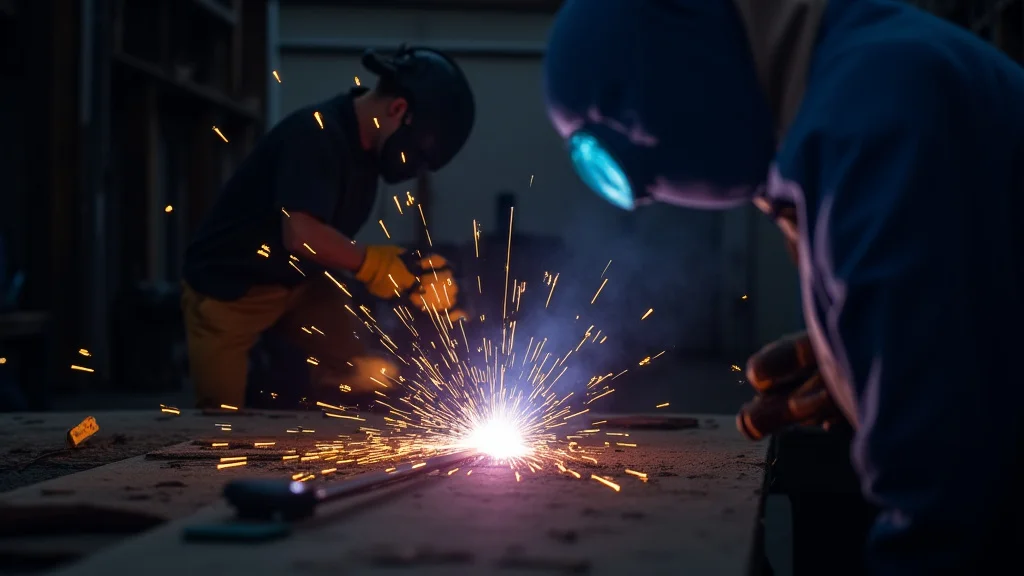
Welding can be a rewarding skill, but it’s also serious business. Beginners often wonder, What Are the Best Practices for Welding Safety? because there’s a lot to remember. You might feel a bit overwhelmed at first.
Don’t worry! We’ll break it all down simply, step by step. Get ready to learn the easy way to stay safe so you can focus on making great welds.
We’ll start with the most important things you need to know right away.
Key Takeaways
- You will learn about the essential personal protective equipment (PPE) needed for welding.
- We will cover how to protect your workspace from fire hazards.
- You will understand the importance of proper ventilation for welding fumes.
- We will explore safe ways to handle welding equipment and materials.
- You will find out about eye protection and preventing arc flash.
- We will explain basic first aid for common welding injuries.
The Basics of Welding Safety
Why Safety Matters in Welding
Welding involves intense heat, bright light, and sometimes sparks and fumes. Because of these things, safety is super important. Not following safety rules can lead to bad burns, eye damage, or breathing problems.
It’s not just about avoiding pain; it’s about keeping your health long-term. When you’re learning, focusing on safety first helps you build good habits.
Essential Personal Protective Equipment (PPE)
Your gear is your first line of defense. Think of it as your welding uniform. It’s designed to keep you safe from heat, sparks, and radiation.
Wearing the right PPE is non-negotiable. It protects your skin, eyes, and lungs from harm.
Head and Face Protection
A welding helmet is a must-have item. It protects your face and eyes from the bright light of the arc. This light, called ultraviolet (UV) radiation, can cause serious eye damage if you look at it directly.
The helmet also shields your face from sparks and heat.
Make sure your helmet has a good auto-darkening lens. This lens gets dark very quickly when the welding arc starts. This is much better than older helmets with manual lenses.
You don’t have to lower your helmet down every time you start welding. This saves time and also protects your eyes better because you don’t miss the moment the arc begins.
Body Protection
Your body needs protection too. Wear thick, non-synthetic clothing. Cotton or leather are good choices.
Synthetic materials can melt and stick to your skin if they catch fire. This can cause very bad burns.
Always wear a welding jacket and welding gloves. These are usually made of leather. Leather is tough and can resist sparks and heat.
Make sure your sleeves are tucked into your gloves. This stops sparks from getting inside and burning your skin.
Your pants should cover the tops of your boots. No cuffs are best, as sparks can collect in them. Wear sturdy leather boots.
They protect your feet from falling objects and sparks.
Hand Protection
Welding gloves are thick and made for protection. They keep your hands safe from heat and sharp metal. They also help you handle hot metal pieces without getting burned.
Always inspect your gloves before use. Look for holes or wear and tear.
Foot Protection
Steel-toed boots are recommended. They protect your feet from heavy objects that might fall. Leather boots also offer good protection against sparks and heat.
Workplace Safety: Fire Prevention
Clearing the Area
Before you start welding, look around your workspace. Remove anything that can catch fire. This includes flammable liquids, paper, rags, and wood.
If you can’t move something flammable, cover it with a fire-resistant blanket.
Fire Extinguishers
Always have a fire extinguisher nearby. Know how to use it. A Class ABC extinguisher is good for most welding fires.
Check its pressure gauge regularly to make sure it’s ready to go.
Hot Work Permits
In some workplaces, you might need a hot work permit. This is a formal document that says you’ve checked the area and it’s safe for welding. It shows you’ve taken the right steps to prevent fires.
Ventilation and Air Quality
The Danger of Fumes
Welding produces fumes and gases. These can be harmful to your health if you breathe them in. The type of fumes depends on the metal you are welding and the welding process you use.
Some fumes can cause headaches, dizziness, or long-term lung problems.
Proper Ventilation Techniques
Always weld in a well-ventilated area. If you are welding indoors, use a fume extractor or local exhaust system. This system sucks the fumes away from your breathing zone.
If you can’t use a mechanical system, try to weld near an open window or door.
If you’re welding in a confined space, like a tank or a small room, you need extra precautions. You might need forced ventilation to bring fresh air in and push fumes out. Sometimes, you might need to wear a supplied-air respirator.
When to Use Respirators
If ventilation is not enough, wear a respirator. There are different types. A filtering facepiece respirator can protect against some fumes.
For more dangerous fumes or in poor ventilation, you might need a supplied-air respirator. Always choose a respirator that is right for the type of welding you are doing and the environment.
Handling Welding Equipment Safely
Cylinders and Gas Safety
If you use gas cylinders, like for MIG or TIG welding, handle them with care. Always secure cylinders so they can’t fall over. Use a valve protection cap when they are not in use.
Never use oil or grease on cylinder valves. They can cause a dangerous explosion.
Check hoses and connections for leaks regularly. Use the correct regulator for the gas you are using. Acetylene and oxygen regulators are different and should not be mixed up.
Power Tools and Electrical Safety
Welding machines use electricity. Always check the power cords for damage before plugging them in. Make sure your welding machine is properly grounded.
This helps prevent electric shock.
Never touch any part of the welding circuit while it is powered on. This includes the electrode holder, the workpiece, and the ground clamp. Keep water away from electrical equipment.
Using Welding Machines
Read the manual for your welding machine. Understand how it works and its safety features. Never force a machine to do more than it’s designed for.
Turn off the power when you are not welding or when changing consumables.
Eye Safety: Preventing Arc Flash and UV Damage
The Dangers of Arc Rays
The light produced by welding is very intense. It contains ultraviolet (UV) and infrared (IR) radiation. Looking directly at the welding arc without proper protection can cause a painful condition called arc eye or arc flash.
This is like a sunburn on your eyes.
Symptoms include gritty eyes, pain, and sensitivity to light. In severe cases, it can lead to temporary blindness. Long-term exposure can increase the risk of cataracts.
Choosing the Right Shade Lens
Welding helmets have a tinted lens to protect your eyes. The darkness of the lens is measured by a shade number. The shade number needed depends on the welding process and the amperage used.
For most common welding, a shade between 9 and 13 is recommended.
For very high amperages or certain processes like gas welding, you might need a darker shade. Always check the welding machine’s manual or safety guidelines for the correct shade number.
Protecting Others from Arc Rays
If others are nearby, make sure they are protected from the welding arc. Use welding screens or curtains to block the light. Inform people around you that you are about to start welding.
They should also wear eye protection if they cannot be fully shielded.
Weld Quality and Safety
Understanding Weld Defects
While not directly about personal safety, understanding weld defects is important. Poor quality welds can fail under stress, leading to accidents. For example, a bridge beam or a piece of machinery could break if the welds are weak.
Common defects include porosity (holes in the weld), slag inclusions (non-metal material trapped in the weld), and undercut (a groove along the edge of the weld). These defects weaken the weld.
Inspecting Your Welds
Learn to inspect your welds. Look for a smooth, even bead. There should be no cracks or excessive spatter.
A good weld is strong and reliable. If you see defects, you need to grind them out and re-weld the area.
First Aid for Common Welding Injuries
Burn Treatment
If you get a minor burn, cool the area immediately with clean, cool water. Do not use ice or butter. Cover the burn loosely with a sterile, non-stick bandage.
Seek medical attention for serious burns.
Eye Injuries
If you suspect arc eye, rest your eyes in a dark room. Use artificial tears to keep them moist. If pain is severe or vision is affected, see a doctor.
Never rub your eyes.
Cuts and Abrasions
Clean any cuts or scrapes thoroughly with soap and water. Apply an antiseptic and cover with a bandage. If a cut is deep or bleeding heavily, seek medical help.
Keeping Your Workspace Tidy
Organizing Tools and Materials
A cluttered workspace is a dangerous workspace. Keep your tools, cables, and welding materials organized. Make sure walkways are clear.
Tripping hazards can lead to falls and injuries.
Waste Disposal
Dispose of welding rods, slag, and other waste materials properly. Don’t leave them lying around where they can cause a fire hazard or a tripping danger.
Frequently Asked Questions
Question: What is the most important piece of safety gear for welding?
Answer: The most important piece of safety gear is your welding helmet. It protects your eyes and face from the intense light and heat of the welding arc.
Question: Can I weld in my regular clothes?
Answer: No, you should not weld in regular clothes. Wear fire-resistant clothing made of materials like cotton or leather. Synthetic materials can melt and cause severe burns.
Question: How do I know if my welding area is safe from fire?
Answer: Clear all flammable materials from your welding area. Keep a fire extinguisher nearby and know how to use it. If you can’t move something flammable, cover it with a fire-resistant blanket.
Question: What should I do if I get a spark in my eye?
Answer: Do not rub your eye. Try to rinse it gently with clean water. If the pain persists or you can’t see clearly, seek medical attention immediately.
Question: Is welding fume dangerous?
Answer: Yes, welding fumes can be dangerous. They can cause short-term issues like headaches and long-term health problems. Always weld in a well-ventilated area or use a fume extractor.
Final Thoughts
Staying safe while welding is about being prepared and aware. You learned about essential gear like helmets and fire-resistant clothing. We talked about keeping your area clear of fires and making sure you have good air to breathe.
Handling your tools and machines the right way is also key. Protecting your eyes from the bright arc is super important. Remember, good welding means safe welding.
Practice these steps, and you’ll be welding with confidence and security.