Keeping your MIG welder working well is super important, and one of the easiest ways to do that is by knowing How to Properly Clean MIG Welding Nozzles. It might seem like a small thing, but a dirty nozzle can cause big problems with your welds. Don’t worry if this sounds tricky; we’ll break it down step by step to make it simple.
After this, you’ll know exactly what to do.
Key Takeaways
- Clean nozzles prevent weld spatter buildup.
- Regular cleaning ensures good gas flow for better welds.
- Different cleaning methods work for various levels of dirt.
- Protecting your nozzle extends its lifespan.
- Simple tools can do the job effectively.
Why Cleaning MIG Welding Nozzles Matters
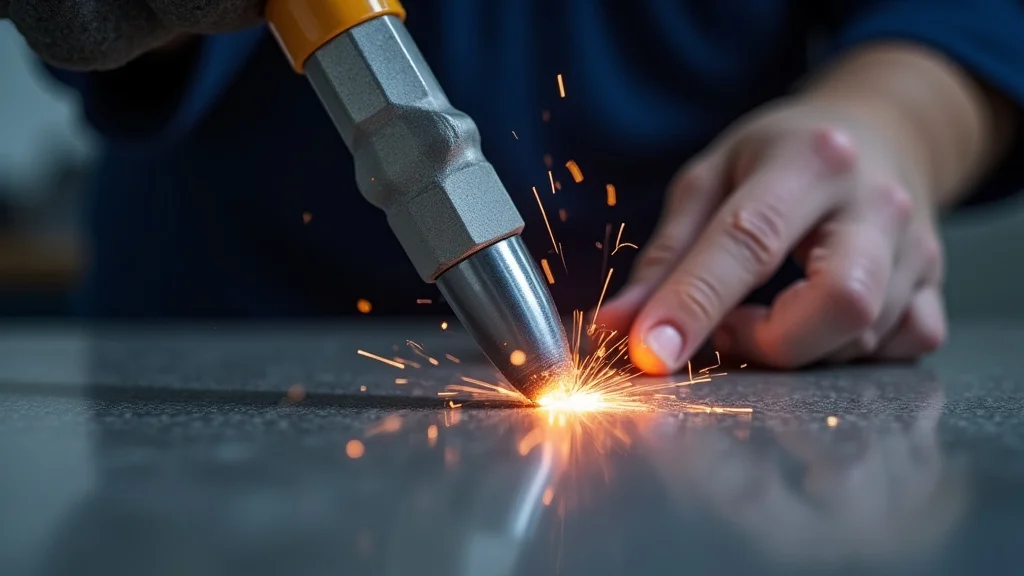
When you’re MIG welding, tiny bits of molten metal, called spatter, can fly off and stick to your nozzle. Think of it like little metal blobs getting stuck where they shouldn’t be. If this happens too much, it can really mess with your welds.
A clean nozzle is like a clear path for your welding wire and shielding gas. If it’s blocked, your gas can’t protect the weld properly, and you end up with weaker, messier joints. It’s a basic maintenance step that makes a huge difference.
The Purpose of a MIG Welding Nozzle
Your MIG welding nozzle is more than just a metal cap. Its main job is to guide the welding wire and, more importantly, direct the shielding gas. This gas is vital because it shields the molten weld pool from the air.
Oxygen and nitrogen from the air can make your weld brittle and weak. The nozzle ensures this gas flows evenly around the arc, creating a protective bubble. A clean nozzle means this gas shield is consistent and effective, leading to strong, clean welds.
Signs Your Nozzle Needs Cleaning
You can usually tell when your nozzle is getting dirty. One of the biggest clues is spatter buildup. You’ll start seeing more and more of those little metal bits stuck inside and around the nozzle opening.
Another sign is poor gas flow. You might notice the gas seems to be blowing unevenly or not covering the weld area well. This can lead to porosity in your welds, which are small holes that weaken the metal.
If your welds start looking rough, bubbly, or inconsistent, your nozzle might be the culprit.
Sometimes, you might also hear your welding arc sound different. A clean nozzle and good gas flow usually result in a smooth, steady arc sound. If it starts to sound crackly or unstable, it could be a sign that something is interfering with the gas delivery, like a clogged nozzle.
Common Problems from Dirty Nozzles
A dirty MIG welding nozzle can cause a handful of common issues. For starters, it can lead to poor weld penetration. This means the weld isn’t fusing the pieces of metal together deeply enough, making the joint weak.
You might also see an increase in undercut, where the weld metal is lower than the surrounding surface, creating a weak spot. As mentioned, porosity is a big one. These little holes weaken the weld significantly.
Finally, a dirty nozzle can make it harder to control the arc, leading to inconsistent beads and a less professional look.
Tools for Nozzle Cleaning
You don’t need a lot of fancy equipment to keep your nozzle clean. Some basic tools will do the trick. A wire brush is essential for scraping off larger bits of spatter.
You can use a dedicated nozzle cleaning tool, which often has a reamer to clean out the inside. Many welders keep a small hammer and chisel handy for stubborn spatter, though this should be used with care. A can of anti-spatter spray is also a must-have.
It’s not for cleaning, but it helps prevent spatter from sticking in the first place.
Some people also use a small grinder with a wire wheel attachment. This can be very effective for quick cleaning. However, be careful not to grind away too much metal from the nozzle itself, as this can change its shape and affect gas flow.
Always err on the side of caution with power tools and nozzle cleaning.
Cleaning Methods Step-by-Step
Let’s get into the actual cleaning. It’s a simple process that only takes a few minutes.
Preparation
First, make sure your MIG welding gun is disconnected from the power source. Safety first! Let the nozzle cool down if it’s hot from welding.
You don’t want to burn yourself. Have your cleaning tools and any spray ready.
Removing Loose Spatter
Use your wire brush to get rid of any loose spatter that’s stuck to the outside of the nozzle. A good scrub usually does the job. If there are small bits inside, try to brush them out gently.
Cleaning the Inside
This is where a nozzle reamer or a similar tool comes in handy. Gently insert the reamer into the nozzle opening and twist it. This helps scrape away hardened spatter from the inside walls.
Be careful not to force it, or you could damage the nozzle.
Dealing with Stubborn Spatter
For really tough spatter, you might need a light tap with a small hammer. Sometimes, a small chisel can help chip away at stubborn bits. Again, be gentle.
The goal is to remove the spatter, not damage the nozzle’s shape.
Anti-Spatter Spray
Once the nozzle is clean, it’s time for some preventative care. Spray a good quality anti-spatter liquid or paste on the inside and outside of the nozzle. This creates a barrier that makes it harder for spatter to stick next time you weld.
Let it dry for a minute or two before welding.
Reassembly (if needed)
If you removed the nozzle or tip for cleaning, put them back on securely. Make sure the tip is seated correctly, as this also affects gas flow.
Regular Maintenance Schedule
How often should you clean your nozzle? It really depends on how much you weld and what materials you’re using. For light DIY projects, cleaning it every few hours of welding might be enough.
If you’re doing a lot of production work or welding materials that create a lot of spatter, you might need to clean it more often. Some welders clean their nozzle after every welding session, or even during long sessions.
A good rule of thumb is to clean it whenever you notice spatter building up, or if you start seeing issues with your welds. It’s better to clean it a little too often than not often enough. Think of it like changing the oil in your car; regular maintenance prevents bigger problems down the road.
Preventing Spatter Buildup
Beyond regular cleaning, there are ways to minimize spatter buildup. Using the right welding settings is key. Too high a voltage or wire speed can lead to more spatter.
Experiment with your settings to find what works best for your material thickness and type. Always ensure your shielding gas flow rate is set correctly. Too little gas won’t protect the weld, and too much can cause turbulence, leading to spatter.
The type of wire you use can also affect spatter. Some wires are known for producing less spatter than others. Also, the distance between your nozzle and the workpiece, called stick-out, matters.
Keeping the correct stick-out, usually about 3/8 to 1/2 inch, helps maintain a stable arc and reduces spatter.
Nozzle and Contact Tip Maintenance
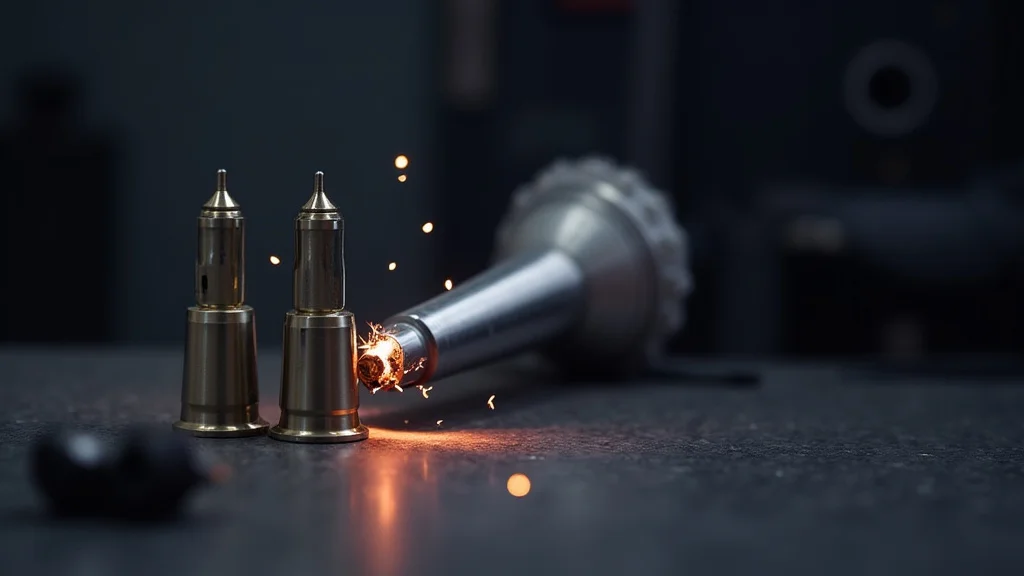
Your MIG nozzle works closely with the contact tip. The contact tip is what the welding wire passes through. It’s important to keep the contact tip clean and in good condition as well.
Spatter can build up inside the tip, affecting wire feeding and electrical conductivity. If a contact tip becomes damaged or worn, it should be replaced. A good practice is to clean or replace the contact tip at the same time you clean or replace your nozzle.
A worn contact tip can cause the wire to feed erratically, leading to arc instability and poor weld quality. Inspect the tip regularly for any signs of wear, deformation, or spatter buildup. If it looks pitted or enlarged, it’s time for a new one.
When to Replace a Nozzle
Most MIG welding nozzles are made of copper, which is a good conductor of heat. However, they can wear out over time. If your nozzle becomes significantly deformed, has large cracks, or if cleaning no longer seems to help with weld quality, it’s probably time for a replacement.
A deformed nozzle can disrupt the flow of shielding gas, leading to poor welds.
Contact tips are even more prone to wear and should be replaced more frequently. Damaged or worn tips can cause all sorts of welding problems. It’s often a good idea to keep a few spare contact tips and nozzles on hand so you can swap them out quickly if needed.
This minimizes downtime and keeps your welding projects moving forward smoothly.
Frequently Asked Questions
Question: How often should I clean my MIG welding nozzle?
Answer: You should clean it whenever you notice spatter buildup or if your welds start looking inconsistent. For heavy use, this might be every few hours of welding or even after each session.
Question: What are the main signs that my nozzle needs cleaning?
Answer: You’ll see spatter stuck to the nozzle, hear a crackly arc sound, or notice issues like porosity in your welds due to poor gas flow.
Question: Can I use a regular drill to clean the inside of the nozzle?
Answer: It’s best to use a dedicated nozzle reamer or a tool specifically designed for it. A drill might be too aggressive and could damage the nozzle.
Question: Does anti-spatter spray really help?
Answer: Yes, anti-spatter spray creates a barrier that makes it harder for spatter to stick, reducing the amount of cleaning you need to do.
Question: Should I clean my contact tip too?
Answer: Absolutely. The contact tip is just as important as the nozzle and needs regular cleaning and occasional replacement to ensure good wire feeding and arc stability.
Final Thoughts
Keeping your MIG welding nozzle clean is a simple but vital part of good welding. By taking a few minutes to brush off spatter, use a reamer, and apply anti-spatter, you ensure your gas flows right and your welds are strong. This small effort saves you from common welding problems and makes your equipment last longer.
So, get your tools ready and give your nozzle a good cleaning. Your welds will thank you for it!