When your TIG welder torch isn’t working right, it can be a real head-scratcher, especially when you’re just starting out. It’s easy to feel stuck. But don’t worry!
This guide is here to help you figure out what’s going on. We’ll walk through the common reasons why a TIG Welder Torch Not Functioning? Troubleshoot becomes a problem.
Follow these simple steps, and you’ll be welding again in no time. Let’s find out what’s causing the issue and how to fix it.
Key Takeaways
- You will learn the most common reasons a TIG welder torch stops working.
- Discover simple checks to do before you try more complicated fixes.
- Understand how gas flow and power issues affect your torch.
- Learn about the importance of a clean torch and consumables.
- Gain confidence in troubleshooting TIG welding problems yourself.
Understanding Why Your TIG Welder Torch Isn’t Working
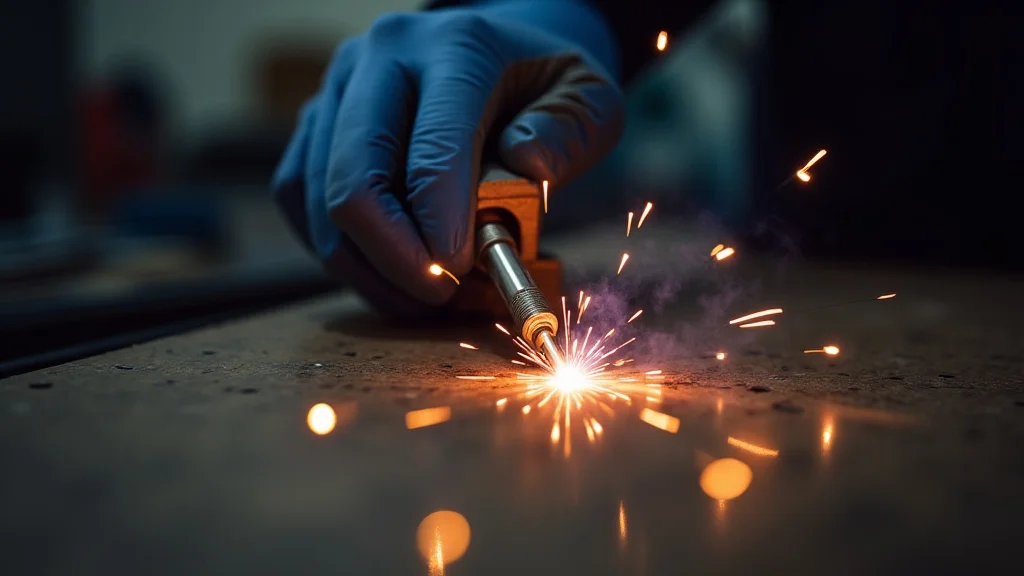
It can be frustrating when your TIG welder torch doesn’t spark to life. You might be ready to start a project, only to find your torch is acting up. This is a common problem, and beginners often find it challenging to pinpoint the exact cause.
There are many small parts and connections involved in a TIG torch system. Any one of these could be the reason you’re not getting an arc or the gas isn’t flowing.
The good news is that most TIG welder torch problems are fixable with a little patience and some basic troubleshooting steps. We’ll break down the most likely culprits, from simple user errors to more technical issues. By going through these checks, you’ll be able to diagnose the problem and get back to welding smoothly.
Common Causes for a Non-Functioning TIG Torch
Several things can cause a TIG welder torch to suddenly stop working. Often, it’s something straightforward that’s been overlooked. We’ll start with the most frequent issues first.
Power and Connection Problems
Your TIG torch needs a good, solid connection to the welder to work. If the power isn’t getting to the torch, it won’t do anything.
Loose Cables
Check all the cables connected to your TIG welder. Make sure the main power cable is securely plugged into the wall outlet and the welder. Also, look at the torch connection at the welder.
It should be tight and free from any dirt or debris.
Damaged Cables
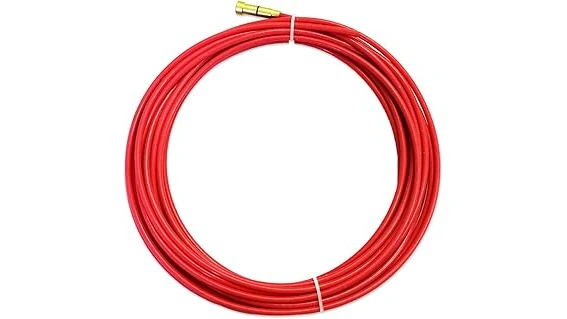
Inspect the torch cable itself. Look for any cuts, nicks, or fraying along its length. A damaged cable can interrupt the flow of electricity or shielding gas.
If you find damage, the cable might need to be repaired or replaced.
Work Clamp Connection
The work clamp is essential for completing the electrical circuit. Ensure it’s clamped firmly to a clean piece of metal. A loose or dirty work clamp connection can prevent the arc from starting.
Shielding Gas Issues
TIG welding uses a shielding gas, usually argon, to protect the weld pool from contamination. If the gas isn’t flowing properly, your weld won’t be good, and sometimes the torch won’t even activate correctly.
Empty Gas Cylinder
This is a very common oversight. Check the pressure gauge on your argon cylinder. If it’s empty or very low, you won’t have any shielding gas.
You’ll need to get a refill or a new cylinder.
Closed Gas Valve
Make sure the valve on top of your gas cylinder is fully open. Sometimes, it can be accidentally turned off. Also, check the valve on the regulator to ensure it’s open.
Gas Flow Regulator Problems
The regulator controls how much gas flows from the cylinder to your torch. If it’s malfunctioning, it might not be letting gas through. Check the regulator settings and ensure they are appropriate for TIG welding.
Gas Leaks
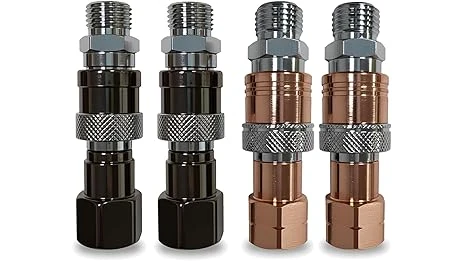
Leaks can happen anywhere in the gas line, from the cylinder to the torch. Listen for hissing sounds. Check all connections, including the hose from the regulator to the welder and the connection at the torch.
Even a small leak can reduce gas flow significantly.
Dirty Gas Solenoid Valve
The gas solenoid valve inside the welder controls the flow of gas to the torch when you press the trigger. If this valve is dirty or clogged, gas won’t reach the torch. This often requires professional cleaning or replacement.
Torch Consumables
The parts at the very end of your TIG torch, called consumables, play a vital role. If they are worn out or dirty, they can cause a lot of problems.
Tungsten Electrode Issues
The tungsten electrode is what creates the arc. If it’s too short, blunt, or contaminated, it won’t form a proper arc. Make sure it’s properly ground to a sharp point (for DC welding) and that it’s not touching the workpiece or filler metal.
- Contamination: If the tungsten touches the molten weld pool or filler metal, it becomes contaminated. This will cause erratic arcs and poor weld quality. It needs to be reground or replaced.
- Wrong Type: Using the wrong type of tungsten for your application can also lead to issues. Pure tungsten is generally for AC aluminum, while thoriated or ceriated tungsten is common for DC steel.
Collet and Collet Body
The collet holds the tungsten in place, and the collet body is part of the torch head. If these are dirty, damaged, or the wrong size for your tungsten, the tungsten might not be held securely. This can lead to poor electrical contact and arc instability.
Gas Lens Issues
A gas lens helps direct the shielding gas more effectively. If the gas lens screens or internal parts are clogged or damaged, gas flow will be disrupted. Cleanliness is key for gas lenses.
Ceramic Cup (Nozzle) Problems
The ceramic cup directs the shielding gas flow and protects the torch. If the cup is cracked, chipped, or the opening is too small, it can cause poor gas coverage. Make sure the cup is the right size for your weld and that it’s not damaged.
Trigger and Switch Problems
The trigger on your TIG torch is how you activate the arc and gas flow. If the trigger mechanism isn’t working, the torch won’t function.
Stuck Trigger
Sometimes, the trigger can get stuck in the “off” or “on” position due to dirt, debris, or damage. Try gently wiggling the trigger to see if it frees up.
Faulty Microswitch
Inside the torch handle, there’s a microswitch that the trigger activates. If this switch is faulty or its connection is loose, it won’t signal the welder to start. This is a more complex repair and might require disassembling the torch handle.
Wiring Issues
Check the wires that run from the trigger to the torch connector. Look for any loose connections or breaks in the wires. These can be difficult to spot without specialized tools.
Cooling System Issues (for water-cooled torches)
If you’re using a water-cooled TIG torch, the cooling system is crucial. Overheating can cause the torch to shut down as a safety measure.
Low Coolant Level
Ensure your welder’s water cooler reservoir is filled to the correct level. Low coolant can lead to the torch overheating quickly.
Blocked Coolant Lines
Check the hoses for kinks or blockages. Debris can build up in the lines or the cooler unit, restricting flow. Ensure the water pump is working correctly.
Faulty Flow Sensor
Many water-cooled systems have a flow sensor that shuts down the welder if coolant isn’t circulating. If this sensor is faulty or dirty, it might falsely report no flow.
Welder Settings and Power Supply
Sometimes, the problem isn’t with the torch itself, but with how the welder is set up or the power it’s receiving.
Incorrect Amperage Setting
While not directly preventing the torch from functioning, setting the amperage too low might make it seem like the arc isn’t starting. Ensure your amperage is appropriate for the material thickness you’re welding.
Wrong Welding Mode Selected
Most TIG welders have different modes (e.g., DC, AC, Pulse). Ensure you have the correct mode selected for the metal you are welding. For example, if you’re trying to weld steel but are in AC mode, you won’t get a good arc.
Power Source Issues
Check if the welder itself is receiving power. Are the indicator lights on? Is the main power switch on?
Sometimes, a tripped breaker or a blown fuse in the welder can stop all functions.
Step-by-Step Troubleshooting Guide
Let’s go through the process of figuring out what’s wrong, starting with the easiest things to check.
Step 1: Visual Inspection
Before anything else, give everything a good look.
- Check all torch cables for damage.
- Ensure the work clamp is securely attached to clean metal.
- Look at the torch consumables for any obvious wear or damage.
- Make sure the torch handle is clean and free of debris.
Step 2: Check Power and Connections
A solid electrical path is vital.
- Unplug the main power cord, then plug it back in firmly.
- Check the connection where the torch cable attaches to the welder. Make sure it’s clean and tight.
- Verify the work clamp is clamped tightly onto a clean surface.
Step 3: Verify Shielding Gas
Shielding gas is crucial for TIG welding.
- Is the gas cylinder valve open?
- Is there enough gas in the cylinder (check the gauge)?
- Turn on the gas at the regulator and listen for flow (you might hear a faint hiss at the torch when you briefly press the trigger).
- Check all gas connections for leaks.
Step 4: Inspect Torch Consumables
Worn-out parts cause many problems.
- Remove the ceramic cup and gas lens (if used).
- Check the collet and collet body for dirt or damage.
- Examine the tungsten electrode. Is it sharp? Is it contaminated? Regrind or replace if needed.
- Ensure all consumables are the correct size and installed properly.
Step 5: Test the Trigger
Does the torch respond when you squeeze the trigger?
- Gently try to operate the trigger. Does it feel sticky or loose?
- If you have a manual, refer to it for information on how to safely check the trigger switch.
Step 6: Check Welder Settings
Ensure your welder is ready to go.
- Confirm you have selected the correct welding mode (AC/DC) and amperage for your material.
- Check that the welder’s main power switch is on and that indicator lights are lit.
Step 7: Water Cooling System (if applicable)
For water-cooled torches, coolant flow is important.
- Check the coolant level in the reservoir.
- Ensure coolant hoses are not kinked or blocked.
- Listen for the water pump operating.
When to Seek Professional Help
If you’ve gone through all these steps and your TIG welder torch still isn’t functioning, it might be time to call in an expert. Some issues, like internal wiring problems, faulty circuit boards, or complex solenoid valve failures, require specialized knowledge and tools to repair. Trying to fix these yourself could lead to further damage or even safety hazards.
A qualified welding equipment repair technician can diagnose and fix these more advanced problems, getting your equipment back in working order safely and effectively.
Frequently Asked Questions
Question: My TIG torch has no gas flow, but the cylinder is full. What else could it be?
Answer: Check the main gas valve on the cylinder and the regulator valve to ensure they are open. Also, inspect all the gas connections from the cylinder to the torch for leaks. The gas solenoid valve inside the welder might be dirty or faulty.
Question: I’m getting an arc, but it’s weak and sputters. What’s wrong?
Answer: This usually points to contaminated tungsten, a dirty gas lens, or insufficient shielding gas flow. Ensure your tungsten is clean and properly ground. Check your gas settings and look for any gas leaks.
Make sure the ceramic cup isn’t damaged.
Question: The trigger on my TIG torch isn’t working at all. What should I check first?
Answer: First, check the torch cable connection at the welder to make sure it’s secure. Inspect the torch cable for any visible damage. If those are fine, the trigger mechanism or its internal switch might be the issue, which could require disassembling the torch handle.
Question: My water-cooled TIG torch is overheating quickly and shutting down. What’s the problem?
Answer: Make sure your coolant reservoir is full. Check the coolant hoses for any kinks or blockages that might restrict flow. The water pump could also be failing, or a flow sensor might be dirty or malfunctioning, incorrectly signaling a lack of coolant flow.
Question: Can I use a different size ceramic cup on my TIG torch?
Answer: Yes, you can often use different sizes of ceramic cups. A larger cup provides a wider coverage of shielding gas, which is useful for out-of-position welding or when you need more protection. Make sure the cup fits your gas lens or collet body correctly.
Final Thoughts
When your TIG welder torch acts up, it’s usually due to simple issues like loose connections, gas problems, or worn consumables. By systematically checking these common areas, you can often find and fix the problem yourself. Keep your torch clean, your consumables in good shape, and your gas flowing.
This proactive approach prevents many issues. Don’t be afraid to follow these steps; they are designed to be straightforward. You’ve got this, and soon you’ll be welding with confidence again.