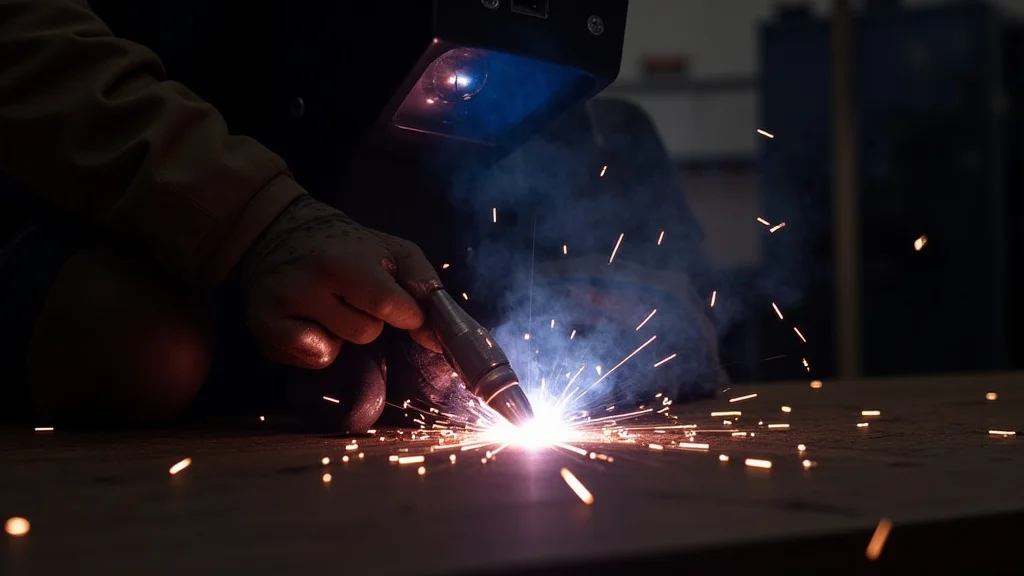
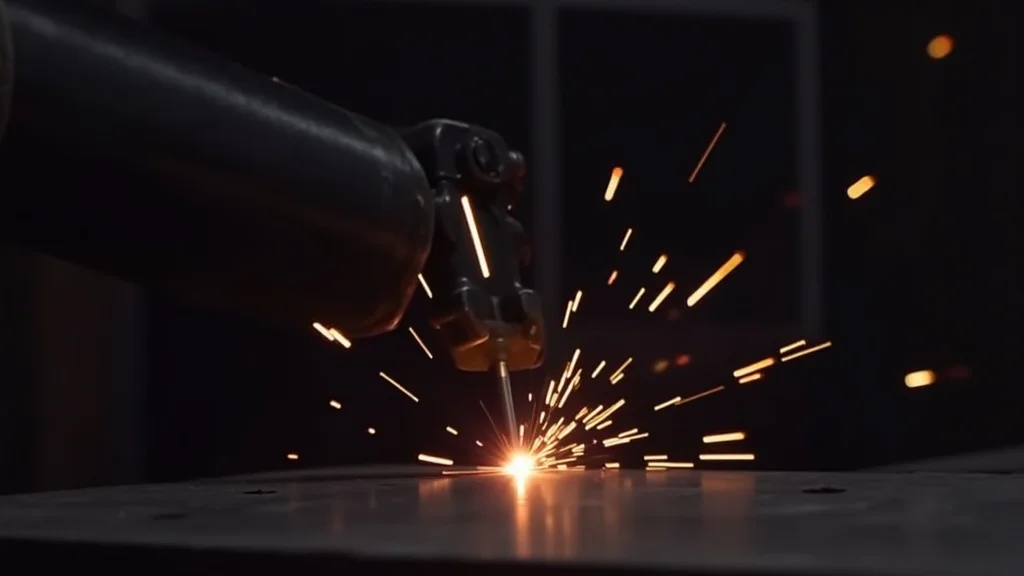
Sometimes, when you’re MIG welding, the gas flow isn’t quite right. This can be a bit tricky for folks just starting out. You might see a weak weld or get lots of spatter.
Don’t worry, it’s usually a simple fix! We’ll walk through the common causes and show you how to solve your MIG Welder Gas Flow Low Problem? Quick Fix.
Get ready to learn some easy steps to get your welder working like a champ again. We’ll cover what to check and how to fix it, so you can get back to welding smoothly.
Key Takeaways
- You will learn the most common reasons for low gas flow in MIG welding.
- This post will guide you on how to troubleshoot and fix these issues yourself.
- You will understand how different parts of your welder affect gas flow.
- You’ll discover simple checks you can do before and after welding.
- The article provides clear, step-by-step instructions for easy repairs.
- You will feel more confident in handling gas flow problems with your MIG welder.
Why Your MIG Welder Might Have Low Gas Flow
When you’re MIG welding, a steady stream of shielding gas is super important. This gas protects your molten metal from the air. If that gas flow drops too low, your welds can look bad.
You might see bubbles or cracks in your metal. This is a common problem for new welders. It’s not usually a big deal, but it stops you from making good welds.
Let’s figure out why this happens.
Understanding MIG Gas Flow
MIG welding uses a gas, like argon or a mix, to shield the weld puddle. The gas comes from a tank, goes through a regulator, then a hose, and finally out the MIG gun. Each part needs to work right for the gas to flow properly.
If any part has a problem, the flow can get low.
The gas flow rate is measured in cubic feet per hour (CFH) or liters per minute (LPM). The right flow rate depends on your welding situation, like the metal thickness and the type of gas. Too little gas means the weld is not protected.
Too much gas can cause turbulence and pull air into the weld.
Common Causes of Low Gas Flow
There are a few main reasons why your MIG welder might have low gas flow. We’ll go through them one by one.
1. Gas Cylinder Issues
The gas tank itself can be the problem. First, check if the tank is empty. It might sound silly, but it happens!
If the tank is not empty, the valve might not be fully open. Always make sure the tank valve is opened all the way. Some valves are a bit stiff, so you might need to use a bit of force.
Also, check the tank pressure. The regulator should show a good pressure reading. If the tank is almost empty, the pressure will be low, and so will the gas flow.
2. Regulator Problems
The regulator attaches to the gas tank. It controls the pressure coming out of the tank and sets the flow rate. If the regulator is faulty, it might not be letting enough gas through.
You might see a reading on the regulator, but the actual flow is low.
Sometimes, the regulator can get clogged. This can happen if dirt or moisture gets into the system. Check the regulator for any visible damage or blockages.
If you suspect the regulator is bad, it’s best to replace it. They aren’t too expensive, and a new one can solve many problems.
3. Hose Blockages or Leaks
The hose connects the regulator to your MIG gun. This hose can get kinked, pinched, or even blocked with debris. A kink in the hose will reduce the amount of gas that can pass through.
Make sure the hose is straight and not squeezed anywhere.
Leaks in the hose are also a big culprit. If there’s a hole or a loose connection, the gas will escape before it reaches the weld. You might hear a hissing sound if there’s a leak.
Check all the connections where the hose meets the regulator and the MIG gun. Tighten them up if they’re loose.
4. MIG Gun Issues
The MIG gun is where the gas comes out to protect your weld. There are a few things in the gun that can cause low gas flow. The contact tip is one of them.
If the contact tip is worn out or clogged with spatter, it can restrict gas flow. You should replace the contact tip regularly, especially if you see it looking damaged or dirty.
The gas nozzle is another part to check. The nozzle directs the gas around the arc. If the nozzle is clogged with spatter or debris, it can block the gas.
Clean the nozzle with a wire brush or a welding tip cleaner. Sometimes, the nozzle can be slightly bent, which can also affect gas flow.
Inside the gun, there’s a part called the gas diffuser. This part distributes the gas evenly before it goes into the nozzle. If the diffuser is damaged or clogged, it can cause poor gas flow.
Replacing the gas diffuser is usually a straightforward fix.
5. Dirty or Worn Parts
Over time, dirt and metal particles can build up in your gas system. This includes the regulator, hoses, and MIG gun parts. This buildup acts like a clog, slowing down the gas.
Regular cleaning and maintenance are key to preventing this.
Worn-out parts are also a common issue. Contact tips get larger as they wear. Nozzles can get damaged.
Even the internal parts of the MIG gun can wear down. When parts are worn, they don’t function as they should, leading to gas flow problems.
Troubleshooting Steps for Low Gas Flow
Let’s walk through how to fix your MIG Welder Gas Flow Low Problem? Quick Fix. Follow these steps:
Step 1: Check the Gas Cylinder
Start with the basics. Make sure your gas cylinder has enough gas. Look at the pressure gauge on the regulator.
It should show a good amount of pressure. If it’s low, you need to change the cylinder.
Next, check the cylinder valve. Make sure it is completely open. You should hear gas flowing when you open it.
Step 2: Inspect the Regulator
Look at your regulator. Is it set to the correct flow rate? Check the dial or gauge.
The recommended flow rate is usually around 20-30 CFH (cubic feet per hour) or 9-14 LPM (liters per minute) for most MIG welding. Check your welder’s manual for the best setting for your specific work.
Listen for any hissing sounds from the regulator. This could mean a leak. If the regulator seems to be stuck or not working right, it might need to be replaced.
Step 3: Examine the Hoses and Connections
Carefully trace the gas hose from the regulator to the MIG gun. Look for any obvious kinks, bends, or damage. Straighten out any kinks you find.
If the hose is cracked or damaged, you’ll need to replace it.
Check all the connections. Make sure the hose is securely attached to the regulator. Also, check the connection at the MIG gun.
Tighten any loose fittings. You can also do a simple leak test by spraying a little soapy water on the connections. If you see bubbles, there’s a leak.
Step 4: Clean and Inspect the MIG Gun
This is where many problems hide. First, remove the contact tip from the MIG gun. Check if it’s clogged with metal debris or spatter.
If it is, clean it with a wire brush or a tip cleaner. If the tip looks worn out (too large),
Next, remove the gas nozzle. Clean out any spatter or debris from inside the nozzle. You can use a chipping hammer to knock off large pieces and then a wire brush.
Make sure the gas ports inside the nozzle are clear.
Inside the gun, there’s a gas diffuser. You might need to unscrew the contact tip holder to get to it. Check the diffuser for damage or blockage.
If it looks clogged or broken, replace it. These parts are usually inexpensive.
Step 5: Perform a Flow Test
After checking and cleaning everything, it’s time to test the flow. Turn on the gas at the cylinder valve slowly. Then, press the trigger on your MIG gun without welding.
You should feel a strong puff of gas coming out of the nozzle.
You can also use a flow meter if you have one. This will give you an exact reading of the gas flow rate. Compare this to your recommended setting.
Preventative Maintenance for Your MIG Welder
To avoid future MIG Welder Gas Flow Low Problem? Quick Fix, it’s good to do some regular maintenance.
Clean your MIG gun parts, like the contact tip and nozzle, after every few uses. This stops spatter from building up and blocking gas flow.
Check your gas hoses for damage or leaks regularly. Make sure all connections are tight. Keep your gas cylinder upright and secure.
Store your MIG welder in a clean, dry place. This helps keep dirt and moisture away from the gas system.
| Part | Common Problem | Fix |
|---|---|---|
| Gas Cylinder | Empty or low pressure | Replace cylinder or open valve fully |
| Regulator | Faulty or clogged | Clean or replace |
| Hose | Kinked, pinched, or leaking | Straighten hose, tighten connections, or replace hose |
| Contact Tip | Clogged or worn | Clean or replace |
| Gas Nozzle | Clogged with spatter | Clean nozzle |
| Gas Diffuser | Damaged or clogged | Clean or replace |
Frequently Asked Questions
Question: How much gas flow do I need for MIG welding?
Answer: The typical gas flow rate for MIG welding is around 20-30 cubic feet per hour (CFH) or 9-14 liters per minute (LPM). However, this can change based on the type of gas, the thickness of the metal you are welding, and environmental conditions like wind. Always check your welder’s manual or consult welding charts for the best settings.
Question: How can I tell if my gas cylinder is empty?
Answer: The best way to know if your gas cylinder is empty is to check the pressure gauge on the regulator. If the gauge reads very low or zero, the cylinder is likely empty. You can also try to open the cylinder valve slightly (away from your face and any sparks) and listen for gas flow.
If you don’t hear or feel any gas, it’s probably empty.
Question: What happens if I use too much gas flow?
Answer: Using too much gas flow can actually hurt your welds. It can create turbulence around the weld puddle, which can pull air into the weld. This can lead to porosity (small holes) and weaker welds.
It also wastes gas, costing you more money.
Question: Can I use any gas for MIG welding?
Answer: No, you cannot use any gas. Different types of MIG welding require specific shielding gases. For steel, a mix of argon and CO2 is common.
Pure argon is often used for aluminum. Using the wrong gas can lead to poor weld quality, spatter, and other issues.
Question: My gas flow seems fine, but my welds are still not good. What else could be wrong?
Answer: If your gas flow is correct but your welds are still not great, other issues might be at play. Check your welding wire feed speed and voltage settings. Make sure your ground clamp is making good contact.
Also, ensure your welding technique is consistent, and that the metal you are welding is clean and free of rust, paint, or oil.
Final Thoughts
Fixing low gas flow on your MIG welder is usually straightforward. By checking the gas cylinder, regulator, hoses, and gun parts, you can find the problem. Often, it’s just a dirty contact tip or a loose connection.
Keeping your equipment clean and performing simple checks regularly will help prevent these issues. You’ll get better welds and save yourself frustration. Now you have the steps to get your gas flowing correctly.