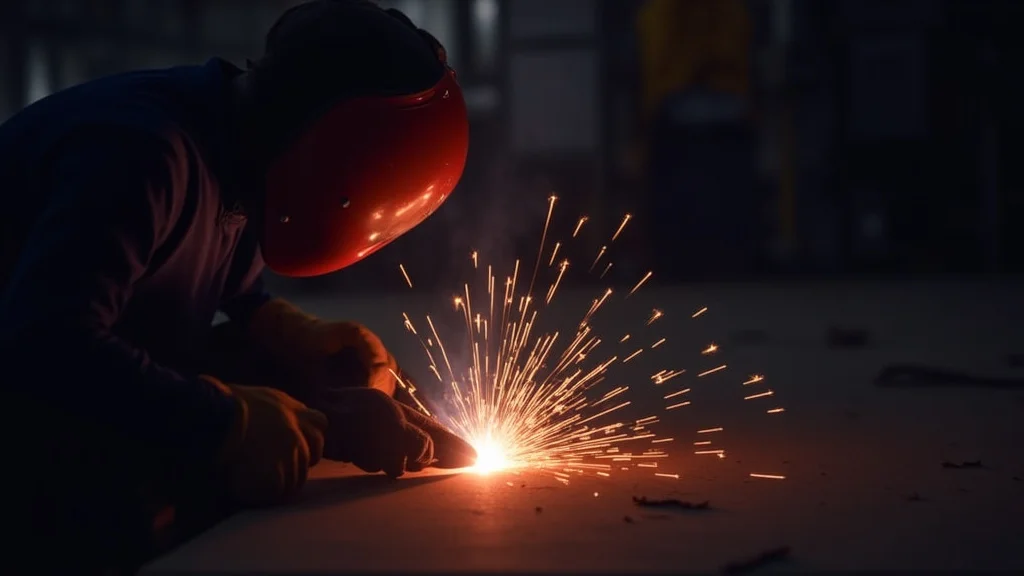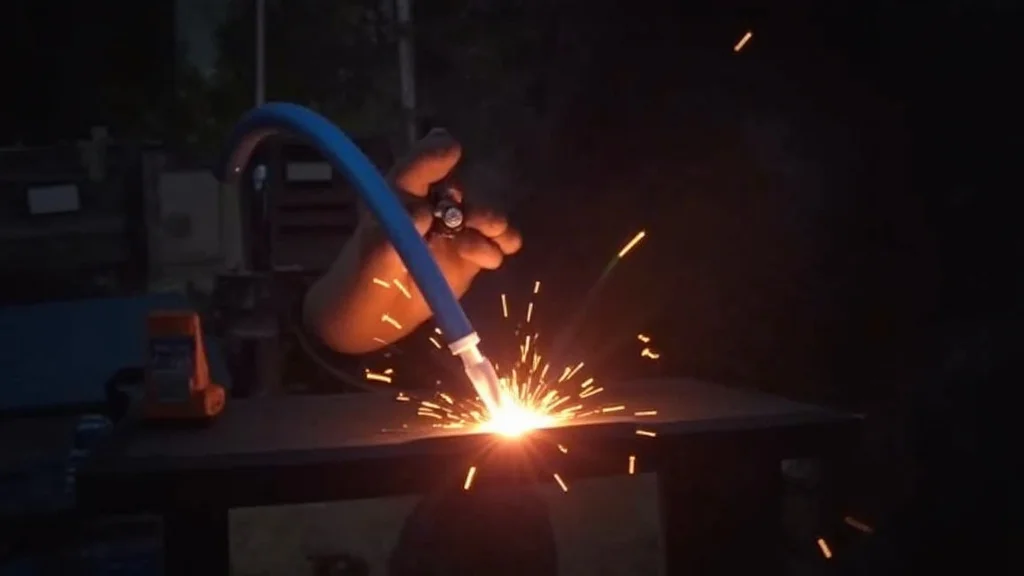
Many people starting out with MIG welding find themselves dealing with a lot of messy spatter. It’s like little blobs of metal that fly off the weld. This can make your projects look untidy and can be frustrating when you just want a clean finish.
But don’t worry! Learning How to Reduce Welding Spatter in MIG Machines is simpler than you might think. We’ll walk through easy steps that will help you get much cleaner welds.
After this, you’ll be able to make your projects look great.
Key Takeaways
- You will learn what causes welding spatter in MIG welding.
- We will cover how to adjust your MIG welder settings to minimize spatter.
- Simple techniques for wire manipulation and torch angle will be explained.
- The importance of proper shielding gas and its role in spatter reduction is discussed.
- Tips on choosing the right welding wire and contact tips will be provided.
- Maintenance and cleaning practices that help prevent spatter are outlined.
What is Welding Spatter and Why Does It Happen?
Understanding the Causes of Welding Spatter
Welding spatter happens when small droplets of molten metal break off the weld pool and scatter onto the surrounding base metal. Think of it like water boiling too vigorously – it splashes everywhere. In MIG welding, this molten metal comes from the welding wire, also called filler metal.
When this wire melts, it can break off into tiny balls instead of flowing smoothly into the weld. This isn’t just messy; it can weaken the weld if spatter lands where a strong joint is needed.
There are several common reasons why spatter occurs. One of the main culprits is incorrect voltage and wire speed settings on your MIG welder. If these are too high or too low, the arc can become unstable.
This instability causes those little metal blobs to fly off. Another big reason is issues with your shielding gas. This gas is super important because it protects the molten metal from the air.
If the gas flow is wrong, the weld isn’t protected, and spatter is more likely.
The type of welding wire you use also plays a part. Some wires are more prone to spattering than others. Even how you hold the welding gun and the angle you use can affect how much spatter you get.
So, it’s a mix of machine settings, materials, and your technique.
How to Adjust Your MIG Welder Settings for Less Spatter
Getting your MIG welder set up correctly is the first and most important step in reducing spatter. The main settings you’ll adjust are voltage and wire feed speed. These two are linked, and finding the right balance is key.
Voltage Explained
Voltage controls the arc length. A longer arc (higher voltage) can lead to more spatter because the electricity has to jump a bigger gap, causing more disruption. A shorter arc (lower voltage) usually results in less spatter and a more stable weld.
For beginners, it’s often better to start with a slightly lower voltage and gradually increase it if needed.
Wire Feed Speed Explained
The wire feed speed controls how fast the welding wire comes out of the gun. This speed directly affects how much heat is put into the weld. If the wire feed speed is too high for the given voltage, the wire can melt too quickly and violently, leading to spatter.
If it’s too low, you might not get enough heat, and the weld won’t be strong.
Finding the Sweet Spot
Most modern MIG welders have recommended settings charts. These charts are usually found inside the welder’s cover or in the manual. They will suggest starting voltage and wire speed based on the thickness of the metal you are welding and the type of wire you are using.
Always check these charts first.
Once you have your initial settings from the chart, do a test weld on a scrap piece of metal. Look at the weld. Is it smooth and consistent?
Are there a lot of spatter blobs? If you see too much spatter, you might need to slightly lower the voltage or adjust the wire feed speed. Often, a small tweak to either setting can make a big difference.
Experimentation is your friend here. Don’t be afraid to make small adjustments and test again. You are looking for a nice, crisp arc sound, similar to a sizzle, rather than a loud crackle or popping sound, which often indicates spatter.
The Role of Shielding Gas
Shielding gas is crucial in MIG welding. Its main job is to protect the molten weld pool from oxygen and nitrogen in the air. If the air gets into the molten metal, it can cause defects and, yes, more spatter.
The right amount and type of shielding gas are very important.
Gas Flow Rate
The flow rate of your shielding gas is usually measured in cubic feet per hour (CFH) or liters per minute (LPM). If the flow rate is too low, the gas won’t create a large enough protective bubble around the arc. This means the air will get in, and you’ll see more spatter.
If the flow rate is too high, the gas can actually blow away from the weld pool, also leading to contamination and spatter. It can also cause turbulence, which isn’t good for the weld.
A good starting point for most common MIG welding jobs is between 15 to 25 CFH for Argon/CO2 mixes, or 20 to 30 LPM. The best way to set this is to turn on the gas flow with the trigger pulled but not welding. You should feel a gentle, consistent stream of gas coming from the nozzle.
It shouldn’t feel like a strong wind, nor should it feel like just a whisper.
Gas Coverage and Drafts
Make sure there are no drafts around where you are welding. Fans, open windows, or even your own movement can disturb the shielding gas. This disruption means the gas isn’t protecting the weld properly, leading to spatter.
Try to weld in a calm, enclosed area if possible. Also, ensure your welding gun nozzle is clean and not clogged with spatter or debris, as this can affect gas flow.
Type of Shielding Gas
Different types of shielding gas mixtures are used for different metals and welding applications. The most common for steel is a mix of Argon and Carbon Dioxide (CO2). Pure Argon is typically used for aluminum.
The type of gas affects the arc characteristics and the amount of spatter. For general steel welding, a 75% Argon / 25% CO2 mix is very popular and usually provides a good balance with manageable spatter.
Wire Selection and Contact Tips
The welding wire itself and the small metal tip that the wire passes through (the contact tip) are also important factors in spatter control.
Choosing the Right Wire
Welding wires are rated for different types of metals and welding positions. Some wires are designed to produce less spatter. Look for terms like “low spatter” or “smooth arc” on the wire packaging.
The diameter of the wire also matters. Using a wire diameter that is appropriate for the thickness of the metal you are welding is important for achieving the correct heat input.
The Contact Tip
The contact tip is a small consumable part inside the welding gun’s nozzle. It’s where the welding wire gets its electrical connection. If the contact tip is worn out or damaged, it can cause an unstable arc and increase spatter.
You’ll notice if the tip is bad because the wire might not feed smoothly, or the arc might look “funny.”
A common problem is spatter building up inside and around the contact tip. This buildup can restrict the wire’s movement and the flow of electricity and shielding gas. It’s essential to keep the contact tip clean.
After each welding session, or even during long sessions, clean the tip with a wire brush or a special contact tip cleaner. If a tip is heavily damaged or clogged, it’s best to replace it. Contact tips are inexpensive, and replacing them regularly is a good maintenance practice.
Technique: Torch Angle and Travel Speed
How you move the welding gun has a big impact on spatter. Your technique matters just as much as your machine settings.
Torch Angle
In MIG welding, you generally want to push the weld pool rather than pull it. This is called the “push angle.” Aim the welding gun slightly in the direction you are traveling. A good starting point is a 5 to 15-degree push angle.
This helps the shielding gas flow over the weld pool effectively and can result in a cleaner weld with less spatter. If you “pull” the gun, the shielding gas can get pushed away, leading to more spatter and weld defects.
Travel Speed
Your travel speed is how fast you move the welding gun along the joint. If you move too fast, you won’t deposit enough filler metal, and the weld won’t be strong. If you move too slowly, you can overheat the metal, leading to excessive spatter and a wider, flatter bead that might not be desirable.
You are looking for a consistent speed that allows the arc to create a smooth, even bead. The bead should have a slight ripple pattern. If the ripples are too far apart, you’re moving too fast.
If they are too close or the weld looks like a blob, you might be moving too slowly. Pay attention to the sound of the arc and the appearance of the molten pool as you weld. It takes practice, but you’ll develop a feel for the right speed.
Maintenance and Cleaning
Keeping your MIG welding equipment in good shape is vital for consistent, clean welds. A little regular maintenance goes a long way in preventing spatter.
Cleaning the Nozzle
The welding gun nozzle directs the shielding gas and protects the contact tip. Spatter can stick to the inside and outside of the nozzle, obstructing gas flow and causing problems. Clean the inside of the nozzle regularly with a nozzle cleaning tool or a wire brush.
You can also use anti-spatter spray, which helps prevent spatter from sticking in the first place.
Checking Connections
Ensure all electrical connections are clean and tight. A loose connection can cause erratic welding and more spatter. This includes the connection between the welding cable and the machine, and the connection between the welding gun and the cable.
Wire Spool Inspection
Make sure the wire spool is mounted correctly and that the wire is feeding smoothly from the spool. A tangled or kinked wire will cause feeding issues and inconsistent welding, which can lead to spatter. Check that the spool tension is set appropriately.
Troubleshooting Common Spatter Issues
Sometimes, even with everything set correctly, you might still get spatter. Here’s how to fix some common problems:
Excessive Spatter with High Wire Speed
If you have high wire speed and lots of spatter, try reducing the voltage slightly. If reducing voltage too much makes the arc too long or weak, then you may need to reduce the wire speed as well, trying to find a balance.
Spatter Underneath the Weld Bead
This can happen if you are using too much voltage or pushing the gun too fast. Try reducing the voltage and slowing down your travel speed. Also, ensure you have a good push angle.
Inconsistent Spatter
Inconsistent spatter often points to a problem with wire feeding or shielding gas. Check your contact tip for wear or buildup. Make sure your drive rolls are clean and the tension is correct.
Check for any leaks in your gas hose or connections.
Frequently Asked Questions
Question: What is the most common reason for MIG welding spatter?
Answer: The most common reason for MIG welding spatter is incorrect voltage and wire feed speed settings on the welder, which create an unstable arc. Other major causes include poor shielding gas coverage and a worn-out contact tip.
Question: Can I use any type of wire with my MIG welder?
Answer: No, you need to use the correct type and diameter of welding wire for the metal you are welding. Always check your welder’s manual and the wire manufacturer’s recommendations for compatibility.
Question: How often should I clean or replace my MIG gun’s contact tip?
Answer: It’s a good practice to clean the contact tip regularly, ideally after every welding session or even during long sessions if you notice increased spatter.
Question: Does the distance from the contact tip to the work piece matter for spatter?
Answer: Yes, the stick-out distance (the length of the wire extending from the contact tip) significantly impacts spatter. A longer stick-out generally increases heat and can lead to more spatter. Aim for a consistent stick-out of about 1/4 to 1/2 inch for most steel welding.
Question: What is the purpose of anti-spatter spray?
Answer: Anti-spatter spray is applied to the welding gun nozzle and contact tip. It creates a barrier that prevents molten metal spatter from sticking to these parts. This helps maintain proper gas flow and electrical contact, reducing issues that can cause spatter.
Final Thoughts
Getting rid of welding spatter in MIG welding is all about fine-tuning your machine and your technique. Start by checking your welder’s settings for voltage and wire speed. Make sure your shielding gas is flowing correctly and that there are no drafts.
Keep your contact tip clean and replace it when it’s worn. Remember to use a slight push angle and maintain a steady travel speed. With practice and these simple adjustments, you’ll see a big improvement in your weld quality and a lot less mess.