Learning to stick weld can be a bit tricky at first, and one of the most common problems beginners face is the welder rod sticking to the metal. It’s frustrating when this happens, making it hard to get a good weld. But don’t worry!
This guide will show you exactly How Do You Prevent Stick Welder Rod from Sticking? with simple steps. We’ll cover what causes it and how to fix it so you can weld with confidence.
Key Takeaways
- Stick welding rod sticking is a common beginner issue.
- Proper electrode angle is key to preventing sticking.
- Maintaining the correct arc length is vital.
- Weld speed impacts whether the rod sticks.
- Selecting the right amperage for your rod and metal helps.
- Cleanliness of the base metal plays a role.
Understanding Why Your Stick Welder Rod Sticks
The Basics of Stick Welding
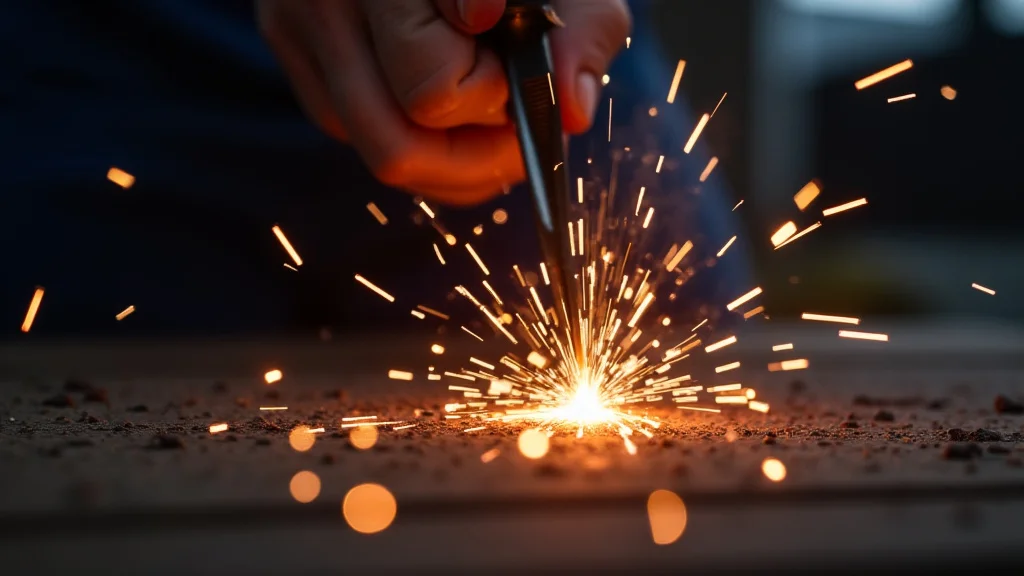
Stick welding, also known as Shielded Metal Arc Welding (SMAW), is a popular way to join metal. It uses an electrical arc to melt the rod and the base metal. This creates a strong bond as the molten metal cools.
The rod itself is coated with a flux that burns off, creating shielding gas to protect the weld pool from air. It also helps stabilize the arc and add alloying elements.
For beginners, the biggest hurdle is often controlling the arc. This control is what helps prevent the electrode from sticking. When the rod touches the workpiece for too long, it fuses to it, stopping the weld and creating a mess that needs to be cleaned up.
Learning to avoid this is a big step towards successful welding.
Common Causes of Rod Sticking
Several things can cause your stick welder rod to stick. The most frequent reason is holding the rod at the wrong angle. If you hold it too straight up and down, it’s more likely to land flat on the metal and stick.
Another big reason is using too short of an arc. An arc that’s too close to the metal acts like glue.
Moving too slowly can also make the rod stick. If the weld pool has too much time to build up around the end of the electrode without enough forward motion, it will grab hold. Incorrect amperage is also a culprit.
If the power is too low, the electrode won’t melt fast enough to keep up with your movement, leading to sticking. Finally, dirty metal can make it harder for the arc to establish and maintain a clean melt, sometimes resulting in sticking.
Simple Steps to Prevent Sticking
Setting the Right Amperage
Amperage is the amount of electrical current used for welding. Each welding rod has a recommended amperage range printed on its wrapper. For instance, a 1/8-inch 6013 rod might suggest a range of 40-70 amps.
It’s crucial to set your welder within this range. Lower amperages tend to make the rod stick more easily because the metal melts slower.
If you’re using a machine with AC/DC settings, DC (Direct Current) is often easier for beginners as it tends to have a more stable arc. For most common steel welding rods, DC Electrode Positive (DCEP) is a good starting point. Experimenting within the recommended range can help you find the sweet spot.
If the rod sticks, try increasing the amperage slightly. If you’re getting a lot of spatter and the weld pool is too runny, you might have the amperage too high.
Maintaining the Correct Arc Length
The arc length is the distance between the tip of the welding rod and the surface of the molten weld pool. This is perhaps the single most important factor in preventing rod sticking. Imagine you’re trying to keep a droplet of water from sticking to a hot pan; you need to flick it off quickly.
Similarly, in welding, you need to maintain a consistent, short arc.
A good rule of thumb is to keep the arc length roughly equal to the diameter of the electrode you are using. For a 1/8-inch rod, aim for an arc about 1/8-inch long. If the arc is too long, it becomes unstable, spattery, and the metal won’t melt properly, increasing the chance of sticking.
If the arc is too short, the electrode will dip into the weld pool and stick.
Proper Electrode Angle and Movement
Your electrode angle is how you hold the welding rod relative to the metal you are joining. For most basic stick welding on flat surfaces, you’ll want to hold the rod at a slight drag angle. This means tilting the rod slightly backward, in the direction you are moving.
A common angle is about 10 to 15 degrees.
This drag angle helps the flux and shielding gas protect the weld pool. It also helps the electrode burn away consistently. When you move the rod, it should be a smooth, consistent motion.
Don’t stop and start suddenly. A steady pace allows the electrode to melt and deposit metal without getting stuck.
Controlling Travel Speed
Travel speed is how fast you move the welding torch (or electrode holder) along the joint. If you move too slowly, the heat builds up in one spot, and the electrode can dip into the molten puddle and stick. If you move too quickly, the weld won’t have enough time to melt properly, creating a weak weld, and you might also pull the arc away too soon, causing it to stick.
Finding the right speed comes with practice. As you start your weld, let the electrode melt. Then, begin to move forward at a consistent pace.
You should see a small, stable weld puddle. If the puddle is getting too big and runny, you’re moving too slow. If it’s too small and the electrode seems to be dragging, you might be moving too fast.
The electrode should appear to be burning away steadily as you move.
Keeping Your Metal Clean
The surface you are welding on needs to be clean. Rust, paint, grease, or dirt can interfere with the electrical arc and the melting process. This contamination can cause the arc to be unstable and lead to the electrode sticking.
Before you start welding, use a wire brush to clean the area where you’ll be making your weld. For thicker rust or paint, you might need a grinder or sandpaper.
A clean surface allows the arc to establish properly and creates a good molten puddle. This makes it much easier to control the weld and prevent the rod from sticking. It also results in a stronger, cleaner weld joint.
Choosing the Right Welding Rod
There are many types of stick welding rods, each designed for different metals and welding positions. For beginners on mild steel, common choices are 6013 or 7018 rods. The 6013 rod is known for being easy to use, forgiving, and good for all positions.
The 7018 rod is a bit harder to start but creates a stronger weld and is less prone to porosity, though it needs to be kept dry.
Always check the manufacturer’s recommendations for the rod you are using. They will usually specify the correct amperage range and polarity (AC, DCEN, DCEP). Using the wrong rod for the job or not following its specific requirements can lead to problems like sticking.
Common Stick Welding Rod Types and Their Use
| Rod Type | Characteristics | Best For | Beginner Friendliness |
|---|---|---|---|
| E6013 | All-position, easy arc start, good for dirty metal, moderate penetration, produces slag. | General purpose welding, light to medium gauge steel, rusty or painted surfaces. | High – very forgiving. |
| E7018 | All-position, low hydrogen, requires clean metal, excellent strength, smooth bead, harder arc start, needs to be kept dry. | Structural steel, critical joints, medium to heavy gauge steel. | Medium – requires more practice for arc control and starting. |
| E6010 | All-position, deep penetration, good for dirty or rusty metal, spattery arc, produces a lot of slag. | Pipe welding, field repairs, single pass welds on dirty material. | Low – can be challenging due to arc characteristics. |
Troubleshooting: What to Do When the Rod Sticks
If your rod sticks, don’t panic. The first thing to do is to quickly pull the electrode away from the workpiece. Sometimes, a sharp flick of the wrist is enough to break the bond.
If it’s really stuck, you might need to twist the rod slightly while pulling. If you can’t break it free, turn off your welder.
Once you’ve freed the rod, you can try to restart the arc. If the metal got too hot or you made a mess, you might need to clean up the area with a wire brush or grinder. Then, try again, focusing on maintaining the correct arc length and movement.
Sometimes, a rod that sticks repeatedly might indicate the amperage is too low, so a small adjustment upwards could help.
Frequently Asked Questions
Question: Why does my stick welder rod keep sticking right when I start?
Answer: This usually happens when you touch the rod to the metal and don’t immediately pull it back slightly to establish the arc. Make sure you tap the rod and then pull it back just a little to create a short arc. Also, ensure your amperage is not too low.
Question: How do I know if my amperage is too high or too low for stick welding?
Answer: If the rod sticks frequently and the metal isn’t melting much, your amperage is likely too low. If you get excessive spatter, the weld puddle is very large and runny, or you’re burning through the metal too easily, the amperage is probably too high.
Question: Can the type of metal I’m welding affect rod sticking?
Answer: Yes, thinner metals are easier to burn through and can be more prone to sticking if you aren’t careful with your heat input and travel speed. Thicker metals might require higher amperage, and if that’s not set correctly, the rod can still stick.
Question: What is “rod stubbing” in stick welding?
Answer: Rod stubbing is when the electrode is too short and the holder gets very close to the workpiece, making it hard to maintain a proper arc length. This increases the chance of the electrode sticking or creating a poor weld. Always leave enough length on the rod to hold comfortably.
Question: How important is cleaning the metal before stick welding?
Answer: Cleaning the metal is very important. Rust, paint, oil, or dirt can cause the arc to be unstable, leading to poor weld quality and a higher chance of the rod sticking. A clean surface allows for a consistent arc and melt.
Final Thoughts
Learning How Do You Prevent Stick Welder Rod from Sticking? is a key skill for any beginner. By focusing on a few simple things, you can make a big difference. Keep your arc length short and consistent, move at a steady pace, and hold the rod at a slight drag angle.
Make sure your amperage is set correctly for the rod you are using, and always start with clean metal. These steps will help you create better welds and reduce frustration. Practice these techniques, and you’ll find your welding improves quickly.
Keep welding, and enjoy the process of getting better!