Picking the right TIG electrode for steel might seem tricky when you’re just starting out. It’s a common question because using the wrong one can make your welding harder and the weld look messy. But don’t worry!
We’ll make it simple with easy steps to help you pick the perfect electrode every time. Get ready to learn what electrode works best for your steel projects.
Key Takeaways
- You’ll learn how different electrode types work with various steels.
- You’ll discover the most popular electrodes for steel TIG welding.
- You’ll understand why the electrode’s color code matters.
- You’ll see how to match the electrode to your welding project needs.
- You’ll get clear advice for choosing the right TIG electrode for steel.
Understanding TIG Electrodes for Steel
TIG welding uses a non-consumable electrode to create the arc. This electrode carries the electric current to the workpiece. For steel, choosing the right electrode is important for a clean, strong weld.
Many beginners wonder, How Do You Choose TIG Electrode for Steel? This guide will break it down simply.
What is a TIG Electrode?
A TIG electrode, also called a tungsten electrode, is a rod made of tungsten or tungsten alloy. It doesn’t melt into the weld. Its job is to create and maintain the welding arc.
The type of tungsten you use affects the arc stability, heat input, and overall weld quality.
Why Different Electrodes for Steel?
Steel comes in many types, like carbon steel and stainless steel. Each type might respond a bit differently to the heat and arc. Also, how you’re welding—like on thin sheet metal or thick plate—calls for different amounts of heat and control.
The electrode helps you get that control.
Common TIG Electrode Types for Steel
When you look at TIG electrodes, you’ll see they have different colors on the end. These colors tell you what they’re made of and what they’re best for. For steel, a few types stand out as the most useful for most jobs.
Pure Tungsten (Green Band)
Pure tungsten used to be common, but it’s not the best for steel. It tends to ball up at the tip and can contaminate the weld. You might see it, but it’s usually not recommended for steel welding anymore.
Zirconiated Tungsten (Brown Band)
Zirconiated tungsten is a decent choice for AC welding on aluminum and magnesium. It offers good arc stability. However, for steel, other options are generally preferred.
Lanthanated Tungsten (Gold, Blue, or Black Band)
Lanthanated tungsten is very popular and works well for both AC and DC welding. It’s known for good arc stability, easy starting, and long life. It doesn’t create as much tungsten spitting as pure tungsten.
- Gold Band (1.5% Lanthanated): A good all-around choice for steel. It offers excellent arc starting and stability on both AC and DC.
- Blue Band (2% Lanthanated): Another excellent option. It’s very versatile and works well for a wide range of steel applications. It provides a stable arc and good longevity.
- Black Band (1% Lanthanated): Less common for steel, often used more for aluminum, but can be used.
Ceriated Tungsten (Grey or Orange Band)
Ceriated tungsten is a good choice for low-amperage DC welding, which is common for thinner steels. It starts easily and has good arc stability. It’s a good alternative to lanthanated when you’re welding on thinner materials.
Thoriated Tungsten (Red Band)
Thoriated tungsten was once very popular, especially for DC welding. It offers a very stable arc and good current capacity. However, thorium is radioactive, which is a concern for some welders.
For steel, while it works, many welders now prefer non-radioactive alternatives like lanthanated.
Rare Earth Tungsten (Various Colors – e.g., Purple, White)
These are newer types of electrodes that often contain a mix of rare earth oxides. They aim to offer superior arc stability and performance across different current types. They are often excellent choices for steel welding due to their versatility and performance.
Choosing the Right Electrode Diameter
Besides the material composition, the diameter of your tungsten electrode matters. It needs to match the amperage you’re using and the thickness of the steel you’re welding.
Amperage and Diameter Chart (General Guide)
Here’s a simple guide:
| Electrode Diameter (inches) | Amperage Range (DC) | Amperage Range (AC) |
|---|---|---|
| 0.040″ (1.0 mm) | 10-50 A | 10-40 A |
| 1/16″ (1.6 mm) | 40-100 A | 35-90 A |
| 3/32″ (2.4 mm) | 75-175 A | 70-160 A |
| 1/8″ (3.2 mm) | 150-250 A | 140-225 A |
Important Note: This is a general guide. Your welding machine and specific technique can also influence the best diameter.
Matching Diameter to Steel Thickness
- Thin Steel (under 1/8 inch): Use smaller diameter electrodes (0.040″ or 1/16″). This helps you control heat and avoid burning through.
- Medium Steel (1/8 to 1/4 inch): A 3/32″ electrode is often a good choice. It balances heat input and arc stability.
- Thick Steel (over 1/4 inch): A 1/8″ electrode is usually best for higher amperages and deeper penetration.
Grinding Your Tungsten Electrode
How you prepare your tungsten electrode tip is also key. The shape of the tip affects arc stability and performance.
DC Welding (Carbon Steels, Stainless Steels)
For DC welding, you want to grind the tungsten to a sharp point. This focuses the arc and helps with precise control. Grind the tungsten lengthwise, from the tip up towards the body, creating a conical shape.
Avoid grinding it flat or balling it up, as this makes the arc wander.
AC Welding (Less Common for Steel, but sometimes)
For AC welding, especially on aluminum, you’d typically grind the tungsten to a ball shape. However, since this guide focuses on steel, and most steel is welded on DC, a sharp point is usually preferred.
When to Use Which Electrode for Steel
Let’s put it together for steel. What’s the best choice?
For General Purpose Steel Welding (Carbon Steel and Stainless Steel)
Recommendation: 2% Lanthanated (Blue Band) or 1.5% Lanthanated (Gold Band).
- These electrodes are very versatile.
- They provide excellent arc stability for both thin and thicker steels on DC.
- They offer good longevity and are easy to start.
- They are a great choice for beginners and experienced welders alike.
- You can grind them to a sharp point for precise DC welding.
For Thin Gauge Steel
Recommendation: Ceriated (Grey or Orange Band) or 2% Lanthanated (Blue Band) with a smaller diameter (0.040″ or 1/16″).
- Ceriated offers great arc starting at lower amperages.
- Using a smaller diameter electrode gives you more control over heat, reducing the risk of burning through thin material.
- Grind to a sharp point for focused heat.
For Thick Steel or High Amperage Welding
Recommendation: 2% Lanthanated (Blue Band) or 1.5% Lanthanated (Gold Band) with a larger diameter (3/32″ or 1/8″).
- Larger diameter electrodes can handle higher amperages without melting or becoming unstable.
- Lanthanated options provide the arc stability needed for strong, deep welds.
- A sharp point is still preferred for focused penetration.
If You Have Thoriated Available (Use with Caution)
Recommendation: Thoriated (Red Band) for DC welding.
- It provides a very stable arc.
- It’s good for high amperages.
- Be aware of the radioactive nature of thorium. Always use proper ventilation and handling procedures if you choose to use it. Many prefer to avoid it now for safety reasons.
Frequently Asked Questions
Question: What is the best TIG electrode for welding mild steel?
Answer: For mild steel, 2% Lanthanated (blue band) or 1.5% Lanthanated (gold band) are excellent choices. They offer great arc stability and performance on DC welding, which is typically used for mild steel.
Question: Do I need a special electrode for stainless steel?
Answer: No, you can use the same electrodes that work well for mild steel. 2% Lanthanated (blue band) and 1.5% Lanthanated (gold band) are also very good for stainless steel due to their stable DC arc.
Question: Can I use the same electrode for AC and DC welding on steel?
Answer: While some electrodes like lanthanated can be used for both, steel is most commonly welded using DC. If you’re only welding steel, focusing on DC-optimized electrodes like lanthanated is best. Always ensure your machine is set to DC for steel.
Question: What happens if I use the wrong size tungsten?
Answer: If the tungsten is too small for the amperage, it can overheat and melt into your weld, causing contamination. If it’s too large, it can lead to an unstable arc and difficulty controlling heat.
Question: Is it okay for my tungsten to get hot?
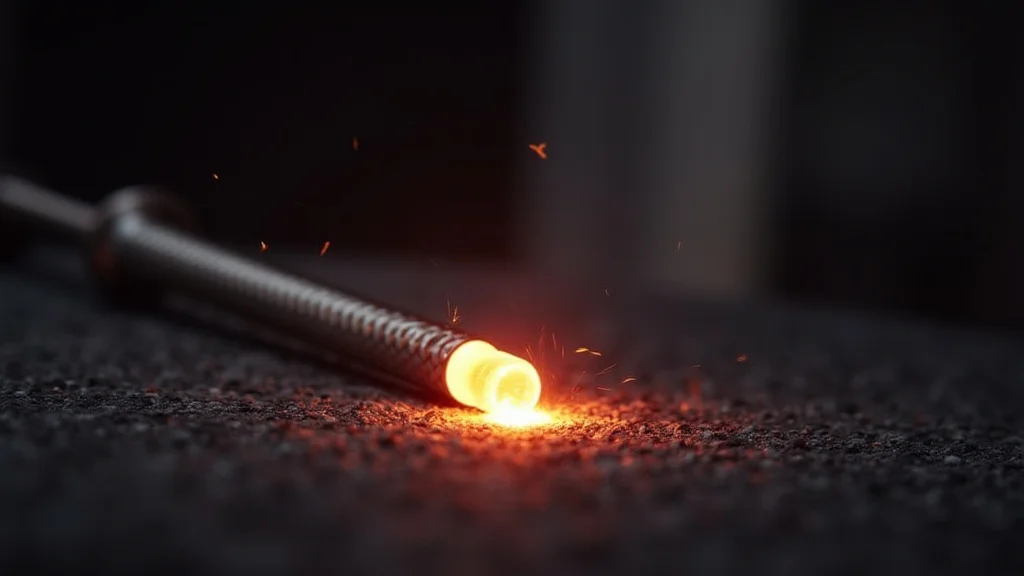
Answer: Your tungsten will get hot during welding, but it shouldn’t melt into the puddle. If it starts to glow very brightly, ball up, or melt, it usually means the amperage is too high for the electrode diameter, or the tungsten is contaminated.
Final Thoughts
Choosing the right TIG electrode for steel really comes down to a few simple things. For most steel jobs, stick with 2% Lanthanated (blue) or 1.5% Lanthanated (gold). These are super reliable and work well on both thin and thick steel when you use DC power.
Just remember to pick the right diameter for the metal thickness and grind your tungsten to a sharp point for best control. You’ve got this!