Learning to MIG weld is exciting, but sometimes the wire sticks to the metal and leaves a little melted ball. This is called burnback, and it can be confusing when you’re just starting out. Don’t worry!
It’s a common hiccup for many new welders, and fixing it is usually quite simple. We’ll walk through exactly what causes it and how to stop it from happening. Get ready to smooth out your welds and get back to creating!
Key Takeaways
- Burnback happens when the welding wire melts too far back, sticking to the metal.
- Voltage, wire speed, and stick-out length are the main things to check.
- Adjusting these settings can easily fix most burnback problems.
- Keeping your MIG gun tip clean and checking your connections helps prevent issues.
- Consistent practice with proper settings leads to better welds.
Understanding Burnback in MIG Welding
What is Burnback?
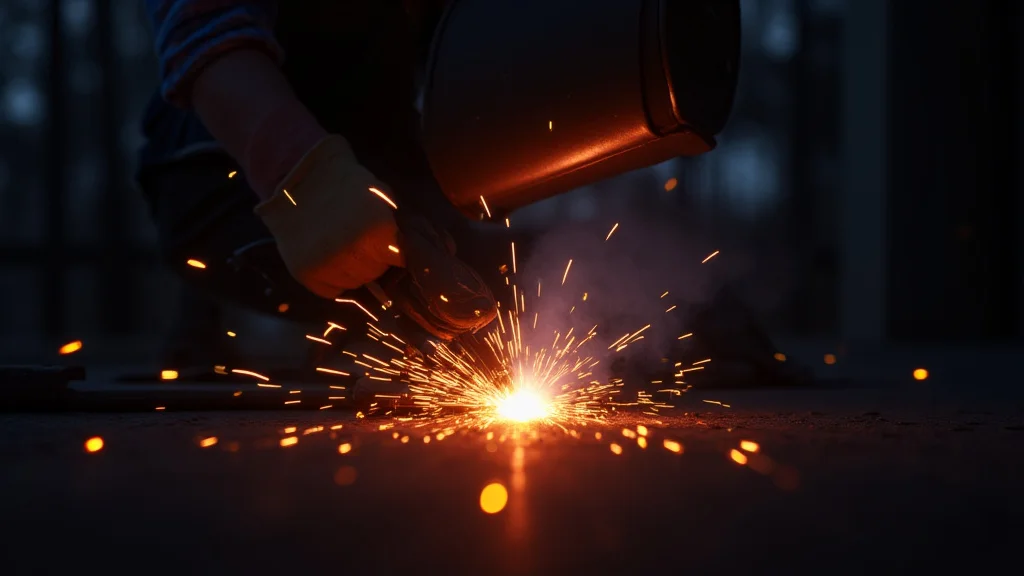
Burnback is a common problem in MIG (Metal Inert Gas) welding. It’s when the welding wire melts too far back inside the torch nozzle, often sticking to the workpiece itself. When this happens, you’ll usually see a little ball of melted metal at the tip of your wire or on the surface you’re welding.
It can make it hard to start a new weld and can leave your welds looking messy.
Why Does Burnback Happen?
Burnback happens when the heat from the arc is too much for the wire feed speed. Think of it like this: the wire is feeding into the weld pool, but the heat from the arc is melting it faster than it can feed. This excess heat causes the wire to melt back and stick.
Several factors can contribute to this, but they usually boil down to a few key settings on your welder.
Common Causes of Burnback
Incorrect Voltage Settings
Voltage controls the arc length. If your voltage is too high for the wire speed you are using, the arc will be too hot and long. This excess heat melts the wire back too quickly.
It’s like turning up the heat too high on a stove; things burn faster than you can cook them. You need a balance.
Wire Speed Too Low
The wire speed setting determines how fast the welding wire feeds out of the gun. If the wire speed is too low, the wire is not entering the weld puddle fast enough to keep up with the melting rate caused by the arc. The arc essentially “catches up” to the wire and melts it back too far.
A slower wire feed means more time for heat to affect the wire before it reaches the workpiece.
Excessive Stick-Out
Stick-out is the length of welding wire that extends beyond the tip of your MIG gun’s contact tip. If you have too much stick-out, more wire is exposed to the heat of the arc. This extra length has more time to heat up and melt back, increasing the chance of burnback.
A longer stick-out can also make the wire less stable, leading to an inconsistent arc.
Dirty Contact Tip
The contact tip is a small copper piece inside your MIG gun nozzle that the wire passes through. It’s also what carries the electrical current to the wire. If this tip gets clogged with spatter (small droplets of molten metal that fly off during welding) or dirt, it can cause poor electrical contact.
This can lead to an unstable arc and inconsistent wire feeding, both of which can contribute to burnback.
Poor Ground Connection
A good ground connection is essential for any welding process. If your ground clamp is loose or dirty, it can create resistance. This resistance can affect the voltage and current reaching the arc, leading to an unstable arc.
An unstable arc can cause the wire to melt back unexpectedly.
How to Fix Burnback Issues in MIG Welders: Step-by-Step Solutions
1. Adjust Your Voltage and Wire Speed
This is often the first and most effective fix. You need to find the right balance between voltage and wire speed for your specific metal thickness and wire type. Start with the welder manufacturer’s recommended settings for your material.
If you’re experiencing burnback, try these adjustments:
- Increase Wire Speed: This is usually the most direct way to combat burnback. Feeding the wire faster means it gets to the weld puddle quicker, outrunning the melting effect of the arc.
- Decrease Voltage: Lowering the voltage will shorten and stabilize the arc, reducing the overall heat. This makes it less likely for the wire to melt back too far.
Experiment by making small adjustments to one setting at a time. You are looking for a smooth, consistent arc with minimal spatter and no wire sticking. The goal is a “crackling” sound, not a “hissing” one.
A hissing sound often indicates the voltage is too high.
2. Control Your Stick-Out
Maintaining a consistent and appropriate stick-out is key. For most common MIG welding applications, a stick-out of about 1/4 inch to 1/2 inch (6mm to 13mm) is ideal. Keep your MIG gun perpendicular to the workpiece and try to hold it at a consistent distance.
This ensures the wire is entering the weld puddle at the right rate and is not excessively exposed to the arc’s heat.
Practice holding your gun steady and maintaining that distance. It takes a little practice, but it makes a big difference in weld quality and helps prevent burnback.
3. Clean Your Contact Tip Regularly
Spatter build-up on the contact tip is a major cause of poor welding performance, including burnback. Make it a habit to clean your contact tip before each welding session, or more often if you notice an inconsistent arc. You can use a wire brush or a small file to gently remove any built-up spatter.
If the tip is heavily damaged or clogged, it’s best to replace it. Most MIG guns have easily replaceable contact tips.
4. Ensure a Solid Ground Connection
A clean and secure ground connection is vital. Make sure your ground clamp is attached to clean, bare metal on your workpiece or welding table. Remove any paint, rust, or grease that might be preventing good electrical contact.
Check that the clamp itself is tight and not damaged. A solid ground ensures consistent power delivery to the arc.
5. Check Your Wire Feed System
Sometimes, the problem might be with the wire itself or the feeding mechanism.
- Wire Tension: Ensure the tension on your drive rolls is set correctly. Too loose and the wire will slip; too tight and it can deform the wire or even damage the drive motor.
- Drive Roll Grooves: Make sure the grooves in your drive rolls match the diameter and type of your welding wire.
Using the wrong size groove can cause feeding issues.
- Wire Condition: Kinks or knots in the welding wire can cause feeding problems and inconsistent arc performance. If your wire is kinked, it’s best to cut it back to a straight section or replace the spool.
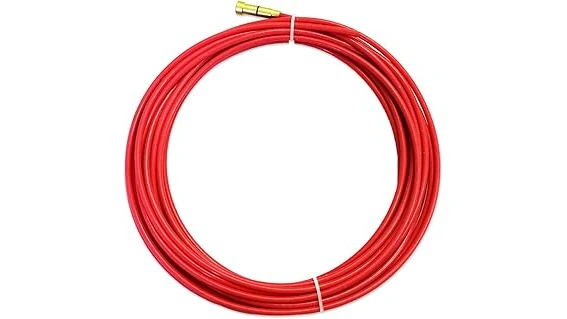
- Liners: The liner inside your MIG gun provides a smooth path for the wire. If it’s damaged or kinked, it can impede wire feed.
6. Use the Right Wire for the Job
Different welding wires are designed for different metals and welding positions. Using the wrong type of wire can lead to poor weld quality and arc instability. Always ensure you are using a wire appropriate for the material you are welding and your shielding gas setup (if applicable).
7. Inspect Your MIG Gun and Cable
A damaged MIG gun cable or torch assembly can cause electrical issues. Check for any signs of wear, cuts, or burns on the cable. Ensure all connections, including the connection to the welder, are secure.
A faulty torch can lead to inconsistent power and erratic feeding.
Troubleshooting Table
| Problem | Likely Cause | Solution |
|---|---|---|
| Wire sticks to tip after welding | Voltage too high, wire speed too low, or excessive stick-out | Decrease voltage, increase wire speed, or shorten stick-out |
| Wire melts too far back into nozzle | Voltage too high, wire speed too low, or arc length too long | Decrease voltage, increase wire speed, or adjust stick-out |
| Inconsistent arc, lots of spatter | Dirty contact tip, poor ground connection, or incorrect settings | Clean tip, check ground, adjust voltage/wire speed |
| Wire feeding inconsistently | Wire tension too loose/tight, kinked wire, or damaged liner | Adjust tension, straighten/replace wire, check liner |
Frequently Asked Questions
Question: What is the most common reason for burnback?
Answer: The most common reasons are your voltage being too high for your wire speed, or your wire speed being too low to keep up with the arc’s heat.
Question: How much stick-out should I use?
Answer: For most general welding, a stick-out of about 1/4 inch to 1/2 inch (6mm to 13mm) is good. You want it consistent.
Question: Do I need to clean my contact tip every time?
Answer: It’s a good habit to clean your contact tip before you start welding, especially if you notice any spatter build-up or an inconsistent arc. It helps prevent problems.
Question: Can I fix burnback by just changing one setting?
Answer: Often, you can fix it by adjusting just one setting, like increasing the wire speed. However, sometimes you need to make small adjustments to both voltage and wire speed to find the perfect balance.
Question: What if I’m still getting burnback after trying these tips?
Answer: If you’ve tried these common fixes and are still having trouble, it might be worth checking your welder’s manual for specific troubleshooting or consulting a welding professional. There could be a more subtle issue with the machine.
Final Thoughts
Fixing burnback issues in MIG welding is a matter of making a few key adjustments. By understanding that burnback happens when the heat melts the wire faster than it feeds, you can target the problem areas. Always start by checking your voltage and wire speed settings, aiming for a balanced, stable arc.
Then, pay attention to your stick-out length and keep your contact tip clean. A good ground connection and a smooth wire feed system are also important. With a little practice and by following these simple steps, you’ll be able to eliminate burnback and create cleaner, stronger welds.