Welding is a great skill, but it can create fumes you don’t want to breathe. Knowing How Do You Protect Yourself from Welding Fumes? is super important, especially when you’re just starting out. It might seem tricky, but it’s really about simple steps.
We’ll walk you through it clearly. Ready to learn how to stay safe? Let’s get started by looking at the main points.
Key Takeaways
- You will learn about the dangers of welding fumes.
- We will explain different types of fume extraction systems.
- You will discover the importance of personal protective equipment (PPE) for fume protection.
- The article will cover proper ventilation techniques for welding.
- You will find out how to choose the right respirator for welding.
- We will discuss best practices for a safe welding environment.
Understanding Welding Fumes
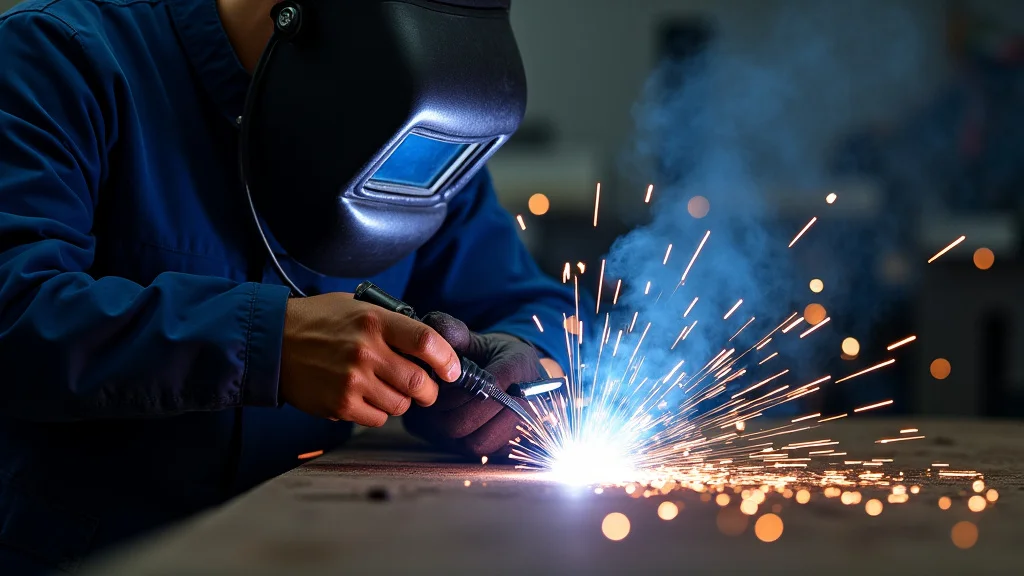
When you weld, heat melts metal and coatings. This creates tiny particles and gases that float in the air. These are called welding fumes.
They can be different colors and have different smells. Breathing these fumes can make you sick.
Some fume particles are very small. They can go deep into your lungs. Other fumes are gases that can cause breathing problems.
The exact danger depends on the type of metal you are welding and any coatings it has. For example, welding galvanized steel creates a lot of zinc fumes, which can make you very ill quickly.
Long-term exposure to welding fumes can cause serious health issues. These can include lung diseases like asthma, bronchitis, and even cancer. It’s not just about feeling sick right away; it’s about protecting your health for years to come.
Why Are Welding Fumes Dangerous?
Welding fumes are a mix of many things. They often contain metal oxides, such as iron, aluminum, and manganese. They can also have gases like ozone and nitrogen oxides.
Some of these substances are known to be harmful.
The danger level changes based on what you’re welding. Stainless steel fumes contain chromium and nickel, which are known carcinogens. Aluminum fumes can cause “metal fume fever,” a flu-like illness.
Even common mild steel fumes can cause breathing issues if you breathe them in too much.
The heat from welding makes these substances turn into tiny, invisible particles. Your body’s natural defenses have a hard time filtering them out. This is why protecting your airways is so vital.
Health Effects of Welding Fumes
The health effects from breathing welding fumes can be short-term or long-term.
Short-Term Effects:
- Metal Fume Fever: This feels like the flu. You might get a fever, chills, muscle aches, and nausea. It usually goes away within a day or two.
- Irritation: Fumes can irritate your eyes, nose, and throat. This can cause coughing, sneezing, and a sore throat.
- Breathing Difficulties: Some fumes can make it hard to breathe, causing shortness of breath or chest tightness.
Long-Term Effects:
- Lung Diseases: Repeated exposure can lead to conditions like asthma, chronic bronchitis, and emphysema.
- Cancer: Certain welding fumes, like those from stainless steel, are linked to an increased risk of lung and other cancers.
- Neurological Issues: Some metal fumes, like manganese, can affect the nervous system over time.
Controlling Welding Fumes: The First Line of Defense
The best way to handle welding fumes is to control them at the source. This means stopping them from spreading into the air you breathe.
Local Exhaust Ventilation (LEV)
Local exhaust ventilation, or LEV, is a system that captures fumes right where they are made. It uses hoods or nozzles to pull the fumes away from the welding area and into a filter or outside.
Types of LEV Systems:
- Fume Extractors: These are common, portable units that have a flexible arm with a hood. You position the hood close to the weld.
- Downdraft Tables: These tables have holes that pull fumes down and away from the welder. They are good for smaller welding jobs.
- Booth Ventilation: For larger shops, welding booths can be designed with built-in exhaust systems that pull fumes out of the entire area.
Using LEV systems correctly is key. The hood needs to be close enough to the welding arc to capture the fumes effectively. It’s also important to make sure the system is powerful enough for the type of welding you are doing.
General Ventilation
While LEV is best, general ventilation helps too. This means having fresh air enter the workspace and polluted air leave. Open doors, windows, or use fans to keep the air moving.
Good general ventilation helps dilute any fumes that escape LEV systems. However, it’s not a substitute for capturing fumes at the source. Think of it as a backup safety measure.
Personal Protective Equipment (PPE) for Fume Protection
Even with good ventilation, you often need personal protective equipment. This is your last line of defense.
Respirators
Respirators are designed to filter the air you breathe. They come in different types, and choosing the right one is important.
Types of Respirators:
- Disposable Respirators (Dust Masks): These are the simplest kind. They offer some protection against larger particles but are usually not enough for welding fumes.
- Half-Face Respirators: These cover your nose and mouth and have replaceable cartridges. The cartridges filter out specific particles and gases.
- Full-Face Respirators: These cover your entire face, offering protection for your eyes as well. They also use replaceable cartridges.
- Powered Air-Purifying Respirators (PAPRs): These have a battery-powered fan that blows filtered air into a hood or helmet. They offer a higher level of protection and are more comfortable for long periods.
The type of respirator you need depends on the welding process and the fumes produced. Always check the manufacturer’s recommendations and follow safety guidelines.
Choosing the Right Respirator Cartridges:
Respirator cartridges are specialized. For welding fumes, you’ll typically need cartridges that filter out both particles and certain gases.
- P100 Filters: These are highly efficient filters for very fine particles.
- Organic Vapor/Acid Gas Cartridges: These can help filter out some of the harmful gases produced during welding.
It’s vital to replace cartridges regularly. Used cartridges become less effective over time. The smell of fumes is a sign that your filter may be overwhelmed.
Other Essential PPE
While not directly for fumes, other PPE plays a role in your overall safety, which indirectly helps you manage fume exposure.
- Welding Helmet: Protects your eyes and face from UV light and sparks. Some helmets have built-in air-purifying systems.
- Welding Gloves: Protect your hands from heat and sparks.
- Flame-Resistant Clothing: Protects your skin from burns and sparks.
Welding Process and Fume Production
Different welding processes create different amounts and types of fumes. Knowing this helps you choose the right protection.
Common Welding Processes and Their Fumes
| Welding Process | Fume Characteristics | Protection Needs |
|---|---|---|
| Shielded Metal Arc Welding (SMAW) / Stick Welding | High fume production, contains metal oxides and flux ingredients. | Strong LEV and P100 respirator with specific gas cartridges. |
| Gas Metal Arc Welding (GMAW) / MIG Welding | Moderate to high fume production, especially with flux-cored wire. | LEV and P100 respirator are usually sufficient. |
| Gas Tungsten Arc Welding (GTAW) / TIG Welding | Lower fume production than MIG or Stick, but can produce ozone and nitrogen oxides with certain gases. | Good ventilation, possibly a basic respirator for longer sessions. |
| Flux-Cored Arc Welding (FCAW) | Very high fume production due to the flux in the wire. | Very strong LEV and a high-level respirator (P100 or PAPR) are essential. |
Materials also matter a lot. Welding coated metals, like galvanized steel or painted surfaces, releases dangerous fumes from those coatings. Always identify the material you are welding.
Creating a Safe Welding Environment
A safe welding environment is one where risks are minimized. This involves good practices and constant awareness.
Positioning and Workspace
Where you weld and how you position yourself matters. Try to weld with your head out of the fume plume. If possible, position yourself so that ventilation systems can draw fumes away from you.
Keep your welding area clean and organized. This reduces trip hazards and makes it easier to implement ventilation and safety measures.
Workplace Monitoring
In professional settings, air monitoring can be done to check fume levels. This ensures that ventilation systems are working and that exposure limits are not exceeded.
For hobbyists, being aware of your surroundings and any smells or discomfort is a form of monitoring. If you can smell fumes, you are likely breathing them in.
Training and Awareness
Understanding the risks is the first step to avoiding them. Proper training on welding safety, including fume control, is crucial for everyone who welds.
Always stay updated on safety best practices. Share what you learn with others to create a safer welding community.
Frequently Asked Questions
Question: What are the most common welding fumes that cause health problems?
Answer: The most common welding fumes that cause health problems are metal oxides like iron, manganese, and chromium, as well as gases like ozone and nitrogen oxides. These can irritate your lungs and lead to long-term issues.
Question: How do I know if my welding ventilation is working?
Answer: You’ll know your ventilation is working if you can’t see or smell welding fumes in your breathing zone. If you can smell or see fumes, the system might not be strong enough or positioned correctly.
Question: Can I just use a regular dust mask for welding fumes?
Answer: No, a regular dust mask is usually not enough. Welding fumes are very fine and can contain gases. You need a respirator with specific filters designed for metal particles and gases.
Question: How often should I change my respirator cartridges?
Answer: You should change your respirator cartridges based on the manufacturer’s recommendations, the type of welding, and the environment. If you start to smell or taste fumes, it’s time to change them immediately.
Question: Is welding outdoors safer than welding indoors regarding fumes?
Answer: Welding outdoors can be safer because of the natural air movement, which helps disperse fumes. However, you still need to be aware of wind direction and may still need LEV and a respirator if fumes are concentrated.
Final Thoughts
Knowing How Do You Protect Yourself from Welding Fumes? makes a big difference in your health and safety. You learned that fumes are tiny particles and gases from melting metal. Breathing them can cause immediate and long-term problems.
The best protection comes from controlling fumes at the source with ventilation. Using a fume extractor is a great way to do this. Personal gear, like the right respirator, adds another layer of safety.
Always pick the right gear for the job and the materials you use.
Staying safe means being aware and using the right tools. With these simple steps, you can enjoy welding and keep your lungs healthy. You’ve got this!