Many people learning to weld wonder, How Do You Maintain Welding Cables and Leads? It can seem a bit confusing at first because these parts are super important. Good care keeps your welder working well and keeps you safe. Don’t worry, it’s not hard!
We’ll go through it step-by-step to make it easy. First, let’s look at the main things you need to know.
Key Takeaways
- Regularly check your welding cables for damage like cuts or frays.
- Keep cables clean and free from oil, grease, and sharp objects.
- Proper storage prevents kinks and damage when not in use.
- Inspect connections for tightness and corrosion.
- Understand the impact of cable size and length on performance.
- Learn how to make simple repairs to extend cable life.
Why Cable Care Matters
Welding cables and leads are the lifeline of your welding machine. They carry the power from the welder to the welding torch or stick. If they get damaged, your welding might not work right.
You could get a bad weld, or worse, it could be unsafe. Power can arc out unexpectedly if a cable is frayed or has a hole. This is a big fire risk and can hurt you.
Think of your cables like the hoses for a water faucet. If a hose has a leak, you lose water pressure. If a welding cable is damaged, you lose power.
This means your arc won’t be as strong or stable. Keeping them in good shape means your welder always performs its best. It also saves you money because you won’t have to replace them as often.
For beginners, the idea of welding equipment can be a lot to take in. Cables might seem like just wires. But they are special, heavy-duty wires designed for high current.
Learning to care for them is a basic but vital skill. It shows you’re taking your welding seriously and working safely.
Inspecting Your Welding Cables and Leads
The first step in good maintenance is regular checking. You need to look closely at your cables often. Do this before every welding session.
It only takes a minute or two but can prevent big problems.
What to Look For
When you inspect your cables, keep an eye out for several things. The outer rubber or plastic coating is what you see first. It protects the wires inside.
Look for any cuts, nicks, or tears in this coating. Even small ones can let moisture or debris in. This can cause corrosion or electrical shorts.
Check for any signs of melting or burning. This can happen if the cable is overloaded or has a bad connection. Also, look for kinks or sharp bends.
These can damage the wires inside the cable. Don’t forget to check the entire length of the cable, from the welder to the end.
Checking the Leads
Welding setups often have two main leads: the electrode lead (or stick lead) and the ground lead. The electrode lead connects to your welding electrode holder or TIG torch. The ground lead connects to your work clamp.
Both need the same careful inspection.
The ground lead is especially important for a good weld. A poor ground connection will give you a weak arc. Make sure the clamp itself is clean and makes good contact with the metal you are welding.
The cable going to the clamp should also be in good condition.
Cleaning Your Welding Cables and Leads
Dirt, oil, and grease can build up on your welding cables. This isn’t just messy; it can cause problems. Oil and grease can make the rubber coating brittle over time.
They can also attract dirt and metal shavings, which can cause damage.
How to Clean
Cleaning is simple. Use a clean, damp cloth to wipe down the cables. For stubborn grease or oil, you can use a mild soap and water solution.
Rinse the cloth well and wipe again to remove any soap residue. Make sure the cables are completely dry before you use them or store them.
Avoid using harsh chemicals or solvents. These can damage the cable’s outer jacket. Also, never use abrasive cleaners or stiff brushes.
They can scratch the surface and weaken the material.
Proper Storage for Welding Cables and Leads
How you store your cables when you’re not welding is just as important as how you use them. Improper storage can lead to kinks, tangles, and damage.
Coiling Cables
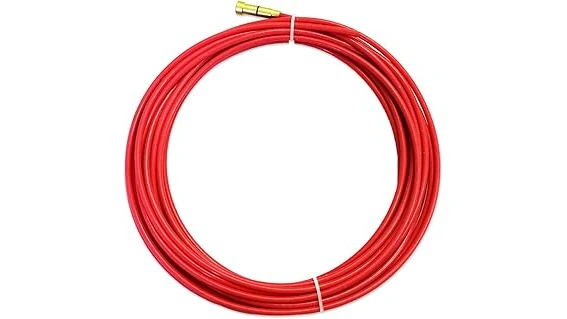
Always coil your cables loosely. Avoid coiling them too tightly, as this creates stress on the wires inside. The best way is to make large, gentle loops.
You can use a Velcro strap or a cable tie to keep the loops together. This keeps them neat and prevents them from unraveling and getting stepped on.
Storage Location
Store your cables in a dry place, away from sharp objects and extreme temperatures. A dedicated cable rack or a storage bin can help. Keep them out of the way so they don’t become a tripping hazard or get run over by equipment.
Avoid leaving them lying on the ground, especially in areas with potential for sparks or hot metal.
Checking Connections
The points where your cables connect to the welder and to your welding accessories are critical. Loose or corroded connections can cause power loss and overheating.
The Welder Connection
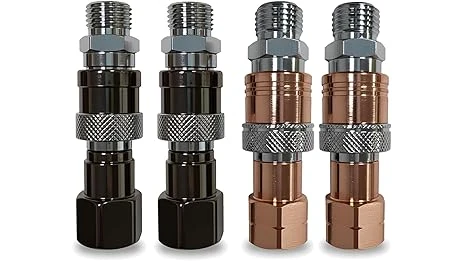
Most welding machines have quick-connect fittings for the electrode and ground leads. Make sure these connections are clean and tight. Sometimes, you might need to use a wire brush to clean the metal contacts if you see any corrosion.
Ensure the plugs are fully seated.
The Electrode Holder and Ground Clamp Connections
The cables also connect to your electrode holder and ground clamp. These connections need to be secure. If you have a clamp-on style, ensure the screws are tight.
If it’s a plug-in type, make sure it’s fully inserted and locked.
Signs of Trouble
If you notice any heat discolouration or melting around the connection points, this is a serious warning sign. It means there’s too much resistance, and the connection needs immediate attention. This could be due to a loose connection or a damaged cable end.
Cable Size and Length Considerations
The size (gauge) and length of your welding cables affect how well your welder performs. Using the wrong size can lead to poor welding performance and potential damage.
Understanding Gauge
Welding cables come in different gauges, similar to household electrical wires. A smaller gauge number means a thicker cable, which can carry more current. Your welding machine will recommend a specific cable size based on its amperage output and the duty cycle.
Using a cable that is too small for the amperage can cause it to overheat. This can damage the insulation and reduce its lifespan. It also creates more resistance, meaning less power reaches your arc.
Length Matters
Longer cables have more resistance than shorter ones. If you need to use very long cables, you might need to use a thicker gauge to compensate for the increased resistance. For example, if your welder typically uses a 1/0 cable for 50 feet, you might need a 2/0 cable for 100 feet to maintain the same performance.
Always refer to your welder’s manual for recommended cable sizes and lengths. Using the correct size ensures optimal performance and safety.
Simple Cable Repairs
Sometimes, you might get a small nick or cut in your cable. If it’s not too severe, you might be able to repair it yourself. This can save you money and keep your equipment running.
Minor Cuts and Nicks
For very minor cuts where the outer jacket is damaged but the inner wires are intact, you can use heavy-duty, self-fusing silicone tape. Clean the area well and wrap the tape tightly around the damaged spot. Overlap each layer by about half.
This provides some protection and insulation.
More Significant Damage
If the inner wires are exposed or the damage is more extensive, a simple tape repair might not be enough. You might need to splice in a new section of cable. This involves cutting out the damaged part and using a crimp connector specifically designed for welding cables.
This type of repair requires the right tools and connectors.
If you’re not comfortable with making electrical repairs, it’s always best to have a professional do it. A bad repair can be a safety hazard.
Maintaining the Welding Machine Connections
The connections on your welding machine itself are very important. These are the points where the electrode and ground leads plug in. Keeping these clean and tight is crucial for efficient welding.
Cleaning the Plugs and Receptacles
Over time, the metal plugs on your leads and the receptacles on your welder can get dirty or corroded. Use a wire brush to gently clean both the male plugs on the leads and the female receptacles on the machine. You can also use electrical contact cleaner.
Make sure everything is dry before plugging them back together.
Tightening Connections
Some welding machines have screw-type terminals for the leads. Ensure these are always tightened down securely. A loose terminal can create resistance and heat.
This can melt the plastic around the terminal and damage the machine.
Protecting Cables from Heat and Sparks
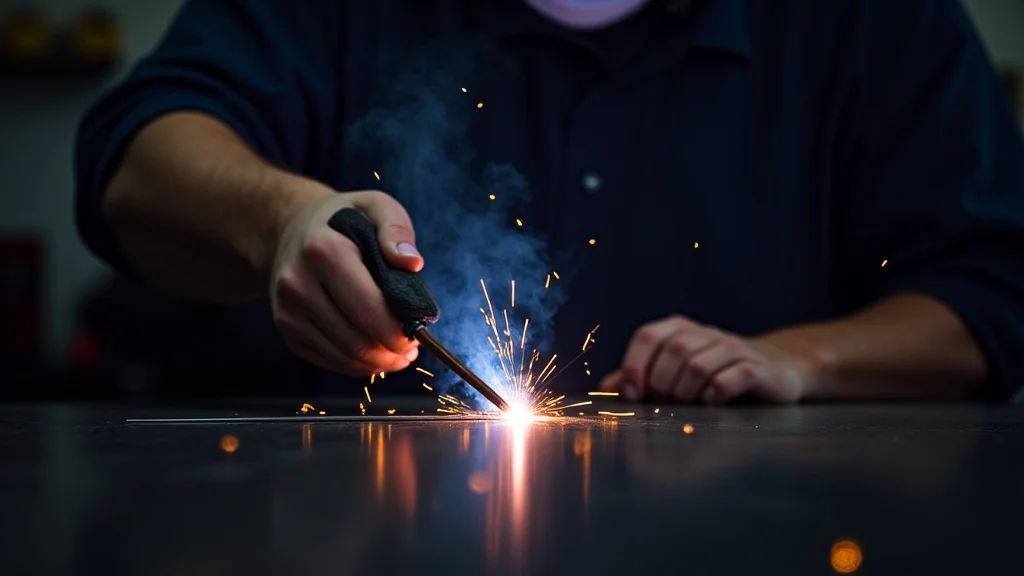
Welding creates a lot of heat and sparks. These can quickly damage your welding cables if they are not protected. Welding cables are designed to be tough, but they are not fireproof.
Using Cable Protectors
When you are welding in areas with a lot of spatter or hot slag, consider using cable protectors. These can be made of heavy-duty rubber or fire-resistant materials. They wrap around the cable and shield it from direct heat and sparks.
Awareness of Surroundings
Always be mindful of where your cables are. Don’t lay them across hot workpieces or in the path of grinding sparks. If you are welding on a metal deck, try to keep cables off the hot surface.
You can use cable stands or lay them across a cooler area.
When to Replace Welding Cables
Even with the best maintenance, cables will eventually wear out. Knowing when it’s time to replace them is important for safety and performance.
Signs of End-of-Life
If you see widespread cracking or degradation of the outer jacket, it’s a sign the cable is old and needs replacement. If the internal conductors are visible through the insulation, do not use the cable. Any cable that has been severely melted or kinked to the point of internal damage should be replaced.
Also, if you’re experiencing persistent welding problems that you can’t fix by adjusting other settings, your cables might be the issue. Poor connections, internal breaks, or excessive resistance can all affect weld quality.
Frequently Asked Questions
Question: How often should I inspect my welding cables?
Answer: It’s best to inspect your welding cables before every welding job. A quick visual check can catch potential problems early.
Question: Can I use regular electrical extension cords as welding cables?
Answer: No, you should never use regular electrical extension cords for welding. Welding cables are specifically designed to handle the high amperage and the rough conditions of a welding environment. Regular cords can overheat, melt, and cause fires or electrical shocks.
Question: What happens if my ground clamp connection is loose?
Answer: A loose ground clamp connection creates high resistance. This can lead to a weak or inconsistent welding arc, poor weld quality, and excessive heat build-up at the connection point.
Question: How do I prevent my welding cables from getting damaged?
Answer: Prevent damage by inspecting them regularly, keeping them clean, storing them properly by coiling loosely, and protecting them from sparks and heat. Avoid running them over or dragging them across rough surfaces.
Question: What is the best way to store welding cables to avoid damage?
Answer: Coil welding cables loosely in large loops, using a strap or tie to keep them bundled. Store them in a dry, safe place away from sharp objects, heat, and potential physical damage.
Final Thoughts
Taking care of your welding cables and leads is a simple yet vital part of welding. By checking them often, keeping them clean, and storing them right, you make sure they last longer. This keeps your welding machine working well and keeps you safe on the job.
Simple steps like inspecting for cuts and making sure connections are tight go a long way. Proper storage stops them from getting tangled and kinked. These practices ensure you get good welds every time.
You’re now ready to handle your welding cables with confidence.