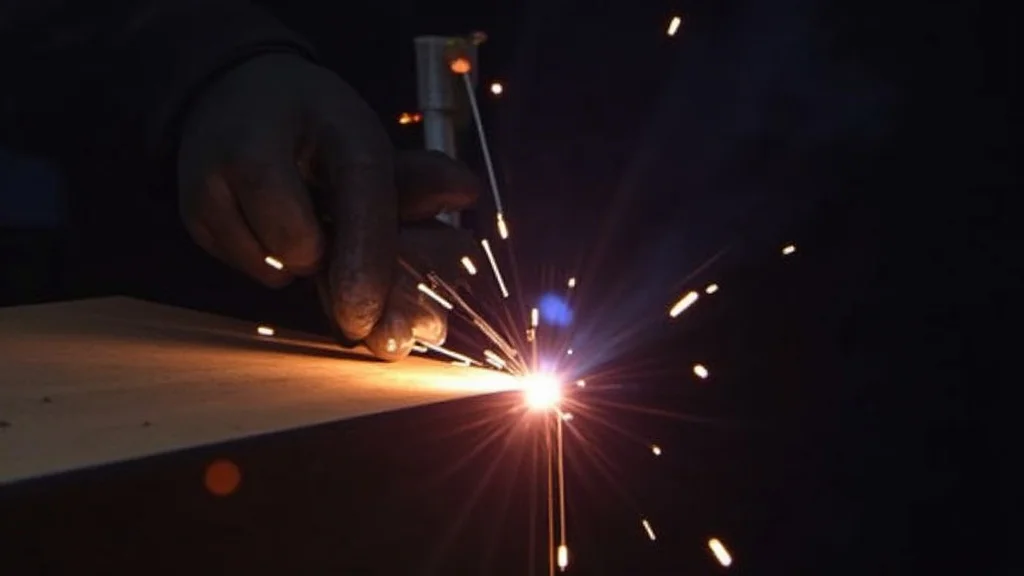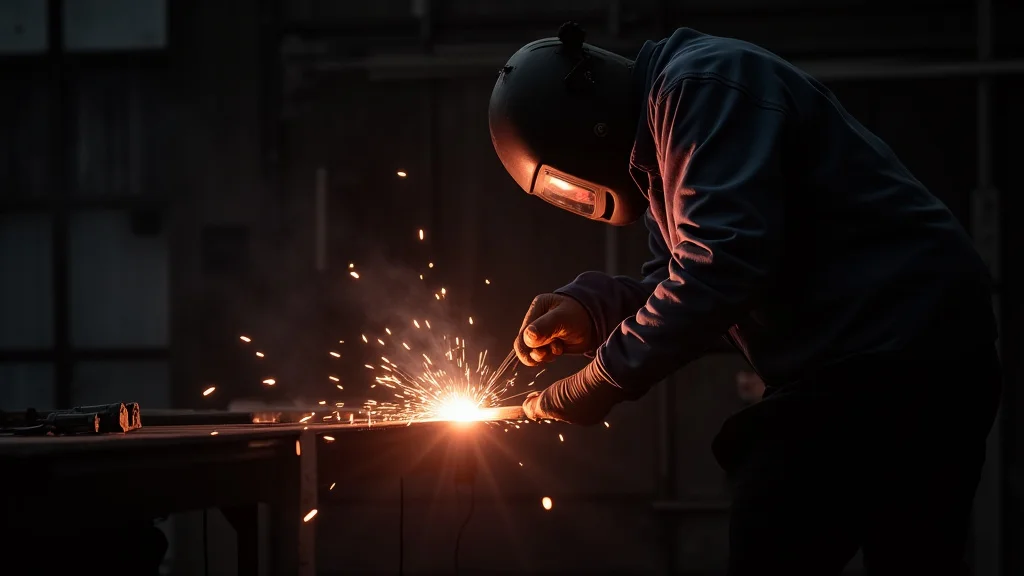
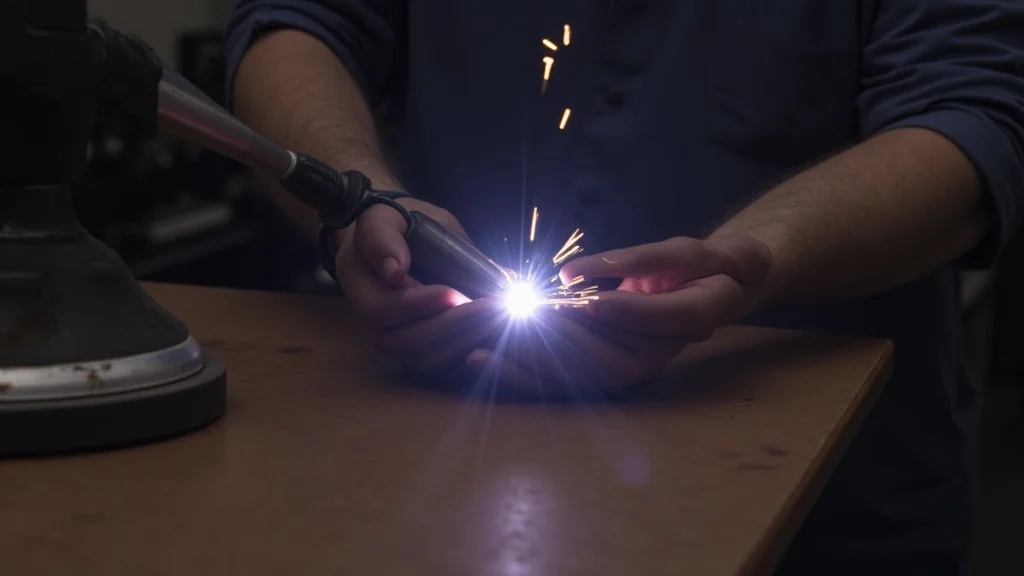
It’s a common problem for new welders: the electrode on your stick welder keeps sticking to the metal. This can be frustrating and make you wonder if you’re cut out for welding. But don’t worry!
This happens to almost everyone when they start. It’s not as tricky as it looks. We’ll walk you through exactly why this happens and how to fix it, step by step.
Get ready to learn how to keep that electrode flowing smoothly.
Key Takeaways
- Electrode sticking is often caused by too little voltage or too much amperage.
- Maintaining the correct arc length is vital for preventing sticking.
- The angle of your electrode can significantly impact arc stability.
- Dirty metal or improper electrode storage can lead to sticking issues.
- Practicing different techniques will build your confidence and skill.
Why Is My Stick Welder Electrode Sticking? Understanding the Basics
When your stick welder electrode sticks, it feels like it’s glued to your workpiece. This is a very common issue, especially for those just starting out. The good news is that it’s usually due to a few simple factors that you can easily control.
Stick welding, also known as Shielded Metal Arc Welding (SMAW), relies on a steady arc to melt the metal and create a strong weld. When the electrode sticks, this arc is interrupted, stopping the welding process before it can even begin.
Voltage and Amperage: The Power Duo
Your welding machine has two main settings that are key to a good weld: voltage and amperage. Think of amperage like the heat, and voltage like the arc length. If your amperage is too high for the electrode you’re using, it will melt too quickly.
This molten metal can then bridge the gap between the electrode and the workpiece, causing it to stick.
On the flip side, if your voltage is too low, the arc won’t be strong enough to maintain a consistent gap. The electrode will feel like it’s being pulled towards the metal, and it will stick. Finding the sweet spot for these settings is crucial.
Most welding machines have suggested settings for different electrode types and sizes right on the machine or in the manual.
Arc Length: The Delicate Balance
The distance between the tip of your electrode and the metal you’re welding is called the arc length. This is perhaps the most important factor in preventing sticking. If you hold the electrode too close to the metal, the molten metal from the electrode tip will easily touch the workpiece and stick.
This is like trying to touch two magnets together – they just snap and stick.
If you hold the electrode too far away, the arc becomes unstable. It might sputter, and you won’t get enough heat to melt the metal properly. The ideal arc length is usually about the same as the diameter of the electrode core wire.
It should be short and consistent. A good way to practice this is to try and maintain a consistent sound – a steady sizzle, not a loud crackle or a weak hum.
Electrode Angle: Guiding the Melt
The angle at which you hold your electrode matters a lot. For most general welding, you’ll want to hold the electrode at a slight push angle. This means tilting the electrode slightly in the direction you are moving.
A good starting point is usually between 10 to 15 degrees forward of a straight 90-degree angle to the workpiece.
If you hold the electrode too straight up and down (perpendicular) or drag it too much, you can cause issues. A drag angle can sometimes lead to the electrode getting stuck, especially if combined with other incorrect settings. A slight push helps the molten metal flow away from the electrode tip and join the puddle smoothly.
Electrode Type and Condition
Different types of welding electrodes are designed for different jobs and materials. Some electrodes, like E6010 or E6011, are known for their “digging” arc and are great for welding on dirty or rusty metal, but they can be a bit more prone to sticking if not handled correctly. Others, like E7018, are considered “soft-arc” electrodes and are easier for beginners to use, with less sticking.
The condition of your electrode also plays a role. Electrodes are coated with flux, which is essential for creating a protective gas shield around the arc and helping to form slag that protects the molten weld pool. If your electrodes have gotten wet or damp, the flux can be compromised.
This can lead to poor arc stability and sticking. Always store your electrodes in a dry place, preferably in a sealed container or an electrode oven.
Workpiece Surface: Cleanliness is Key
The surface of the metal you’re welding on needs to be clean. Rust, paint, oil, grease, or even heavy mill scale can interfere with the arc. These contaminants can cause the arc to be unstable and lead to sticking.
Before you start welding, always clean the area where you’ll be making your weld. A wire brush or grinder works well for removing surface dirt.
For beginners, welding on brand new, clean steel is highly recommended. This removes one variable that can cause problems. As you get more comfortable, you can start experimenting with welding on surfaces that aren’t perfectly clean.
Starting the Arc: The Initial Touch
There are two main ways to start a stick welding arc: the “scratch start” and the “tap start.” The scratch start is similar to striking a match. You quickly “scratch” the electrode tip across the metal surface and then lift it to establish the arc. The tap start involves tapping the electrode tip lightly on the metal and immediately pulling it back.
Often, when an electrode sticks, it’s during the initial arc start. If you press too hard or don’t pull away quickly enough, the electrode will fuse to the metal. Practicing these starting techniques on scrap pieces of metal will help you get a feel for the right pressure and timing.
Troubleshooting Common Sticking Scenarios
Let’s break down what might be happening when your electrode sticks and how to fix it.
Scenario 1: The Electrode Sticks Immediately Upon Starting
This usually means you’re pressing too hard when you strike or tap, or you’re not pulling away fast enough. Try a lighter touch and a quicker pull back after the initial contact.
Scenario 2: The Electrode Sticks After a Few Seconds of Welding
This is often an amperage issue. Your amperage might be set too high, causing the electrode to melt too quickly and bridge the gap. Try reducing your amperage slightly.
It could also be an arc length problem; you might be holding the electrode too close.
Scenario 3: The Electrode Sticks When You Move
This can happen if your electrode angle is too flat or if you’re dragging the electrode too much. Try increasing your push angle slightly. It might also indicate a lack of fusion, meaning the weld puddle isn’t forming correctly, and the molten electrode is hitting solid metal.
Adjusting Your Machine Settings
When you’re figuring out Why Is My Stick Welder Electrode Sticking?, the first place to look is your machine settings.
- Amperage: If you’re sticking, your amperage is often too high. Lower it in small increments. For example, if you’re at 100 amps, try 95 amps.
- Voltage (for machines with adjustable voltage): If your machine allows voltage adjustment, increasing it slightly can help. However, most DC machines have a fixed voltage for a given amperage, so this is less common to adjust.
- Polarity: Ensure you’re using the correct polarity for your electrode. Most DC electrodes run on DC electrode positive (DCEP, or “reverse polarity”) or DC electrode negative (DCEN, or “straight polarity”). Check your electrode packaging for the recommended setting. Incorrect polarity can cause arc instability and sticking.
Practicing Your Technique
Practice is key to overcoming electrode sticking. Find some scrap metal and just practice starting and stopping the arc. Then, practice making short beads without worrying too much about perfection.
As you get better, focus on:
- Maintaining a consistent arc length.
- Using a consistent electrode angle.
- Moving at a steady pace.
Don’t be afraid to experiment with your settings and technique on scrap material. This is how you learn what works best.
Frequently Asked Questions
Question: What is the most common reason for an electrode sticking?
Answer: The most common reason is holding the electrode too close to the workpiece, resulting in the molten metal bridging the gap and sticking.
Question: Should I use a high or low amperage if my electrode is sticking?
Answer: If your electrode is sticking, your amperage is often too high. Try lowering it in small increments.
Question: How far away should I hold the electrode from the metal?
Answer: The ideal arc length is generally about the same as the diameter of the electrode’s core wire – short and consistent.
Question: Does the type of electrode matter when it comes to sticking?
Answer: Yes, some electrode types are more prone to sticking than others if not used correctly. Easier-to-handle electrodes for beginners often have a softer arc.
Question: What should I do if the electrode sticks at the start of the weld?
Answer: If it sticks right away, you’re likely pressing too hard or not pulling back quickly enough after striking the arc. Try a lighter touch and a quicker flick.
Final Thoughts
When your stick welder electrode sticks, it’s usually not a sign of a faulty machine or a lack of talent. It’s a learning opportunity. You’ve learned that checking your amperage and voltage settings is important.
Keeping your arc length consistent and your electrode angle correct makes a big difference. Always remember to clean your metal. With a little practice and by keeping these tips in mind, you’ll soon be making smooth, strong welds without the frustration of sticking electrodes.
Keep welding!