Many people starting out with welding wonder, How Do You Store Welding Gas Cylinders Safely? It can seem a bit confusing at first with all the rules. But don’t worry! We’ll walk you through it step-by-step to make it super simple.
We’ll cover everything you need to know so you can store your gas bottles without any worry. Ready to learn the easy way?
Key Takeaways
- Proper storage keeps welding gas cylinders stable and upright.
- Cylinders must be stored away from heat and ignition sources.
- Ventilation is key to preventing gas buildup.
- Securing cylinders prevents them from falling over.
- Separating different types of gases is important for safety.
- Regular checks and maintenance ensure safe storage conditions.
Why Safe Gas Cylinder Storage Matters
Welding uses gases like oxygen and acetylene to create the heat needed for joining metal. These gases are stored under high pressure in strong metal tanks called cylinders. Because they are under pressure, these cylinders can be dangerous if not handled and stored correctly.
The main goal of safe storage is to prevent accidents like explosions, fires, or leaks that could harm people or property.
For beginners, understanding How Do You Store Welding Gas Cylinders Safely? is a vital first step. It’s not just about following rules; it’s about protecting yourself and others around you. Mistakes with gas cylinders can have serious consequences.
Knowing the right way to store them builds confidence and ensures a safer working environment.
Understanding Gas Cylinder Basics
Before we get into storage, let’s quickly look at what makes these cylinders unique. They are designed to hold gases at very high pressures. For example, a full oxygen cylinder can have pressure up to 2,200 pounds per square inch (psi).
Acetylene is a bit different; it’s stored dissolved in a solvent under pressure, but it’s still a highly flammable gas.
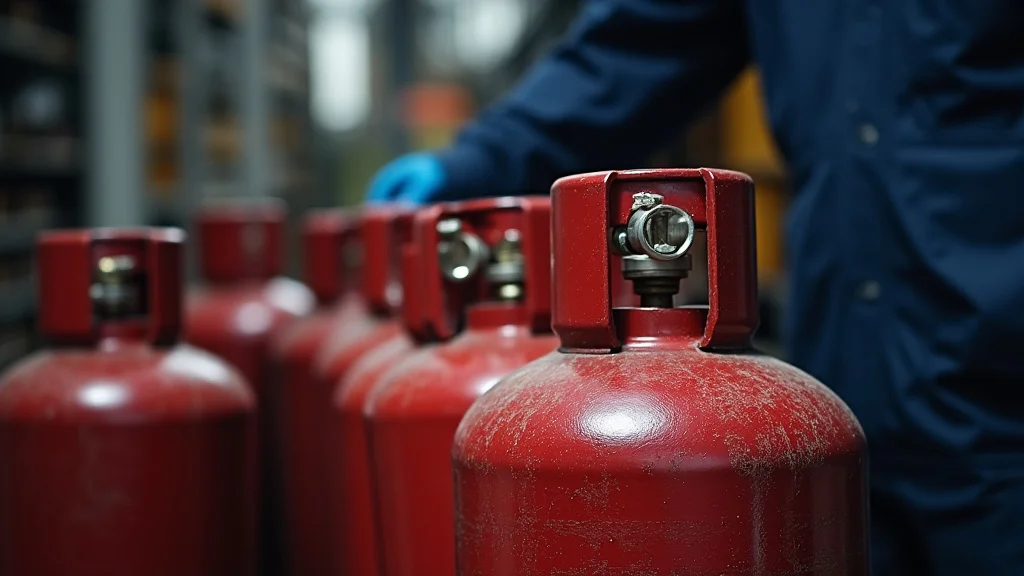
The cylinders themselves are built to be tough. They are made of steel and have special valves at the top to control the flow of gas. These valves are critical components and need to be protected.
Types of Welding Gases
The most common gases used in welding are:
- Oxygen: Used for cutting and sometimes in MIG welding. It’s an oxidizer, meaning it helps things burn.
- Acetylene: Used for oxy-acetylene welding and cutting. It’s a highly flammable gas.
- Argon: Often used in TIG and MIG welding. It’s an inert gas, meaning it doesn’t react with other materials.
- Carbon Dioxide (CO2): Also used in MIG welding, often mixed with argon. It’s a simple asphyxiant, meaning it can displace oxygen.
- Specialty Gases: Mixtures of gases for specific welding applications.
Each gas has its own properties and potential hazards, which is why specific storage guidelines are in place.
The Importance of an Upright Position
One of the most fundamental rules for storing welding gas cylinders is to always keep them upright. Think of them like tall, heavy bottles. If they fall over, especially when full, there’s a significant risk of damage to the valve or the cylinder itself.
A damaged valve could lead to a sudden, uncontrolled release of gas, which is extremely dangerous.
When cylinders are stored upright, they are more stable. This stability reduces the chance of them tipping over. It also makes it easier to access the valve for connecting regulators.
Cylinders are designed to stand on their own, but even so, they need extra security.
Securing Your Cylinders
Even when standing upright, gas cylinders can be knocked over. This is especially true in busy workshops or garages. That’s why securing them is so important.
You can use special cylinder racks, straps, or chains to hold them firmly in place. These should be attached to a wall or a sturdy workbench.
The goal is to prevent any movement that could cause a cylinder to fall. Imagine a tall, heavy object like a cylinder falling; it can cause serious injury or damage. Secure storage is a non-negotiable part of answering How Do You Store Welding Gas Cylinders Safely?
Location, Location, Location: Where to Store
The location where you store your welding gas cylinders is critical for safety. You can’t just put them anywhere. Several factors need to be considered to minimize risks.
Keep Them Away from Heat and Ignition Sources
This is perhaps the most crucial rule. Gases like acetylene are highly flammable, and oxygen makes things burn more easily. Storing cylinders near open flames, sparks, heaters, or any source of ignition is a recipe for disaster.
Even direct sunlight can heat a cylinder and increase the internal pressure.
Ideally, store cylinders in a dedicated, cool, dry, and well-ventilated area. This area should be away from your main welding workspace if possible, or at least in a designated safe zone.
Ventilation is Key
Good ventilation is essential for two main reasons. First, it prevents the buildup of flammable gases. If a leak occurs, a well-ventilated area will allow the gas to disperse, reducing the risk of an explosion.
Second, if an inert gas like argon or CO2 leaks, ventilation helps prevent it from displacing oxygen in an enclosed space, which can lead to suffocation.
Make sure the storage area has plenty of airflow. Open windows or doors are good, but mechanical ventilation systems are even better for enclosed spaces. Avoid storing cylinders in basements or other confined areas where air doesn’t move freely.
Protecting from the Elements
Cylinders should be protected from extreme weather. Don’t store them outdoors uncovered. Rain and moisture can cause rust and damage the cylinder’s exterior, weakening its structure over time.
Extreme heat, as mentioned, increases pressure. Extreme cold can affect the gas properties, though this is less of an immediate hazard than heat for storage.
A dedicated shed or a covered outdoor area with good ventilation can work, as long as it meets the other safety requirements.
Separation of Gases
When you have multiple cylinders, especially different types of gases, you need to store them properly separated. This prevents dangerous reactions if a leak occurs.
Flammable vs. Oxidizing Gases
A common rule is to keep flammable gases, like acetylene, separate from oxidizing gases, like oxygen. Acetylene fuels fires, and oxygen feeds them. If they leak in close proximity, it creates a very high risk of a rapid and intense fire or explosion.
A good rule of thumb is to maintain a specific distance between these types of cylinders, often 20 feet, or use a fire-resistant barrier between them.
Inert Gases
Inert gases like argon and CO2 don’t react like flammable or oxidizing gases. However, they can still displace oxygen. They generally don’t pose a chemical reaction risk with other gases during storage, but proper segregation is still good practice for organization and to ensure you grab the correct cylinder.
Valve Protection
The valve on top of a gas cylinder is a critical and sensitive part. It’s what allows you to control the gas flow and connects to your regulator. Damaging this valve can be very dangerous.
Keep Valve Caps On
When a cylinder is not in use, the protective valve cap should always be in place. These caps are designed to shield the valve from impact and damage. Dropping a cylinder or hitting the valve can cause it to break off, leading to an uncontrolled release of gas.
For flammable gases, this can be extremely hazardous.
Never move a cylinder by its cap. Always use a hand truck or cart designed for gas cylinders. The cap is for protection when the cylinder is stationary.
Handling and Moving Cylinders
Safe storage also includes how you handle cylinders when moving them. Even for short distances, improper handling can lead to accidents.
Use a Cylinder Cart
Never try to roll a gas cylinder on its side or carry it by hand. Use a sturdy cylinder cart specifically designed for this purpose. These carts have straps or chains to secure the cylinder and wheels to help you move it safely.
This significantly reduces the risk of dropping or damaging the cylinder.
Open Valves Slowly
When connecting a regulator or when using the cylinder, open the valve slowly. This prevents a sudden surge of high-pressure gas. For oxygen, a sudden surge can even generate enough heat through friction to cause ignition.
For acetylene, a rapid opening can damage the cylinder’s internal structure designed to hold the solvent.
Regular Inspections and Maintenance
Like any equipment, gas cylinders and their storage areas need regular checks to ensure continued safety.
Check for Leaks
Periodically check cylinder valves and connections for leaks. You can often hear hissing sounds, or you can use a soapy water solution. Apply the solution to connections and the valve area; if bubbles form, you have a leak.
If you find a leak, do not use the cylinder. Tag it as defective and contact your supplier.
Inspect Cylinders and Valves
Look for any signs of damage on the cylinders themselves, such as dents, gouges, or corrosion. Also, check the valves for any visible damage or signs of wear. If a cylinder or valve appears damaged, it should be removed from service immediately.
Keep the Storage Area Clean
A clean storage area is a safer storage area. Remove any flammable materials, debris, or unnecessary items from around the cylinders. This reduces the risk of fire and makes it easier to spot any potential problems.
Regulatory Guidelines
Various organizations provide guidelines and regulations for the safe storage and handling of compressed gases. In the United States, the Occupational Safety and Health Administration (OSHA) and the Compressed Gas Association (CGA) are key sources of information.
OSHA Standards
OSHA has specific standards for handling and storing compressed gases to protect workers. These standards cover aspects like cylinder identification, valve protection, segregation of gases, and ventilation. Employers are required to train their employees on these safety procedures.
CGA Recommendations
The Compressed Gas Association (CGA) publishes detailed pamphlets and standards that are widely respected in the industry. These resources offer in-depth guidance on everything from cylinder design to safe handling practices and emergency procedures.
Adhering to these guidelines is essential for compliance and, more importantly, for ensuring the highest level of safety when you ask yourself How Do You Store Welding Gas Cylinders Safely?
Frequently Asked Questions
Question: Can I store welding gas cylinders horizontally?
Answer: No, you should always store welding gas cylinders upright. Storing them horizontally can lead to instability and damage to the valve, increasing the risk of accidents.
Question: How close can oxygen and acetylene cylinders be stored together?
Answer: Oxygen and acetylene cylinders should be stored at least 20 feet apart or separated by a fire-resistant barrier. This is to prevent a rapid fire or explosion if one of them leaks.
Question: Is it safe to use a gas cylinder if the valve is slightly damaged?
Answer: No, it is never safe to use a gas cylinder with a damaged valve. A damaged valve can leak gas uncontrollably or fail completely, posing a serious safety hazard. Tag the cylinder and contact your supplier.
Question: What should I do if I suspect a gas leak from a cylinder?
Answer: If you suspect a leak, evacuate the area immediately. Do not use any electrical switches or create sparks. Ventilate the area if possible and safely possible, and contact your gas supplier or emergency services.
Question: Can I store gas cylinders indoors?
Answer: Yes, but only in a well-ventilated area that is protected from heat and ignition sources. Avoid storing them in confined spaces like basements or small, enclosed rooms. Dedicated outdoor storage or a well-ventilated utility space is often preferred.
Final Thoughts
Storing welding gas cylinders safely is a fundamental skill for any welder. By keeping cylinders upright, securing them properly, and storing them in a cool, well-ventilated area away from heat and sparks, you greatly reduce risks. Always protect the valves with caps when not in use and handle cylinders with appropriate equipment like cylinder carts.
Regularly inspecting for leaks and damage ensures your equipment remains safe over time. Following these straightforward steps helps you weld with confidence and peace of mind.