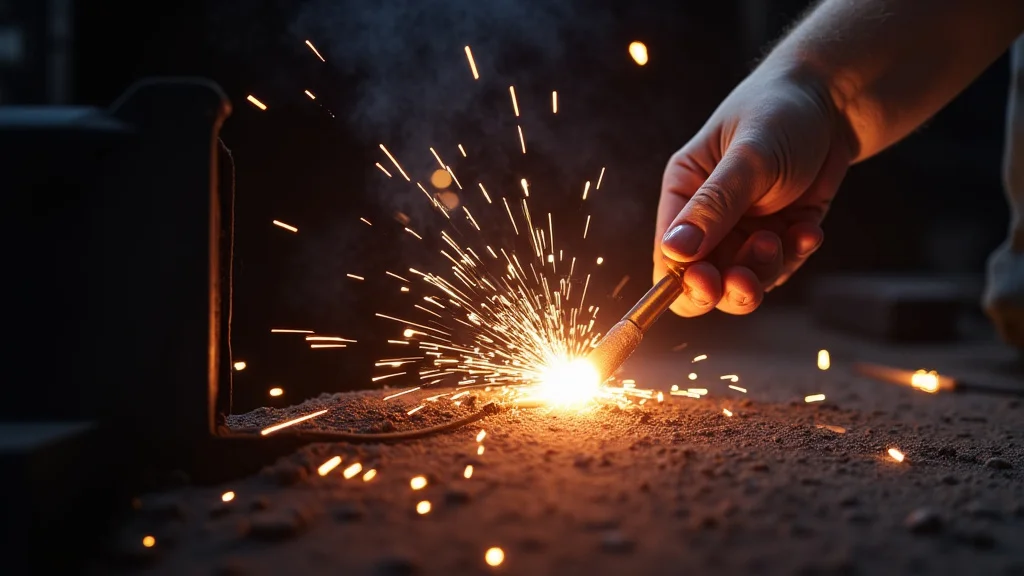
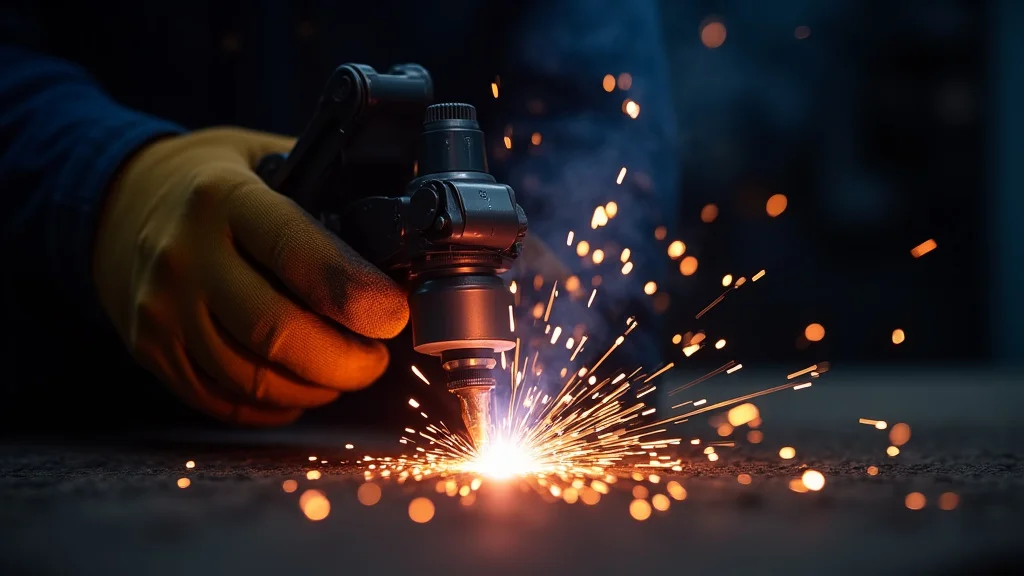
Is your welding machine throwing off way too many sparks? It’s a common puzzle for folks just starting out. Seeing sparks fly is part of welding, sure, but too many can be messy and even unsafe.
Don’t worry, though! We’ll walk through a simple fix for this problem, step by step. Get ready to make your welding cleaner and easier.
Key Takeaways
- You will learn the main reasons why a welding machine might create too many sparks.
- We will show you how to adjust your welding machine settings for fewer sparks.
- You will discover how the type of welding wire or electrode affects spark levels.
- This post will explain how proper technique helps control sparks.
- You will understand the role of machine maintenance in managing sparks.
Understanding Too Many Welding Sparks
Why Sparks Fly (and When It’s Too Much)
Sparks are a natural part of welding. They happen when molten metal sprays from the weld pool. A little bit of spark is okay.
It means the heat is doing its job. But when sparks fly everywhere, it can be a big problem. Too many sparks can make a mess.
They can also be dangerous if they land on things that can burn. It can also mean your weld might not be as strong as it should be. If you’re seeing a shower of sparks, it’s time to figure out why.
This is a common issue when you’re learning to weld.
Common Causes for Excessive Sparks
Several things can make your welding machine throw too many sparks. The biggest culprits are usually settings on your machine. The speed of your wire feed and the voltage are key.
If the wire is feeding too fast, it can push metal out faster than it can melt properly. This creates bigger, hotter sparks. High voltage can also make the arc too hot and unstable, leading to more splatter.
The type of welding gas you use matters too. Some gases create more sparks than others. Even the condition of your welding gun or torch can play a part.
A worn-out tip can cause problems.
Troubleshooting Your Welding Machine: The Solution
Adjusting Machine Settings
This is where you can often make the biggest difference. Your welding machine has settings that control the electricity and the wire. These are usually called voltage and wire feed speed.
For MIG welding, try lowering the wire feed speed slightly. This means the wire goes into the weld slower. This can help it melt into the puddle better.
Also, try lowering the voltage a little. A lower voltage creates a more stable arc. This usually means less splatter.
For other types of welding, like stick welding, you might adjust amperage instead of wire speed.
Voltage and Wire Speed (MIG Welding)
Let’s look closer at MIG welding. Imagine the wire as a tiny metal string feeding into your weld. If you push too much string in too fast, it can pile up and splatter.
That’s like too high a wire feed speed. You want the wire to melt smoothly into the metal. Lowering the wire feed speed can help.
Voltage is like the “power” of the arc. Too much power makes the arc too wild. Think of it like turning up a campfire too high; it starts throwing embers everywhere.
Finding the right balance between voltage and wire feed speed is very important. Every welding situation might need a slightly different setting. It often takes a little practice to find that sweet spot.
Amperage and Arc Length (Stick Welding)
If you’re using a stick welder, the main setting is amperage. Amperage controls how hot your electrode gets. If the amperage is too high, the electrode melts too fast.
This causes a lot of spatter. Try lowering the amperage. Another thing to watch is your arc length.
This is the distance between the electrode and the metal you’re welding. A long arc length creates a less stable weld and more sparks. Keep the arc short and consistent.
Imagine almost touching the metal with the electrode tip. This usually leads to a cleaner weld with fewer sparks.
Choosing the Right Welding Wire or Electrode
Not all welding materials are the same. The type of wire you use for MIG welding, or the electrode for stick welding, can greatly affect sparks. Some wires are designed to run hotter or with a “spray transfer” mode, which naturally creates more sparks.
Other wires are made for a “short circuit” transfer, which is usually cleaner. For less spatter, look for wires that are labeled as “low spatter” or “clean running.” Similarly, some stick electrodes are known for being very clean. Always check the packaging for information on spatter levels.
The Role of Welding Gas
For MIG and TIG welding, the gas you use is very important. It shields the weld pool from the air. Different gases create different types of arcs.
Pure argon gas, for example, often gives a cleaner weld with fewer sparks. When you mix argon with other gases like CO2 or oxygen, it can change the arc characteristics. Higher amounts of CO2 tend to create a more forceful spray transfer, which means more sparks.
If you’re using a gas mix and seeing too many sparks, you might try reducing the percentage of CO2 or oxygen, or switching to a different gas blend recommended for cleaner welds.
Correct Welding Technique
How you hold and move your welding gun or electrode is also a big deal. If you move too slowly, the metal can overheat and splatter more. If you move too fast, the weld might not be strong enough, and you could still get sparks.
The angle of your torch or electrode matters too. Aiming the torch slightly forward in the direction you’re welding can help. This is called a “push angle” for MIG.
For stick welding, keeping a consistent distance and angle is key. Practice makes perfect here. Learning to move smoothly and at the right speed will really cut down on messy sparks.
Maintaining Your Equipment
Even with the right settings and technique, old or dirty equipment can cause problems. The tip on your MIG gun can get clogged with metal. This can change the way the wire feeds and causes spatter.
Regularly clean or replace the contact tip. For stick welding, make sure your electrode holder and ground clamp are clean and making good contact. A dirty ground clamp can lead to an unstable arc.
Keeping your welding machine and accessories clean and in good shape is a simple but effective way to reduce excessive sparks.
Cleaning the Contact Tip (MIG)
The contact tip is a small piece of metal at the end of your MIG gun. It’s what the welding wire touches before it leaves the gun. When you weld, tiny bits of molten metal can stick to it.
This blockage can make the wire feed unevenly. It can also cause the arc to be unstable and create more sparks. You can clean the tip with a wire brush or a special tip cleaner tool.
It’s a good idea to do this often, especially if you’re welding for a while. Replacing the tip when it gets worn out is also important for a good weld.
Checking the Ground Clamp
The ground clamp is what connects your welding machine to the metal you are welding. It needs to make a good, solid connection. If the clamp is loose, dirty, or rusty, the electrical connection won’t be strong.
This can cause the arc to be weak and spattery. Make sure the metal surface you attach the clamp to is clean and bare. You might need to scrape away any paint or rust.
Ensure the clamp itself is clean and grips the metal tightly. A good ground connection is essential for a stable arc and fewer sparks.
Frequently Asked Questions
Question: Why is my new welding machine sparking a lot?
Answer: Even new machines can spark too much if the settings are not right for the material you are welding. You might need to adjust the wire speed, voltage, or amperage based on the metal thickness and type.
Question: Can using the wrong welding wire cause too many sparks?
Answer: Yes, absolutely. Some welding wires are designed for specific types of welding or metals and can produce more spatter if used incorrectly. Always check the wire manufacturer’s recommendations.
Question: Is it normal for stick welding to create more sparks than MIG welding?
Answer: Generally, yes. Stick welding (SMAW) is known for producing more sparks and spatter than MIG welding (GMAW) because of the way the electrode melts and deposits metal.
Question: How often should I clean my MIG gun’s contact tip?
Answer: It’s a good practice to clean the contact tip regularly, perhaps every hour of welding or more often if you notice increased spatter or inconsistent wire feeding.
Question: What is the best welding gas for minimal sparks?
Answer: For MIG welding, a 100% Argon gas or a blend with a very low percentage of CO2 (like 75% Argon / 25% CO2) often results in fewer sparks compared to higher CO2 mixes.
Final Thoughts
Seeing too many sparks from your welding machine is a common hurdle, but it’s not a mystery that can’t be solved. By making small adjustments to your machine’s settings, choosing the right welding materials, and practicing good technique, you can significantly reduce spatter. Keep your equipment clean and well-maintained.
You’ll find your welds become cleaner and stronger. With a little practice, you’ll get that smooth, controlled arc you’re looking for.