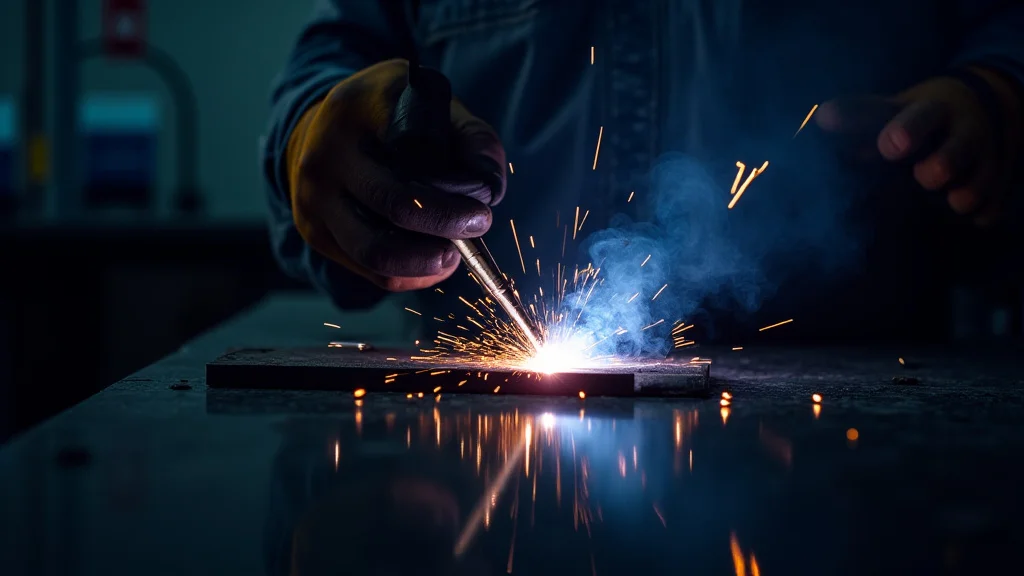
Sometimes your welding machine suddenly stops working, and a light flashes showing an overload. It can be worrying, especially if you’re new to welding. This common problem, Welding Machine Overload Tripping?
Fix Fast, doesn’t have to keep you stuck. We’ll show you exactly what to do, step-by-step, to get you back to welding quickly. Read on to learn how to solve this issue simply and effectively.
Key Takeaways
- Overload tripping means your welder is too hot or drawing too much power.
- Simple fixes involve letting the machine cool down and checking your power source.
- You’ll learn to identify common causes like long welding sessions or thin cables.
- This guide provides clear steps to troubleshoot and resolve overload issues.
- Maintaining your welder prevents future overheating problems.
What Does Welding Machine Overload Tripping Mean?
When your welding machine trips its overload protection, it’s acting like a smart guard. It stops itself before any damage happens. This usually means something is making the machine work too hard.
Think of it like a car engine getting too hot. The engine has a system to shut down to prevent it from breaking.
Your welder has a similar safety feature. It detects when it’s using too much electricity or getting too hot. When it senses this, it cuts off the power.
This is a good thing! It saves your machine from burning out. For beginners, seeing this happen can be confusing.
You might wonder what you did wrong or if your machine is broken.
Common Reasons for Overload Tripping
Several things can cause your welding machine to overload. Understanding these reasons helps you prevent the problem in the first place.
1. Working for Too Long
Welding generates a lot of heat. If you weld for extended periods without breaks, the internal parts of your machine can get very hot. Most welders have a duty cycle.
This is the percentage of time they can weld in a 10-minute period without overheating. For example, a 30% duty cycle means you can weld for 3 minutes and then need to rest for 7 minutes.
If you push your machine beyond its duty cycle, it will likely trip the overload. This is especially true for smaller or less powerful machines. They have lower duty cycles.
2. Using the Wrong Power Source or Connections
Your welding machine needs a steady and sufficient supply of electricity. If the power outlet, extension cord, or the circuit breaker connected to your welder isn’t rated for the machine’s needs, it can cause an overload.
Using a light-duty extension cord with a heavy-duty welder is a common mistake. Thin cords can’t carry enough power. This causes them to heat up and can lead to the welder tripping.
Also, ensure the circuit breaker for your welder is the correct amperage. If it’s too low, it might trip even when the welder isn’t truly overloaded.
3. Incorrect Settings for the Job
The amperage and voltage settings on your welder need to match the thickness of the metal you’re welding and the type of welding rod or wire you’re using. If your settings are too high for the material, you’ll draw more power than necessary. This can cause overheating.
For instance, trying to weld very thin sheet metal with high amperage settings will likely lead to an overload. The machine is working harder than it needs to melt the thin material.
4. Dirty or Damaged Cables
The welding cables (ground clamp and electrode holder or gun) can affect performance. If the connections at the machine, the clamp, or the gun are loose, dirty, or corroded, they create resistance. This resistance makes the machine work harder and generates extra heat.
Damaged cables, like those with nicks or cuts in the insulation, can also be a problem. They might not carry power efficiently and could even be a safety hazard.
5. Environmental Factors
Where you’re welding matters too. If you’re working in a very hot environment, like a metal shed on a summer day, your welder will have a harder time staying cool. The ambient temperature affects the machine’s ability to dissipate heat.
Poor ventilation around the welder can also trap heat, leading to overheating.
How to Fix Welding Machine Overload Tripping Quickly
Don’t panic if your welder trips. Follow these simple steps to get it running again.
Step 1: Stop Welding and Let It Cool
The first and most important step is to stop welding immediately. Turn off the welding machine. Allow it to cool down completely.
This usually takes at least 15-30 minutes, sometimes longer depending on how long it was running before it tripped.
Most welders have a thermal overload indicator light. This light will go off once the machine has cooled down sufficiently. Resist the urge to try and turn it back on too soon.
Patience here is key.
Step 2: Check Your Power Source
Once the machine is cool, check the power supply. Ensure the plug is securely in the outlet. If you are using an extension cord, make sure it is heavy-duty and rated for the amperage your welder requires.
Ideally, you should plug directly into the wall outlet if possible, especially for high-amperage machines.
Check the circuit breaker. If it has tripped, reset it. If it trips again immediately, you might have a problem with the circuit, the wiring, or the welder itself drawing too much power.
Step 3: Inspect Your Cables and Connections
Look at your ground clamp and electrode holder/welding gun. Make sure the connections are clean and tight. Remove any dirt, rust, or paint from the clamp and the workpiece connection point.
Loose connections are a major cause of increased electrical resistance and heat.
Check the welding cables for any visible damage, like cuts or frayed wires. If they look worn or damaged, they should be replaced.
Step 4: Review Your Welding Settings
Think about the settings you were using. Were they appropriate for the metal thickness and type of welding? If you were using very high amperage, try reducing it.
Consult your welder’s manual or a welding chart for recommended settings for different materials.
If you were welding for a long time, remember to respect the machine’s duty cycle. Take shorter breaks and weld for shorter durations to avoid overheating.
Step 5: Ensure Good Ventilation
Make sure your welding machine has plenty of space around it. Don’t place it in a confined area or block the air vents. Good airflow helps the internal cooling fan work effectively.
When to Seek Professional Help
If you’ve followed all these steps and your welding machine continues to trip the overload protection frequently, there might be an internal issue. This could be a faulty fan, damaged internal components, or a problem with the electronics.
In such cases, it’s best to stop using the machine and take it to a qualified welding equipment repair service. Trying to fix internal electrical issues without proper knowledge can be dangerous and may cause further damage.
Frequently Asked Questions
Question: How long should I wait for my welding machine to cool down?
Answer: Wait until the overload indicator light turns off. This usually takes at least 15-30 minutes, but could be longer depending on how hot it got.
Question: Can I use a standard household extension cord with my welder?
Answer: No, standard household extension cords are usually too thin and cannot handle the high amperage required by most welding machines. Use a heavy-duty, appropriately rated cord.
Question: What is a duty cycle and why is it important?
Answer: A duty cycle is the percentage of time a welding machine can operate within a 10-minute period without overheating. It’s important because exceeding it will cause the machine to trip its overload protection.
Question: My circuit breaker keeps tripping. What does this mean?
Answer: This means too much current is being drawn. It could be an issue with the welder, the circuit, or an overloaded extension cord. Check all connections and reduce amperage if possible.
Question: Can welding in a hot garage cause overload?
Answer: Yes, high ambient temperatures make it harder for the welder to cool itself. Ensure good ventilation around the machine even in hot conditions.
Final Thoughts
Experiencing an overload trip on your welding machine is a common issue, but it’s easily fixed most of the time. Remember to give your welder a cool-down period. Always check your power source, cables, and settings to ensure they are correct for the job.
By understanding the causes and following these simple steps, you can resolve most overload issues quickly and get back to welding.