Learning How to Properly Ground Your Stick Welder might seem a little tricky when you’re just starting out. Many beginners wonder if they’re doing it right, and a wrong connection can stop your welding project cold. Don’t worry, it’s actually quite simple once you know the few key steps.
We’ll walk you through it so you can get back to making great welds. Ready to see how easy it is?
Key Takeaways
- You will learn the importance of a good ground connection for stick welding.
- This post will explain the different parts of a grounding setup.
- You will discover the best places to connect your ground clamp.
- We will cover common mistakes beginners make with grounding.
- You will gain confidence in setting up your stick welder for success.
What is Stick Welding Grounding?
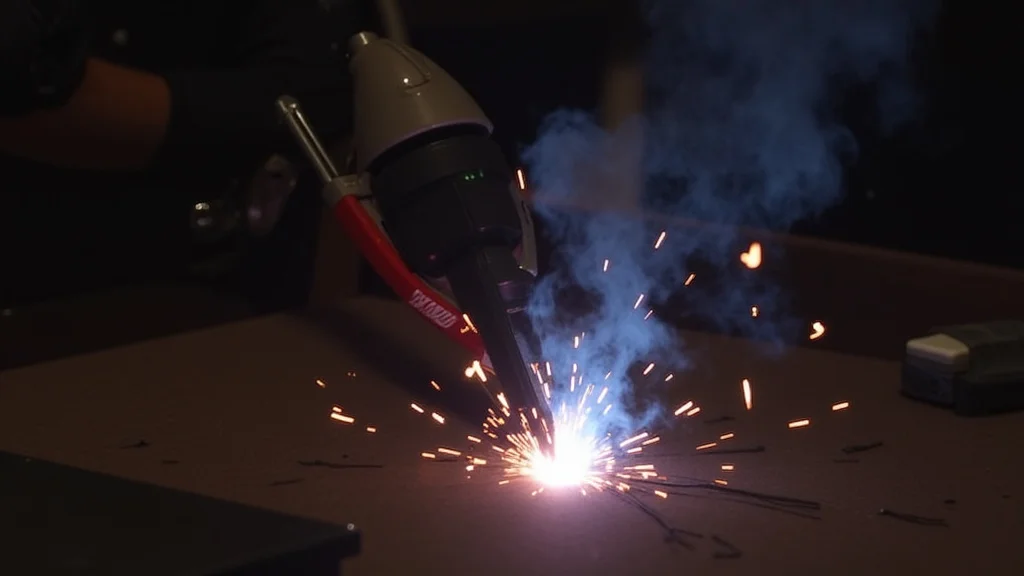
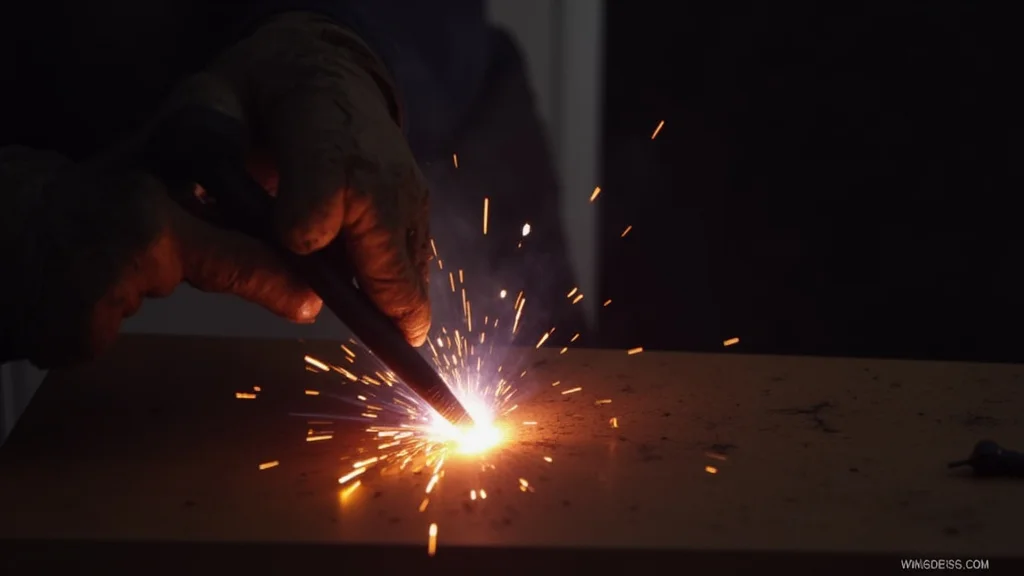
Stick welding, also called Shielded Metal Arc Welding (SMAW), needs a complete electrical circuit to work. Think of it like a light switch; you need power flowing through to get light. In welding, this flow happens between your welding electrode and the metal you’re joining.
For this flow to happen correctly, you need a solid connection, and that’s where grounding comes in.
The ground clamp is a vital part of your welding gear. It’s like the return path for the electricity. Without it, the arc won’t form, and you won’t be able to melt the metal to make a weld.
A good ground connection ensures the electricity flows smoothly and consistently, giving you a stable arc.
Why is Proper Grounding So Important?
Getting the ground right is more than just plugging in a cable. It affects how well your welder performs and the quality of your welds. If your ground isn’t good, you’ll face a few problems.
Common Welding Problems Due to Bad Grounding
A poor ground connection can lead to:
- Difficult Arc Starting: It’s hard to get the welding arc to start. You might have to scratch the electrode a lot, which isn’t efficient.
- Unstable Arc: The arc might flicker or sputter. This makes it hard to control and can lead to uneven welds.
- Poor Weld Penetration: The weld might not go deep enough into the metal. This makes the weld weak and prone to breaking.
- Excessive Spatter: You’ll see a lot of sparks flying off. This makes a mess and wastes weld material.
- Weld Defects: You might get inclusions (like slag trapped in the weld) or porosity (small holes).
Simply put, a good ground means a good weld. It makes your job easier and the final product stronger.
Understanding Your Grounding Components
To properly ground your stick welder, you need to know the parts involved. It’s a simple setup, but each piece plays a role.
The Ground Clamp
This is the clamp that you attach to the metal you are welding or to a welding table. They come in different types, like C-clamps or spring-loaded clamps. The important thing is that it has a good grip and makes solid metal-to-metal contact.
The Ground Cable
This is the thick cable that connects your welder to the ground clamp. It needs to be the right size (gauge) for the amperage your welder uses. Too small a cable can overheat and won’t carry the electricity effectively.
The Welder’s Ground Terminal
This is the port on your welding machine where the ground cable plugs in. It’s usually a large, sturdy connector designed to handle the electrical current.
Where to Connect Your Ground Clamp
Choosing the right spot for your ground clamp is key. You want to make sure the electricity can travel the shortest, cleanest path from the weld to the machine. Here’s where to aim:
Best Practices for Ground Clamp Placement
- Directly to the Workpiece: The absolute best place is a clean spot on the metal you are welding. This provides the shortest and most direct path for the current.
- Welding Table: If you’re working on a welding table, connect to a clean, unpainted spot on the table itself. Ensure the table is grounded to the earth in its installation.
- Grounding Studs or Clamps: Some welding fixtures or projects have dedicated grounding studs. Use these if available.
What to Avoid for Ground Clamp Placement
Just as important as knowing where to connect is knowing where not to connect.
- Painted Surfaces: Paint is an insulator. It blocks electrical current, so your ground won’t work well. Always scrape paint away to bare metal.
- Rust or Mill Scale: Like paint, rust and mill scale create a barrier. Clean these off to ensure good contact.
- Loose Connections: Never clamp onto something that might move or fall off.
- Long Distances: Try to keep the ground cable as short as possible. The longer the cable, the more resistance there is, which can weaken the arc.
- The Welder Itself (Usually): You typically don’t clamp the ground to the welder’s frame unless the manual specifically says to. The ground connection needs to be on the workpiece.
Think of it this way: you want the electricity to travel from the electrode, through the metal, through the clamp, through the cable, and back to the welder with as few obstacles as possible.
Common Mistakes Beginners Make with Grounding
Even experienced welders can slip up, but beginners often make a few predictable mistakes. Recognizing these can save you a lot of frustration.
Mistake 1: Not Cleaning the Surface
As mentioned, this is a big one. People assume any metal will do. But dirt, paint, rust, oil, or even a thin layer of grime can prevent a good electrical connection.
Always scrape to bare metal.
Mistake 2: Using Too Long a Cable
Believing more cable is better can lead to a weaker arc. If your welder came with a long ground cable, and you only need to weld something close by, coil up the extra cable neatly. Don’t let it trail all over the place, and don’t use an unnecessarily long cable if a shorter one is sufficient.
Mistake 3: Loose Clamp Connection
A clamp that isn’t tight enough is almost as bad as no clamp at all. Make sure the clamp is firmly attached to the metal. It should feel secure and make solid contact.
Mistake 4: Grounding to Something Unstable
Clamping onto a thin piece of metal that’s not securely attached to your main workpiece can cause the ground to break during welding. Always ensure your ground clamp is attached to the main structure you’re working on or a stable component of it.
Mistake 5: Thinking All Metal is the Same
Some metals might be coated or treated in ways that hinder conductivity. If you’re welding something unusual, always check for coatings and prepare the surface.
Setting Up Your Stick Welder: Step-by-Step
Now, let’s put it all together. Here’s a simple, step-by-step guide to ensure you properly ground your stick welder.
- Turn Off Your Welder: Safety first! Make sure your welder is unplugged or turned off before you start connecting anything.
- Inspect Your Gear: Check your ground cable for any damage, like cuts or frayed wires. Look at your ground clamp to make sure it’s clean and functional.
- Choose Your Ground Location: Find a clean, bare metal spot on your workpiece or welding table. If you need to, use a wire brush or grinder to remove paint, rust, or dirt.
- Attach the Ground Cable to the Welder: Plug the connector end of your ground cable firmly into the designated ground terminal on your welding machine.
- Attach the Ground Clamp to the Workpiece: Firmly clamp the ground clamp onto the prepared spot on your workpiece. Ensure it has good, solid contact. Give it a slight wiggle to be sure it’s secure.
- Check Your Work: Take a quick look to confirm the clamp is tight and on bare metal.
- Turn On Your Welder: Now you can turn on your welding machine.
This process should only take a minute, but doing it right every time makes a huge difference.
Frequently Asked Questions
Question: Does the ground clamp need to be on the same piece of metal I’m welding?
Answer: Ideally, yes. Connecting directly to the workpiece offers the best electrical path. If that’s not possible, connect to a stable part of the structure or a grounded welding table.
Question: What happens if I forget to ground my stick welder?
Answer: If you forget to ground, you won’t be able to create an arc. The electrical circuit won’t be complete, and you won’t be able to weld.
Question: Can I use a regular C-clamp if I don’t have a welding ground clamp?
Answer: A C-clamp might work in a pinch if it’s made of metal and you can get it to make good contact with bare metal, but proper welding ground clamps are designed for this job and provide a much more reliable connection.
Question: How do I know if my ground is good enough?
Answer: A good ground will allow you to strike an arc easily and maintain a stable arc. If you’re struggling to start the arc or it’s very unstable, your ground might be the issue.
Question: Should I connect the ground to the metal before or after turning on the welder?
Answer: Always connect the ground clamp to the workpiece before turning on your welder. This ensures the circuit is ready to go and prevents accidental sparks.
Final Thoughts
Making sure your stick welder is properly grounded is a simple step that pays off big time. It helps you get a strong, stable arc from the start, leading to cleaner, stronger welds. By cleaning your connection points and securing the clamp firmly on bare metal, you create the essential path for electricity.
This small effort prevents many common welding headaches like hard arc starts and unstable arcs. You’ve got this down now. Go make some great welds!