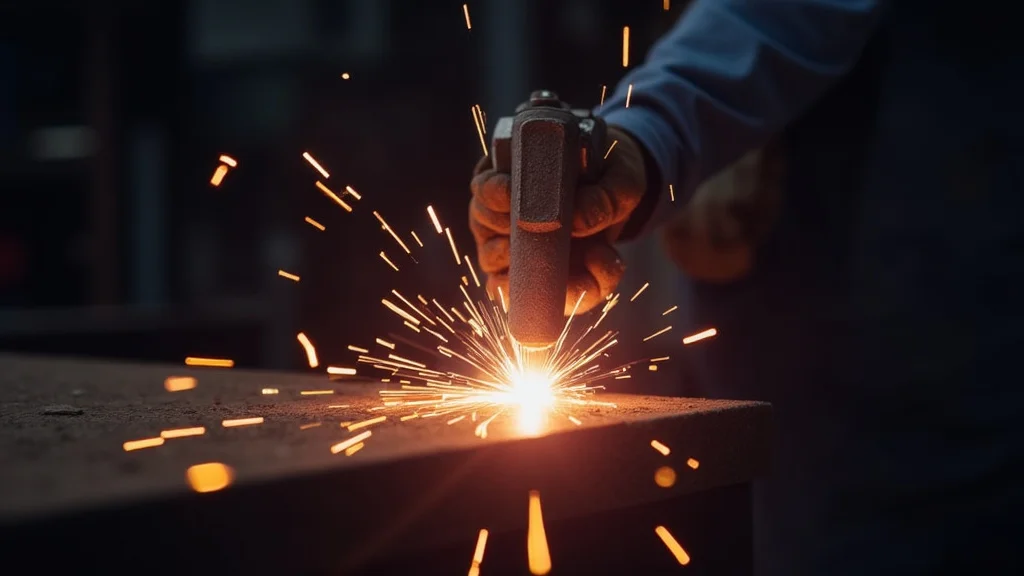
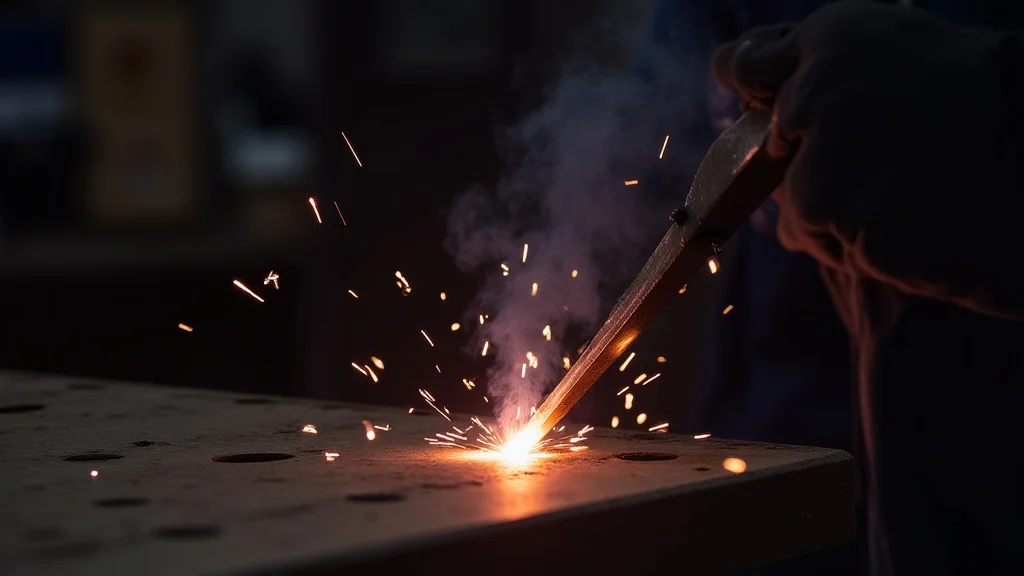
Many people starting out with TIG welding wonder, Why Is My TIG Welder Arc Too Short or Weak? It’s a common puzzle because a proper arc is key to good welds. Sometimes the arc just doesn’t feel right – it’s sputtering, hard to control, or doesn’t seem to have enough power. Don’t worry, we’ll walk through the common reasons for this.
We’ll break it down simply, step by step, so you can fix it. After this, you’ll know exactly what to check to get a strong, stable arc every time.
Key Takeaways
- Proper ground clamp connection is vital for a strong arc.
- The correct tungsten electrode stick-out length affects arc stability.
- Cleaning your tungsten electrode is essential for a good arc.
- Gas flow rate and integrity prevent arc contamination.
- Amperage settings directly influence arc strength.
- Electrode angle and distance from the workpiece matter.
Understanding Your TIG Welder Arc
The arc in TIG welding is what melts the metal. It’s a stream of electricity that jumps from the tungsten electrode to your workpiece. A good arc is stable, focused, and sounds like a consistent sizzle. When the arc is too short or weak, it feels “spitty,” hard to control, and won’t melt the metal properly. This makes it tough to create strong, clean welds. Getting the arc right is one of the first big steps to becoming a good TIG welder.
Why a Weak or Short Arc Happens
There are several common culprits when your TIG arc isn’t performing as it should. These issues often stem from simple things that are easy to overlook, especially when you’re new to the process. Think of it like trying to start a campfire; if your tinder is damp or you don’t have enough airflow, the fire won’t catch or will be weak. The TIG arc is similar.
Ground Clamp Issues
One of the most frequent reasons for a weak arc is a poor connection from your ground clamp. The ground clamp completes the electrical circuit. If it’s not making good contact with the metal you’re welding, or if the cable itself is damaged, electricity can’t flow properly. This results in a weak or inconsistent arc.
Checking Your Ground Clamp
* Cleanliness: Make sure the clamp and the surface of the metal it’s attached to are clean and free of rust, paint, or grease.
* Tightness: Ensure the clamp is secured firmly. A loose connection creates resistance, which weakens the arc.
* Cable Condition: Inspect the ground cable for any cuts, frays, or damage. A damaged cable can cause electrical issues.
* Location: Try attaching the ground clamp to different spots on your workpiece. Sometimes, a cleaner or thicker section of metal provides a better connection.
Tungsten Electrode Stick-Out
The length of the tungsten electrode that sticks out from your torch is very important. This is called the “stick-out.” If you have too much tungsten sticking out, the arc becomes less stable and more prone to contamination. If it’s too short, it can be hard to see and manipulate, and it might even touch the weld puddle, which is not good.
Ideal Stick-Out Lengths
* For DC welding (steel, stainless steel): Aim for about 1/4 to 1/2 inch (6-12 mm) of tungsten sticking out.
* For AC welding (aluminum): You might use a slightly shorter stick-out, around 1/4 inch (6 mm), to help maintain a stable arc.
The specific length can vary based on the type of tungsten, the amperage you’re using, and the joint you’re welding. Experimenting within these ranges will help you find what works best.
Dirty or Incorrectly Ground Tungsten
Your tungsten electrode is critical for a stable arc. If it becomes contaminated (e.g., by touching the weld puddle or air) or if it’s not ground correctly, it won’t initiate or maintain a smooth, focused arc.
Cleaning and Grinding Tungsten
* Contamination: If your tungsten touches the weld, it will ball up or get contaminated. You’ll need to re-grind it.
* Grinding: Use a dedicated grinder with a diamond wheel to grind your tungsten. Never use a wire wheel or a grinder that has been used for other metals, as this will contaminate the tungsten.
* Shape: For DC welding, grind the tungsten to a sharp point. This helps create a focused arc. For AC welding (like aluminum), you’ll grind it to a more rounded or slightly blunted tip. The ideal shape for AC can be a bit of a preference, but avoid a sharp point.
Gas Flow Issues
The shielding gas, usually Argon, protects the molten weld puddle and the hot tungsten from the air. If your gas flow is too low, the gas shield won’t be adequate, and the arc will become unstable and contaminated. If the flow is too high, it can create turbulence that actually pulls air into the weld area, also causing problems.
Checking Your Gas Flow
* Flow Rate: A common starting point for gas flow is 15-25 cubic feet per hour (CFH) for a standard TIG torch. Check your machine’s manual or the torch manufacturer’s recommendations.
* Leaks: Ensure there are no leaks in your gas hose, regulator, or torch connections.
* Windy Conditions: If you’re welding outdoors or in a drafty area, you’ll need to increase your gas flow or use a wind shield to protect the shielding gas.
* Post-Flow: Make sure your welder has adequate post-flow time set. This is the time the gas continues to flow after you release the torch button, protecting the cooling weld.
Amperage Settings
The amperage setting on your TIG welder directly controls the strength of the arc. If your amperage is too low for the material thickness you’re welding, the arc will be weak and won’t melt the metal effectively. If it’s too high, the arc will be too intense, leading to blow-through or excessive melting.
Finding the Right Amperage
* Material Thickness: Thicker materials require higher amperage than thinner ones. A general rule of thumb for steel is about 1 amp per thousandth of an inch of thickness.
* Metal Type: Different metals conduct heat differently. Aluminum, for example, requires more amperage than steel for the same thickness.
* Tungsten Size: The size of your tungsten electrode can also influence how much amperage you can effectively use.
Electrode Angle and Distance
How you hold your torch and the angle of the tungsten electrode relative to the workpiece makes a big difference. If the torch is held too far away, the arc becomes diffused and weak. If the angle is too extreme, it can deflect the arc or cause gas shielding issues.
Torch Handling Tips
* Torch Angle: For most applications, hold the torch at a slight angle, usually between 5 to 15 degrees, pointing in the direction of your travel.
* Distance: Keep the tungsten electrode at a consistent, short distance from the workpiece – typically about the same as the electrode stick-out length. This provides a concentrated arc.
* Movement: Consistent torch movement is key. Avoid jerky motions that can disrupt the arc.
Machine Settings and Power Source
Sometimes the issue isn’t with your technique but with the TIG welder itself or its power source. Older machines, or those with internal faults, can produce an inconsistent or weak arc.
Checking Your Welder
* Power Cord: Ensure the power cord is securely plugged in and undamaged.
* Voltage: Make sure your welder is connected to an appropriate power outlet that can supply the necessary voltage and amperage.
* Internal Issues: If you’ve checked everything else and the arc is still weak, there might be an internal problem with the welder. In this case, consulting the manufacturer or a qualified repair technician is recommended.
Workpiece Material and Preparation
The material you’re welding and how you prepare it also play a role. Surface contaminants can interfere with arc stability and weld quality.
Material Preparation
* Cleaning: Always clean the base metal thoroughly before welding. Use a stainless steel wire brush dedicated only to the material you’re welding (e.g., a separate brush for steel and aluminum). Remove any oil, grease, paint, or rust.
* Oxide Layers: Aluminum, in particular, forms a tough oxide layer. This layer needs to be removed with a stainless steel wire brush or a special aluminum cleaning tool just before welding.
AC Balance and Frequency (for AC Welding)
If you’re welding aluminum or magnesium with AC, your welder might have settings for AC balance and frequency. These settings can affect the arc’s characteristics.
* AC Balance: This controls the amount of cleaning action versus penetration. A balance more towards “cleaning” can give a more focused arc, while more “penetration” can lead to a broader arc.
* Frequency: Higher frequency generally results in a tighter, more directed arc, making it easier to control, especially on thinner materials. Lower frequency can provide a wider, softer arc.
Experimenting with these settings can help fine-tune your arc.
Frequently Asked Questions
What is the most common reason for a weak TIG arc?
The most common reason is a poor connection at the ground clamp. If the clamp isn’t making good, clean contact with the metal, the electricity can’t flow properly, leading to a weak arc.
How do I know if my tungsten electrode is contaminated?
A contaminated tungsten electrode will usually appear balled up, discolored, or have a molten droplet on the tip. It will also cause the arc to be unstable, sputtering, and difficult to control.
Can too much gas flow cause arc problems?
Yes, too much gas flow can create turbulence that actually pulls air into the weld area, disrupting the shielding gas. This can lead to a weak, sputtering arc and weld contamination.
Should I use the same tungsten for steel and aluminum?
It’s best to use dedicated tungsten electrodes for different metals. Tungsten used for steel can become contaminated, and using it for aluminum can lead to poor welds. There are also different types of tungsten (e.g., pure, ceriated, lanthanated) that are better suited for specific applications and power types (AC/DC).
How does the distance between the tungsten and the workpiece affect the arc?
Keeping the tungsten close to the workpiece, typically about the same distance as the electrode stick-out, creates a focused and stable arc. If the distance is too great, the arc spreads out, becomes weaker, and is harder to control.
Final Thoughts
When your TIG welder arc feels short or weak, it’s usually down to a few simple checks. A solid ground clamp connection is your first step. Next, make sure your tungsten electrode is clean and has the right amount sticking out.
Your shielding gas needs to flow correctly, and your amperage should match your material. Don’t forget how you hold your torch and the angle matter too. By paying attention to these details, you can fix your arc issues and get back to making great welds.