Setting up a good welding area might seem tricky at first, but it’s super important for staying safe. Many beginners worry about getting it right. This guide will make How to Set Up a Safe Welding Workspace simple.
We’ll walk through it step by step. First, let’s look at what makes a welding space safe and what you need to think about.
Key Takeaways
- You’ll learn how to choose the best spot for welding.
- Discover essential safety gear you must have.
- Understand how to manage fire hazards.
- Learn about good ventilation and why it matters.
- Find out how to keep your tools organized and safe.
- Know the importance of proper lighting.
Choosing the Right Location
Indoors vs. Outdoors
Deciding whether to weld inside or outside is the first big step. Both have good and bad points. If you weld outside, you have plenty of fresh air.
This helps with fumes. However, weather can be a problem. Rain or strong winds can stop your work.
You also need to be sure no flammable things are nearby.
Welding indoors offers protection from the weather. You can control the temperature better. But, indoor spaces need really good ventilation.
Fumes can build up quickly if there’s no airflow. You also have to be extra careful about fire hazards. Make sure there’s nothing flammable in the room.
Space Requirements
You need enough room to move around safely. Think about the size of your projects. You’ll need space for your welding machine, tools, and materials.
Don’t forget space for yourself to stand and work comfortably. A cramped space makes accidents more likely. It’s better to have a bit more room than not enough.
Consider where your welding power source will go. It should be out of the way but easy to access. You also need space for welding tables or stands.
These should be sturdy and level. Keep walkways clear at all times. This helps prevent trips and falls.
Essential Safety Gear
Personal Protective Equipment (PPE)
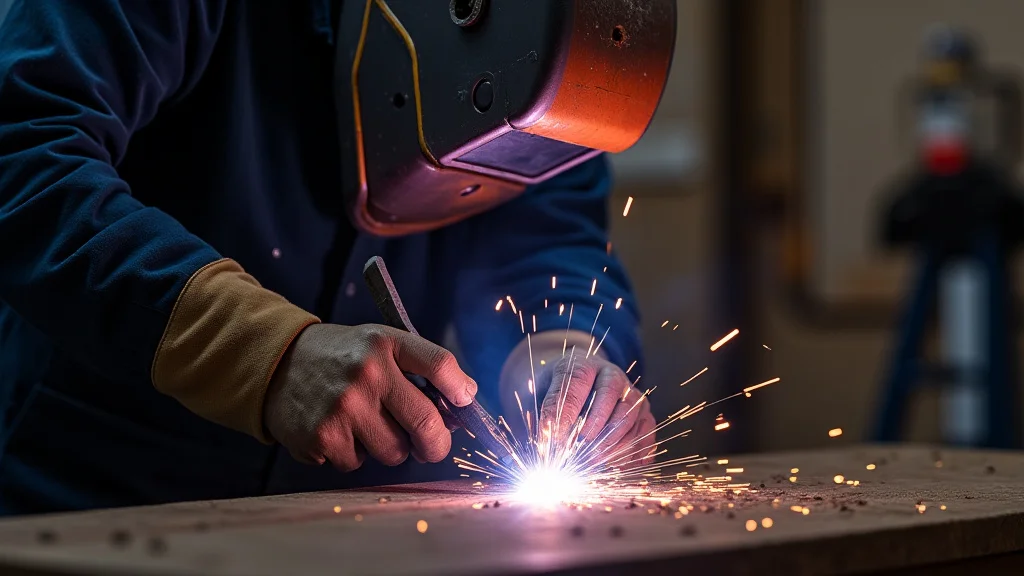
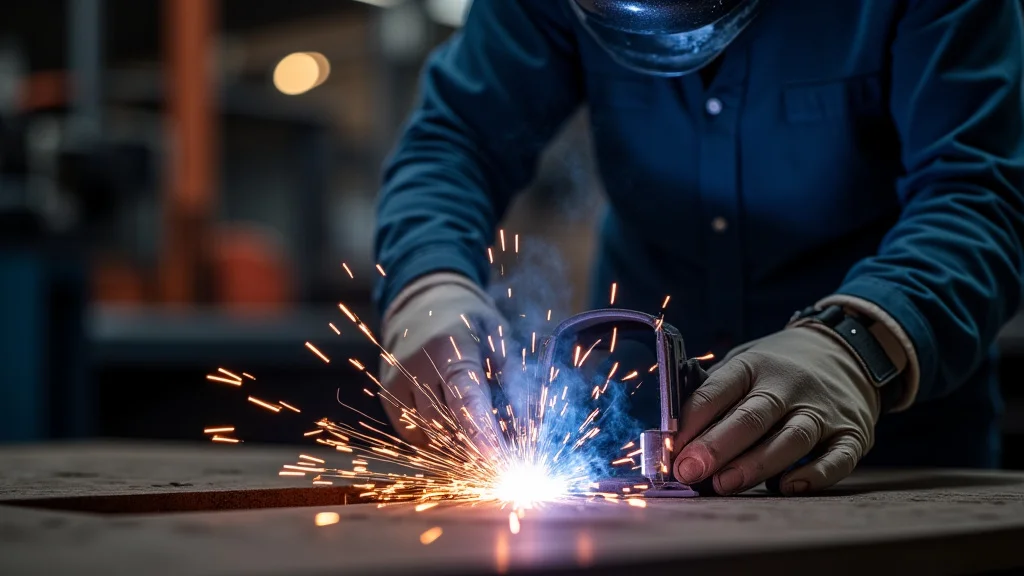
Your safety gear is your first line of defense. Always wear a welding helmet with the correct shade lens. This protects your eyes from bright flashes.
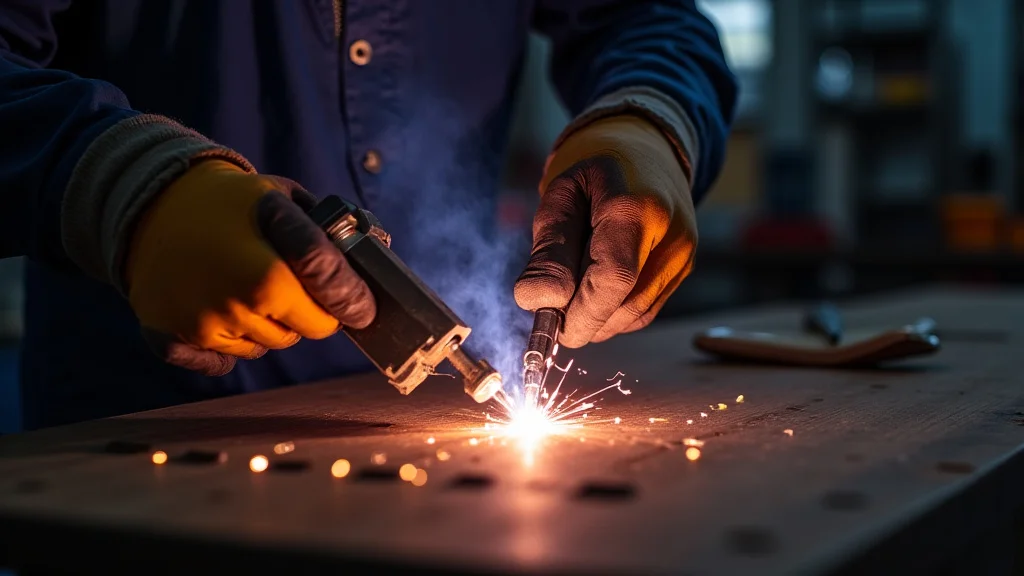
Welding jackets and pants made of leather or flame-resistant material are a must. They stop sparks and heat from burning your skin or clothes.
Heavy-duty gloves are also crucial. They protect your hands from heat, sparks, and sharp edges. Steel-toed boots protect your feet from falling objects and hot metal.
Don’t forget earplugs or earmuffs, as welding can be loud. Safety glasses worn under your helmet add extra eye protection.
Ventilation and Fume Extraction
Welding fumes can be harmful to your health. Good ventilation is key. If you’re welding outside, natural airflow is usually enough.
However, if you’re indoors, you need a plan for moving the fumes away. This can be a powerful fan pointing away from you. Or, better yet, a fume extraction system that pulls the fumes right out of the air.
Never weld in a confined space without proper ventilation. The fumes can build up and cause serious health problems. Make sure the air you breathe is as clean as possible.
Your lungs will thank you for it.
Fire Prevention and Control
Clearing the Area
Before you even strike an arc, clear the space around you. Remove anything that can catch fire. This includes sawdust, rags, paint, solvents, and even dry leaves if you’re outside.
Keep a minimum of 35 feet (about 11 meters) clear around your welding area.
Cover any nearby openings. This could be windows, vents, or doorways. Use fire-resistant blankets or tarps.
You want to stop sparks from flying into places where they can start a fire. Always think about where the sparks might go.
Fire Extinguishers and Water Buckets
Having fire safety equipment readily available is non-negotiable. Keep at least one ABC-rated fire extinguisher nearby. Know how to use it before you need it.
An ABC extinguisher can put out most types of fires you might encounter.
A bucket of water or sand can also be very useful for small fires or hot metal. Sometimes, a spark might land on the ground and start a small smolder. Being able to quickly put it out with water or sand can prevent a bigger problem.
Make sure you have these tools within easy reach.
Organizing Your Workspace
Tool Storage
A tidy workspace is a safe workspace. Keep your tools organized and stored properly. This prevents trips and makes it easy to find what you need.
Use toolboxes, shelves, and wall hangers for your welding equipment, clamps, and other supplies.
Keep welding rods in their original containers to protect them from moisture. Secure your welding machine so it won’t tip over. Store flammable liquids, like lubricants or cleaning agents, in a designated, safe area far from your welding zone.
Welding Table and Ground Clamp
A sturdy welding table is a great asset. It should be made of metal and be able to withstand heat and sparks. Ensure it is level and stable.
Your ground clamp needs to connect securely to this table or the workpiece. A good ground connection is vital for a stable arc and good welds.
Make sure the ground clamp is clean and free of rust or paint. This ensures a strong electrical connection. Keep the welding cables tidy and out of the way when not in use.
This prevents them from being damaged or causing a trip hazard.
Proper Lighting
Visibility and Safety
Good lighting is important for both safety and the quality of your work. You need to see what you are doing clearly. Poor lighting can lead to mistakes, which can be dangerous.
Make sure your workspace is well-lit.
Avoid glare that can make it hard to see. Position lights so they illuminate your work area without blinding you. Natural light is great, but you may need artificial lights for consistent illumination, especially for evening or indoor work.
Frequently Asked Questions
Question: What is the most important piece of safety gear for welding?
Answer: The most important piece of safety gear is your welding helmet to protect your eyes and face from intense light and heat.
Question: How far away should flammable materials be from my welding area?
Answer: You should keep flammable materials at least 35 feet (about 11 meters) away from your welding area.
Question: Do I really need a fume extractor indoors?
Answer: Yes, if you are welding indoors, a fume extractor or good ventilation is essential to remove harmful welding fumes from the air you breathe.
Question: Can I use any kind of fire extinguisher?
Answer: No, it’s best to have an ABC-rated fire extinguisher, as it can handle most types of fires you might encounter in a welding shop.
Question: How do I make sure my ground clamp works well?
Answer: Ensure your ground clamp is clean, free of rust and paint, and makes a firm connection to the workpiece or welding table for a good electrical circuit.
Final Thoughts
Creating a safe welding space doesn’t need to be complicated. By picking the right spot, using your safety gear, keeping fire hazards away, and staying organized, you’re well on your way. Remember good ventilation and lighting too.
These steps help protect you and your surroundings. Focus on these basics, and you’ll build a workspace that feels secure and lets you focus on your welding projects with confidence.