Many people starting out with MIG welding run into a “MIG Welder Gas Shield Problem? Fix Fast.” It’s a common hiccup because getting the gas flow just right is super important. Too much or too little can mess up your welds.
Don’t worry, though! This guide will walk you through finding and fixing this issue easily, step-by-step. We’ll cover what to look for and simple ways to get your gas shielding working perfectly again, so you can make great welds.
Key Takeaways
- You will learn what a MIG welder gas shield is and why it’s important for good welds.
- This post will explain common causes for gas shield problems in MIG welding.
- You will find simple, quick fixes for when your MIG welder gas shield isn’t working right.
- We will cover how to check your gas flow and fix issues like leaks.
- Learn how to adjust your gas settings for different welding jobs.
- Understand how to prevent gas shield problems before they happen.
Understanding the MIG Welder Gas Shield
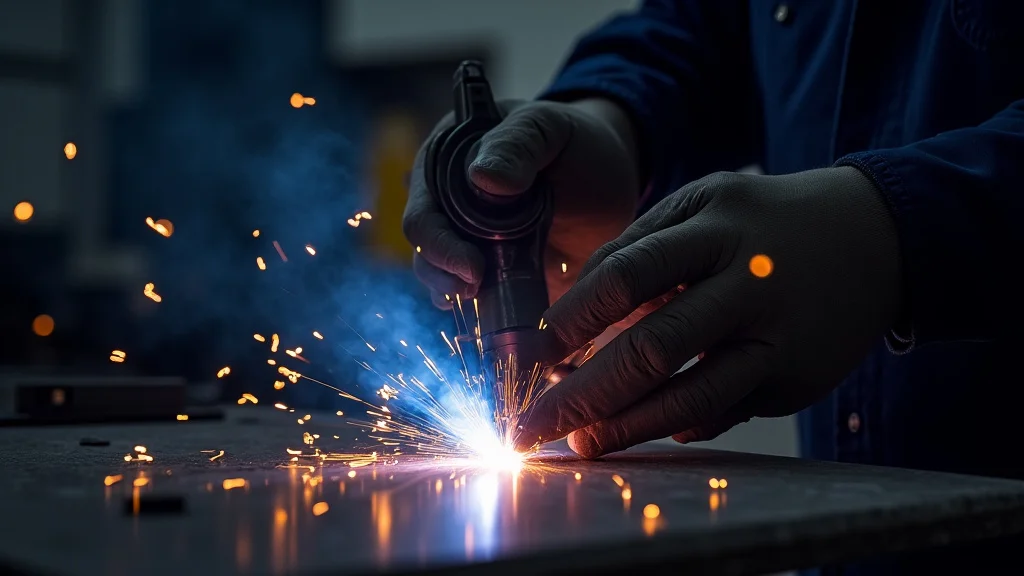
The gas shield is like a protective bubble around your weld. When you’re MIG welding, the machine pushes out a gas. This gas comes out of the welding gun right before and during the arc.
Its main job is to keep oxygen and nitrogen from the air away from the hot metal. These things in the air can make your weld weak and full of holes, which is called porosity. A good gas shield makes sure your weld is strong and looks nice.
Why Gas Shielding Matters
Think of it like this: when you’re cooking, you want to keep your food from burning or getting dirty. The gas shield does a similar thing for your weld. It creates a clean environment for the molten metal.
If this shield isn’t there or is weak, the molten metal can react with gases in the air. This reaction causes defects in the weld. These defects can make the weld brittle and more likely to break.
So, a proper gas shield is one of the most important parts of a good MIG weld.
Different Gases for Different Jobs
Not all MIG welding uses the same gas. The type of gas you use depends on the metal you are welding and the type of weld you want. For steel, common gases are pure CO2 or a mix of Argon and CO2.
Argon is a heavier gas that helps shield better. For aluminum, pure Argon is usually the best choice. Sometimes, Argon is mixed with other gases like Helium or Oxygen to get specific results.
Each gas mix has its own properties that affect the arc and the final weld. Using the wrong gas can cause the same problems as a bad gas flow.
Common MIG Welder Gas Shield Problems
When you encounter a “MIG Welder Gas Shield Problem? Fix Fast,” it often comes down to a few usual suspects. These problems can make your welds look bad, be weak, or even be unsafe.
Recognizing these common issues is the first step to fixing them quickly.
Porosity in Welds
Porosity is one of the most visible signs of a gas shield problem. You’ll see small holes or bubbles in your weld bead. This happens when gases from the air get trapped in the molten metal as it cools.
It can look like tiny little pinholes, or sometimes larger voids. This is a clear signal that your protective gas shield wasn’t doing its job properly.
Causes of Porosity:
- Not enough gas flow.
- Gas shield being blown away by wind or drafts.
- Contaminated base metal.
- Using the wrong shielding gas.
- Leaks in the gas hose or connections.
Poor Bead Appearance
A good weld bead should look smooth and consistent. When the gas shield is weak, the bead might look rough, spiky, or uneven. It might have a lot of splatter around it.
Sometimes, the weld might look burnt or have a dark, sooty appearance. These visual cues tell you the shielding gas isn’t protecting the molten pool correctly. The arc might also be unstable, sputtering and dancing around instead of being a steady stream.
Weak Welds
This is the most serious problem. If the gas shield fails, your welds will be weak. They might pass a visual inspection, but under stress, they can break easily.
This is because the weld has defects like porosity or incomplete fusion. Weak welds can be very dangerous, especially in critical applications like structural work or automotive repairs. You can’t always see these problems, but they are there.
Troubleshooting Your Gas Shield
When you’re dealing with a “MIG Welder Gas Shield Problem? Fix Fast,” let’s break down how to find and fix the issue. It’s usually a straightforward process of checking a few things.
Checking Gas Flow Rate
The first thing to check is the actual amount of gas flowing from your welding gun. You need to set this correctly on your gas regulator. A common starting point for steel is around 20-25 cubic feet per hour (CFH) for a standard nozzle.
For aluminum, you might need a bit more, like 25-30 CFH. You can test this by looking at the flowmeter on your regulator. Some have a ball that floats up in a tube, and you set it to the desired number.
Others have a dial.
How to Check:
- Turn on your gas cylinder valve slowly.
- Look at the flowmeter on your regulator.
- Adjust the knob until the ball (or dial) shows the recommended flow rate.
- Pull the trigger on your welding gun (without welding) and watch the ball to ensure gas is flowing.
Testing for Leaks
Gas leaks are a very common cause of poor shielding. Even a small leak can let in air or let your shielding gas escape too quickly. You need to check all the connections from the gas cylinder to your welding gun.
Where to Check for Leaks:
- Gas Cylinder Valve: Make sure it’s fully open.
- Regulator Connections: Check where the regulator screws onto the cylinder and where hoses connect to the regulator.
- Hose: Look for any cracks or damage in the gas hose.
- Gun Connections: Ensure the gas hose is securely attached to the welding machine and the welding gun.
- Gas Nozzle: The nozzle where the gas comes out should be clean and not damaged.
Leak Detection Method:
A simple way to find leaks is to use soapy water. Mix some dish soap with water in a spray bottle. Open the gas cylinder valve and set a low flow rate.
Spray the soapy water on all the connections and fittings. If you see bubbles forming, that’s where your leak is. Tighten the connection or replace the faulty part.
Examining the Gas Nozzle and Diffuser
The gas nozzle on your welding gun directs the flow of shielding gas. The diffuser is a small part inside the nozzle that spreads the gas evenly. If the nozzle is dirty, damaged, or clogged, the gas won’t flow out properly.
This can create uneven shielding or blow the gas away too fast.
What to Look For:
- Dirt and Spatter: Clean off any metal spatter that has built up inside or around the nozzle.
- Damage: Check for cracks, dents, or deformation in the nozzle. A damaged nozzle needs to be replaced.
- Diffuser Condition: The diffuser can get clogged or damaged. Ensure it’s clean and properly seated. If it’s worn out, replace it.
Regular cleaning of the nozzle and diffuser is essential. After each welding session, or even during a long session, take a moment to brush off any spatter.
Checking the Wire Feeder and Drive Rollers
While not directly a gas issue, problems with the wire feeder can indirectly affect gas shielding. If the wire isn’t feeding smoothly, it can cause the arc to be unstable. An unstable arc can disrupt the gas shield.
Ensure your drive rollers are clean and set to the correct tension for your wire size and type.
Wind and Drafts
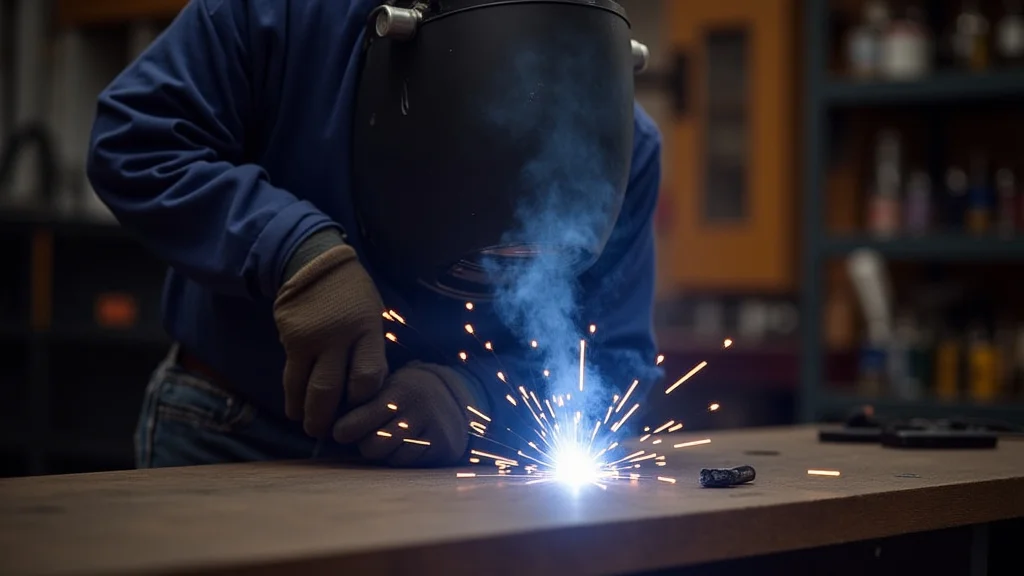
MIG welding outside or in an area with drafts is a major cause of gas shield failure. Even a light breeze can blow the shielding gas away from your weld pool. This lets in oxygen and nitrogen, causing porosity.
Solutions:
- Wind Shields: Use portable wind screens or barriers to block drafts.
- Work Indoors: If possible, weld in a more sheltered area.
- Reduce Gas Flow (with caution): Sometimes, you might need to slightly increase the gas flow rate to overcome minor drafts, but this should be a last resort. Too much flow can also be bad.
Adjusting Gas Settings for Different Metals
Getting the gas flow rate right is key to a good “MIG Welder Gas Shield Problem? Fix Fast.” The best setting depends on what you’re welding.
Welding Steel
For mild steel, a common mix is 75% Argon and 25% CO2. Pure CO2 can also be used but tends to create more spatter. The typical flow rate is around 20-25 CFH.
If you’re welding thin steel, you might use a bit less gas. For thicker steel, you might increase it slightly. It’s always good to test on a scrap piece first.
Welding Aluminum
Aluminum requires a different gas. Pure Argon is the standard choice for MIG welding aluminum. It helps to get good penetration and a clean weld.
The flow rate for aluminum is often a bit higher than for steel, around 25-30 CFH. Some specialized aluminum mixes exist, but pure Argon is a great starting point.
Welding Stainless Steel
Stainless steel also uses specific gas mixes. A common one is 98% Argon and 2% CO2. Other mixes might include small amounts of nitrogen.
These gases help prevent “carburization,” which can make stainless steel brittle. Flow rates are similar to steel, around 20-25 CFH.
Preventing Future Gas Shield Issues
To avoid future “MIG Welder Gas Shield Problem? Fix Fast” situations, a little regular care goes a long way. Being proactive can save you a lot of headaches and bad welds.
Regular Maintenance
Make it a habit to clean your welding gun, nozzle, and diffuser regularly. Check for any wear and tear on the gas hose and connections. Ensure your gas cylinder valve is functioning correctly.
A quick visual inspection before each welding session can catch small problems before they become big ones.
Proper Storage
Store your welding equipment properly. Keep your welding gun clean and free from dust and debris. Protect your gas cylinder from extreme temperatures.
If you’re not using the machine for a while, make sure the gas cylinder valve is closed.
Know Your Equipment
Read the manuals for your welding machine and gas regulator. Understanding the recommended settings for different materials and wire types will help you avoid common mistakes. Don’t guess; know what the manufacturer suggests.
Frequently Asked Questions
Question: What is the most common reason for porosity in MIG welds?
Answer: The most common reason for porosity is an insufficient or disrupted gas shield, often caused by low gas flow, leaks, or wind.
Question: How can I tell if I’m using too much shielding gas?
Answer: If you’re using too much gas, you might notice excessive spatter, an unstable arc, or the gas can actually blow molten metal away from the weld pool, creating a rough bead.
Question: Can I use any type of gas for MIG welding?
Answer: No, you cannot use any type of gas. Different metals require specific shielding gases to prevent contamination and ensure a strong weld. For example, steel uses Argon/CO2 mixes, while aluminum typically uses pure Argon.
Question: What should I do if my gas runs out during welding?
Answer: If your gas runs out during welding, stop immediately. You will likely have porosity and a weak weld. Turn off your welder, replace the gas cylinder, check for leaks, and re-establish the correct gas flow before starting a new weld.
Question: Is it important to check the gas pressure at the welding gun, not just the regulator?
Answer: While the regulator’s flowmeter shows the pressure from the cylinder, issues in the hose or gun can reduce the actual pressure reaching the weld. Checking the flowmeter is the primary step, and then observing the arc and bead appearance helps confirm if gas is reaching the weld effectively.
Final Thoughts
When you face a “MIG Welder Gas Shield Problem? Fix Fast,” remember it’s usually about checking your gas flow, looking for leaks, and making sure your nozzle is clean. These simple steps solve most issues.
Keep your settings right for the metal you’re welding, and pay attention to your surroundings, especially wind. With a little care and regular checks, you can keep your gas shield working perfectly for strong, clean welds every time.