It’s frustrating when your MIG welder doesn’t work right. Many beginners wonder, “Why Is My MIG Welder Producing Inconsistent Arc?” This can happen because many things need to be just right for a good weld. Don’t worry, though!
We’ll walk through this step-by-step. You’ll learn how to fix it and get those smooth welds you want. Let’s look at what causes this problem and how to solve it simply.
Key Takeaways
- You will learn the most common reasons for an inconsistent MIG arc.
- We will explain how wire feed speed affects your weld.
- You will discover the importance of proper voltage settings.
- We will cover how shielding gas impacts arc stability.
- You will find out how to check and clean your MIG gun consumables.
- Simple troubleshooting steps will be provided to fix your arc.
Understanding the MIG Welding Arc
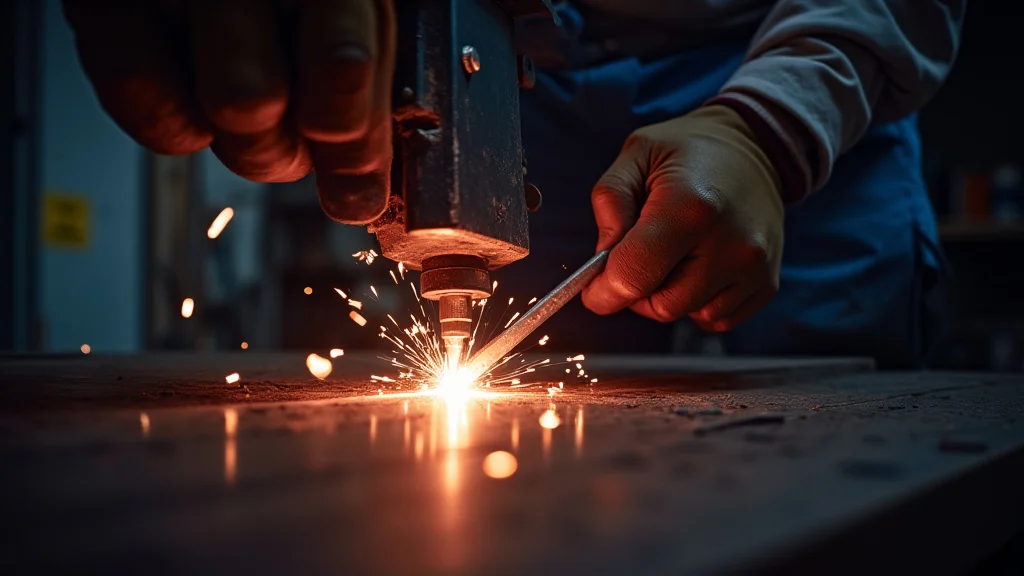
A MIG welder, also called Gas Metal Arc Welding (GMAW), uses a continuous wire electrode. This wire feeds through a welding gun. An electric arc forms between the wire and the metal you’re joining.
This arc melts both the wire and the metal, creating a strong bond. For a good weld, this arc needs to be steady and smooth. When it’s not, it’s called an inconsistent arc.
This can make your welds look messy and be weak.
Common Causes of an Inconsistent MIG Arc
Many things can make your MIG arc jumpy or spattery. It’s usually one or a few simple issues. Let’s break down the most frequent culprits so you can find the problem.
Wire Feed Speed (WFS) Issues
The wire feed speed controls how fast the wire comes out of the gun. If this speed is too high or too low, it messes up the arc. Too fast, and the wire might push too hard, causing spatter.
Too slow, and the arc can become long and unstable. It’s like trying to talk while breathing in and out too quickly; it’s hard to get the words out right.
Wire Tension
The rollers that push the wire need to have the right tension. If the tension is too tight, it can crush the wire or make the motor work too hard. This can cause the wire to feed unevenly.
If the tension is too loose, the rollers might slip, and the wire won’t feed at a steady pace. You want it just right, like holding a pencil firmly but not squeezing it too hard.
Dirty Rollers or Liner
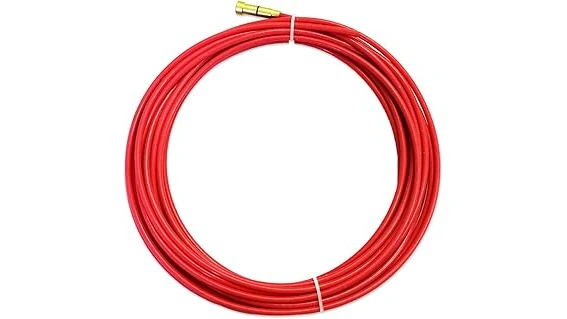
Over time, the feed rollers can get dirty with wire dust. A dirty liner, the tube inside the welding gun that the wire travels through, can also cause problems. If the liner is clogged or bent, the wire can snag.
This leads to jerky feeding and a rough arc. Cleaning these parts regularly is key.
Voltage Settings
Voltage controls the arc length and how hot the weld is. The right voltage makes the arc smooth. If the voltage is too high, the arc gets too long, and you’ll see lots of spatter.
The weld puddle can become too fluid and hard to control. If the voltage is too low, the arc is too short. This can cause the wire to stub into the weld pool, making popping noises and creating a rough bead.
Incorrect Voltage for Wire and Material
Different wire types and metal thicknesses need different voltage settings. A MIG welder usually has settings for voltage, and your wire spool or manual will tell you what to aim for. Not matching the voltage to your materials and wire is a common mistake.
It’s like trying to use a screwdriver on a bolt; it just won’t work well.
Shielding Gas Problems
Shielding gas is vital in MIG welding. It protects the molten metal from the air. If the air hits the hot metal, it causes impurities and makes the weld weak and spattery.
The gas flows from the cylinder, through the regulator, and out of the welding gun. Any issue in this path can cause problems.
Insufficient Gas Flow
If the gas flow is too low, there isn’t enough protection for the weld pool. You’ll see porosity (little holes) in your weld, and the arc will be unstable and spattery. You can usually hear the gas flowing from the gun, and you can check the regulator gauge.
Wrong Gas Type
Different metals require different shielding gases. For steel, a mix of Argon and CO2 is common. For aluminum, pure Argon is often used.
Using the wrong gas for your material will lead to poor weld quality and an inconsistent arc. Always check what gas is recommended for your specific project.
Drafts and Air Currents
Even with the right amount of gas, drafts can blow it away from the weld. If you’re welding near a fan, open door, or vent, the shielding gas can be disturbed. This allows air to get to the weld, causing issues.
Try to shield your welding area from drafts.
Leaky Connections
Any leaks in the gas hose, regulator, or connections can let gas escape before it reaches the weld. This reduces the amount of gas protecting your weld. You can sometimes hear hissing sounds if there are leaks.
Check all connections to make sure they are tight.
Contact Tip Issues
The contact tip is the small copper part at the end of the welding gun. The wire feeds through it, and it also conducts electricity. The contact tip must be the correct size for your wire.
If it’s worn or dirty, it can cause a bad connection.
Worn Contact Tip
As you weld, the hot arc wears down the inside of the contact tip. A worn tip can be larger than it should be, or the hole might not be perfectly round. This causes the wire to feed unevenly and can lead to arc instability and spatter.
It’s like trying to push a square peg through a round hole. Replace the contact tip when it starts to look worn or damaged.
Dirty Contact Tip
Spatter can build up inside the contact tip. This can block the wire or cause a poor electrical connection. If the tip is covered in spatter, clean it out with a wire brush or a small pick.
Some welders even use anti-spatter spray on the tip before welding to make cleanup easier.
Incorrect Size Contact Tip
Each wire diameter requires a specific size contact tip. If you use a tip that’s too big or too small for your wire, the wire won’t feed smoothly. This is a very common reason for inconsistent feeding and arc issues.
Always make sure the tip size matches your wire diameter.
Ground Clamp Connection
The ground clamp connects your welder to the metal you are welding. This completes the electrical circuit. If the ground clamp is not making good contact, the electricity can’t flow properly.
This results in a weak or inconsistent arc.
Poor Contact with Metal
The clamp needs to be attached to clean, bare metal. Rust, paint, or dirt on the workpiece or the clamp can prevent a good connection. Always scrape the metal where you attach the clamp to ensure a solid electrical path.
Sometimes, repositioning the clamp can help too.
Loose Connection
Make sure the cable from the welder is securely attached to the ground clamp. A loose connection here will also create resistance and lead to arc problems.
Welding Wire Problems
The wire itself can also be a source of arc inconsistency.
Kinked or Damaged Wire
If the wire gets kinked, twisted, or bent on the spool, it won’t feed smoothly through the gun. This causes interruptions in the wire feed, leading to a choppy arc. Check your spool for any signs of damage or tangles.
Wrong Wire Type or Diameter
Using the wrong type or diameter of welding wire for your welder or project is a sure way to get problems. Make sure the wire you are using matches the recommendations for your welder and the metal you are welding. For example, trying to run 0.035 inch wire through a tip meant for 0.023 inch wire will cause feeding issues.
External Factors
Sometimes, things outside the welder itself can cause issues.
Dirty Metal
If the metal you’re welding is dirty, oily, or rusty, it can cause the arc to be unstable. Contaminants on the surface get into the weld pool, leading to spatter and porosity. Clean your metal thoroughly before welding.
Incorrect Travel Speed
How fast you move the welding gun along the joint affects the weld. If you move too fast, you won’t get enough heat into the metal, and the arc can seem jumpy. If you move too slow, you can overheat the metal, causing excessive spatter and a wide, uncontrolled weld puddle.
Finding the right speed takes practice.
Troubleshooting Steps
When you notice your MIG arc is inconsistent, follow these steps to find and fix the problem. Work through them one by one.
1. Check the Basics
- Is the welder plugged in properly? Ensure power is consistent.
- Is the ground clamp securely attached to clean metal? Scrape the metal if needed.
- Is the shielding gas turned on? Check the cylinder valve and regulator.
2. Examine the Wire Feed System
- Check wire tension: Adjust the tension arm so the wire feeds smoothly without slipping or being crushed.
- Inspect feed rollers: Clean them if they look dirty. Make sure they are the correct size for your wire.
- Inspect the liner: Gently pull wire and listen for any snags. If you suspect an issue, it may need replacing.
- Check for kinks: Make sure the wire isn’t kinked on the spool or along the cable.
3. Review Your Settings
- Wire Feed Speed (WFS): Start with a recommended setting for your wire type and material thickness. Adjust as needed.
- Voltage: Set your voltage according to the wire manufacturer’s recommendations for your wire size and material. Fine-tune for a smooth arc.
- Amperage: This is often tied to WFS and voltage. Ensure they work together.
4. Inspect the Gun and Consumables
- Contact Tip: Check for wear or spatter buildup. Clean or replace as needed. Ensure it matches your wire size.
- Nozzle: Ensure it’s clean and not clogged with spatter.
- Gas Nozzle: Make sure the gas flows evenly from the nozzle.
5. Evaluate Shielding Gas
- Flow Rate: Set your regulator to the recommended flow rate (usually 15-25 CFH). Listen for gas flow when you pull the trigger.
- Gas Type: Confirm you are using the correct gas for your material.
- Leaks: Listen for hissing sounds from the gas hose or connections.
- Drafts: Shield your work area from any wind or strong air currents.
6. Clean Your Workpiece
- Ensure the metal you are welding is free of rust, paint, oil, and dirt.
Frequently Asked Questions
Question: What is the most common reason for a MIG arc to be inconsistent?
Answer: The most common reasons are incorrect wire feed speed, wrong voltage settings, or problems with the shielding gas supply.
Question: How does wire feed speed affect the arc?
Answer: If the wire feed speed is too high, it can cause too much spatter and a “pushing” feel. If it’s too low, the arc can become long and unstable, leading to poor penetration.
Question: Should I use anti-spatter spray?
Answer: Yes, anti-spatter spray can be helpful. You spray it on the contact tip and nozzle before welding to prevent spatter from sticking. This makes cleaning easier and helps maintain good electrical contact and gas flow.
Question: My welds are very spattery. What could be wrong?
Answer: Excessive spatter is often caused by voltage being too high, wire feed speed being too high, a worn or dirty contact tip, or insufficient shielding gas. Check these areas first.
Question: How do I know if my contact tip is worn out?
Answer: A worn contact tip will have a larger hole than the original size, or the hole might be misshapen. You might also notice increased spatter and a less stable arc that’s hard to fix with just setting adjustments.
Final Thoughts
Fixing an inconsistent MIG arc involves checking a few key parts of your setup. You learned that issues with wire feed speed, voltage, and shielding gas are very common. Paying attention to your contact tip, ground clamp, and the cleanliness of your materials also makes a big difference.
Remember to always use the right settings and parts for your specific wire and metal. By following these simple steps, you can get a smooth, stable arc and make great welds. Keep practicing, and you’ll get the hang of it!