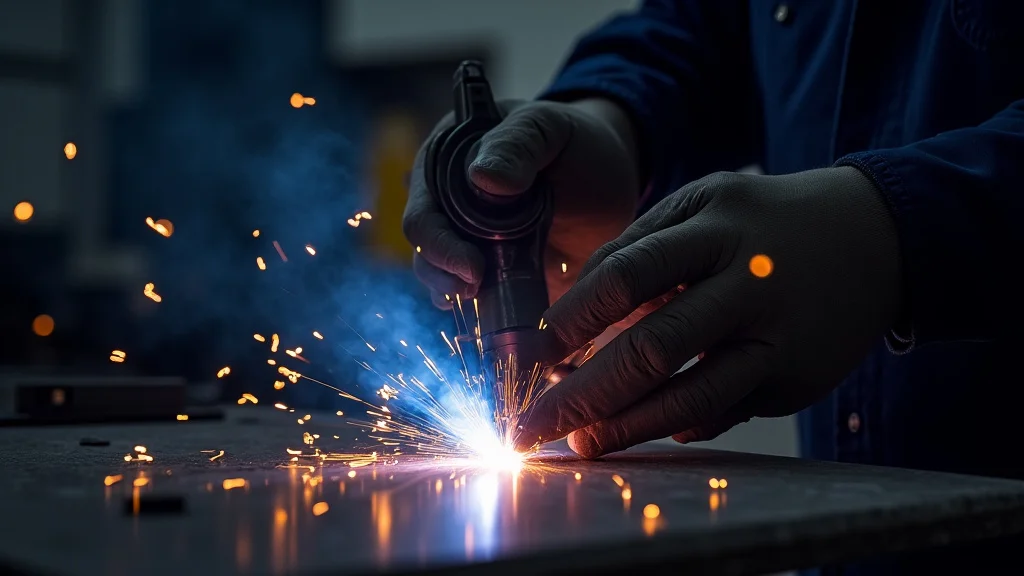

Having a Stick Welder Cable Connection Loose? Solution can be a common headache, especially when you’re just starting out with stick welding. It’s easy to overlook how important a tight connection is for getting good welds.
Don’t worry, though! This problem is usually simple to fix. We’ll walk you through exactly what to do, step by step, so you can get back to welding safely and effectively.
After we cover how to fix it, we’ll look at how to keep it from happening again.
Key Takeaways
- You will learn why a loose connection happens.
- You will discover the simple steps to tighten your welder cables.
- You will find out how to check your cables for damage.
- You will understand the importance of a good connection for weld quality.
- You will get tips on how to prevent loose connections in the future.
Why Welder Cable Connections Get Loose
It’s not really a mystery why your stick welder cable connections might get loose. Think about what happens when you weld. The cables get moved around a lot.
They might get tugged, twisted, or even stepped on sometimes. All this movement puts stress on the connection points. Vibration from the welding machine itself can also loosen things over time.
It’s just regular wear and tear, like anything that gets used a lot.
Also, sometimes, when you first set up your welder, the connections might not be tightened as much as they should be. People new to welding might not realize how crucial a secure fit is. They might just twist it on until it feels snug, but not realize it needs to be really tight for the best electrical contact.
Another reason is dirt and debris. If there’s rust, grease, or metal shavings on the connector or the terminal, it can stop the connection from seating properly. This can make it seem like it’s tight when it’s not making good electrical contact, and over time, the slight movement can loosen it further.
The Dangers of a Loose Cable Connection
A loose connection isn’t just annoying; it can actually be dangerous and cause problems with your welding. When the connection isn’t tight, electricity doesn’t flow as smoothly as it should. This can lead to a few issues.
One big problem is heat. A poor connection creates resistance. Electricity has a harder time getting through, and when things have a hard time getting through, they tend to get hot.
This can make the cable connector, the machine terminal, and even the cable itself get very warm, which is a fire hazard. You might even smell something burning.
Another issue is inconsistent welding. If the electricity flow is weak or fluctuates because of a loose connection, your arc will be unstable. This means your welds won’t look good.
You might get spatter, poor penetration, or even welds that look like they didn’t stick properly. It makes the whole welding process frustrating.
Finally, it can damage your welding equipment. The extra heat and poor current flow can put a strain on your welder’s internal components. Over time, this can shorten the life of your machine or even cause a breakdown.
It’s much cheaper to fix a loose cable than to repair a damaged welder.
Finding the Loose Connection
The first step in fixing a loose connection is knowing where to look. There are usually two main places your cables connect: one from the power source to the electrode holder (this is often called the work clamp or ground clamp), and another from the power source to the electrode holder (this is the welding cable). It’s important to check both.
For the ground clamp, this cable connects to your metal workpiece or the welding table. It’s supposed to provide a path for electricity to return to the welder. Make sure the clamp itself is clean and gripping the metal firmly.
Then, check where the cable attaches to the clamp. This connection can sometimes be a screw terminal or a quick-disconnect plug.
The welding cable, which goes to your electrode holder (the “stick holder”), also has a connection point on the welding machine. This is usually a larger terminal, often a twist-lock type or a heavy-duty clamp. This is where a lot of the current flows, so it’s a prime spot for problems.
How to Tighten Your Welder Cables
Fixing a loose connection is usually quite simple. It mostly involves making sure everything is clean and then tightening it down securely. Let’s break it down.
Step 1: Safety First!
Before you touch any cables or connections, always turn off your welding machine and unplug it from the wall. This is super important to avoid getting shocked. Also, wear your safety glasses and gloves.
Even with the machine off, it’s good practice to protect yourself.
Step 2: Inspect the Connection Point
Look closely at where the cable connects to the machine or the clamp. You’ll likely see a metal terminal. Check if it looks dirty, rusty, or if there’s any buildup of grease or metal dust.
If you see any of these, you need to clean it.
Step 3: Clean the Terminals
Use a wire brush to clean both the metal end of the cable connector and the terminal on the welding machine or clamp. You want to get down to shiny metal. If it’s really stubborn, you can use a bit of sandpaper.
For the quick-disconnect types, sometimes a cloth with a little bit of electrical contact cleaner works wonders. Make sure everything is dry after cleaning.
Step 4: Reconnect and Tighten
Now, carefully reattach the cable. If it’s a screw-on type, twist it on firmly. You want it to be snug.
Don’t be afraid to use a little bit of force to get it really tight. If it’s a clamp-style connection, make sure it’s firmly gripping the terminal. For twist-lock connectors, push it in and then twist it until it locks securely.
You should feel it click or seat firmly.
Step 5: Test the Connection
Once everything is reconnected and tightened, give the cable a gentle tug. It shouldn’t feel loose at all. Then, you can turn your welder back on and try welding.
Pay attention to how the arc starts and if it feels stable. If you notice any improvements, the loose connection was likely the issue.
Checking Cables for Damage
Sometimes, the problem isn’t just a loose connection but damage to the cable itself. Cables can wear out over time, especially if they are old or have been used a lot in tough conditions.
Carefully look over the entire length of both your ground cable and your welding cable. Check for any cuts, nicks, or abrasions in the rubber or plastic insulation. If you see exposed wires, that cable is damaged and needs to be replaced.
It’s a serious safety hazard and will cause electrical problems.
Also, look at the ends of the cables where they connect. Are the terminals crimped on tightly? Is there any corrosion or damage right at the point where the cable meets the connector?
Sometimes, the metal ferrule that holds the wire strands can loosen or corrode, causing a bad connection even if the outside looks okay.
If you find any damage, it’s best to get the cable replaced. Trying to repair a damaged welding cable can be tricky and often doesn’t hold up well, especially under the high currents of stick welding. A new cable is a small price to pay for safety and good welds.
Understanding Different Connector Types
Stick welders use a few different types of connectors to hook up the cables. Knowing what you have helps you make sure you’re tightening them correctly.
- Twist-Lock Connectors: These are very common. You push the connector into the machine’s socket and then twist it, usually about a quarter turn. This locks it in place. To tighten, make sure it’s fully pushed in before twisting and then give it a good twist until it feels solid.
- Quick-Connect Plugs: Some smaller or older machines might have simple plug-in connectors. These usually have a pin that goes into a hole. You just push them in firmly. Sometimes, there’s a set screw on the side of the machine’s terminal that needs to be tightened with an Allen wrench to hold the plug in place.
- Clamp Terminals: Less common for the main welding cable, but often used for ground clamps. These have a bolt and nut arrangement. You’ll need a wrench to tighten the nut securely, ensuring the cable lug is firmly clamped down.
Whichever type you have, the goal is the same: a solid, metal-to-metal contact that can handle a lot of electrical current without getting hot.
The Importance of a Good Ground
When we talk about loose cable connections, the ground cable is just as important, if not more so, than the welding cable. A good ground connection ensures that electricity can flow easily back to the power source.
If your ground clamp is loose or dirty, you’ll have many of the same problems as a loose welding cable: arc instability, spatter, and poor weld quality. The electricity has to go somewhere, and a bad ground makes it harder for it to do its job.
Always make sure your ground clamp is attached to clean, bare metal. Paint, rust, and dirt are insulators. They can make a seemingly tight clamp connection a very poor electrical one.
Sometimes, you might need to scrape away a little bit of paint or rust from the metal surface where you’re clamping to ensure good contact.
For best results, the ground clamp should be as close to your weld area as possible. This reduces the distance the electricity has to travel, leading to a more efficient and stable welding process.
Preventing Future Loose Connections
Once you’ve fixed your loose connection, you’ll want to keep it from happening again. A little regular maintenance goes a long way.
Post-Weld Check: After you finish welding for the day, take a moment to check your cable connections. Give them a quick twist or wiggle to ensure they are still tight. It only takes a few seconds.
Regular Cleaning: Make it a habit to clean your connection points every so often. A quick wipe with a cloth or a brush can prevent dirt and corrosion from building up. This is especially important if you weld in dusty or dirty environments.
Cable Management: Try to keep your cables neat and organized. Avoid letting them drag on the ground, get kinked, or be run over by things. Store them properly when you’re not using them.
Inspect Periodically: Set a reminder to do a more thorough inspection of your cables and connections every few months. Look for any signs of wear or damage. Catching small issues early can prevent bigger problems down the road.
Frequently Asked Questions
Question: What happens if I keep welding with a loose cable connection?
Answer: If you continue to weld with a loose cable connection, you risk overheating the cable and connector, which can lead to a fire. You will also experience poor weld quality, including unstable arcs and inconsistent penetration. It can also damage your welding machine.
Question: Can I use pliers to tighten my welder cables?
Answer: While you can use pliers for some connectors, it’s better to use the correct tool if available, like a wrench for clamp terminals or just your hand for twist-lock connectors. Over-tightening with pliers can damage the connector. The goal is a firm, secure fit, not crushing.
Question: My welder cable connector is stuck, what should I do?
Answer: First, ensure the welder is unplugged and turned off. Gently try wiggling the connector while pulling or twisting. If it’s a twist-lock type, make sure you’re twisting in the unlocking direction.
Sometimes, a small amount of electrical contact cleaner can help lubricate it. If it’s still stuck, don’t force it too hard, as you could damage the machine’s socket.
Question: How often should I clean my welder cable connections?
Answer: It’s a good idea to clean your connections at least once a month, or more often if you weld frequently or in a dirty environment. A quick visual check and wipe down after each welding session is also beneficial.
Question: Is it okay to use a damaged cable if I tape it up?
Answer: No, it is not safe to use a damaged welding cable, even if you tape it. Exposed wires or damaged insulation are serious safety hazards and can cause electrical shocks or fires. Damaged cables should always be replaced.
Final Thoughts
You’ve learned why a Stick Welder Cable Connection Loose? Solution is a common issue and how easy it is to fix. By regularly checking and cleaning your cable connections, you ensure safe operation and better welds.
Keep those connections tight, clean, and free of damage. Your stick welder will perform better, and you’ll weld with more confidence. Happy welding!