Welding can be tricky, especially when you’re just starting out. You might be wondering, How Do You Prevent Welding Burn Through? It’s a common worry because it’s easy to make a hole in your metal instead of joining two pieces. Don’t worry, though!
This guide will show you simple steps to avoid this problem. We’ll cover the basics and give you tips to get it right every time.
Key Takeaways
- You’ll learn what causes burn-through.
- We will explain how to pick the right settings for your welder.
- You will discover techniques for controlling heat.
- You will find out how metal thickness matters.
- You will see how travel speed affects burn-through.
Understanding Welding Burn Through
What is Welding Burn Through?
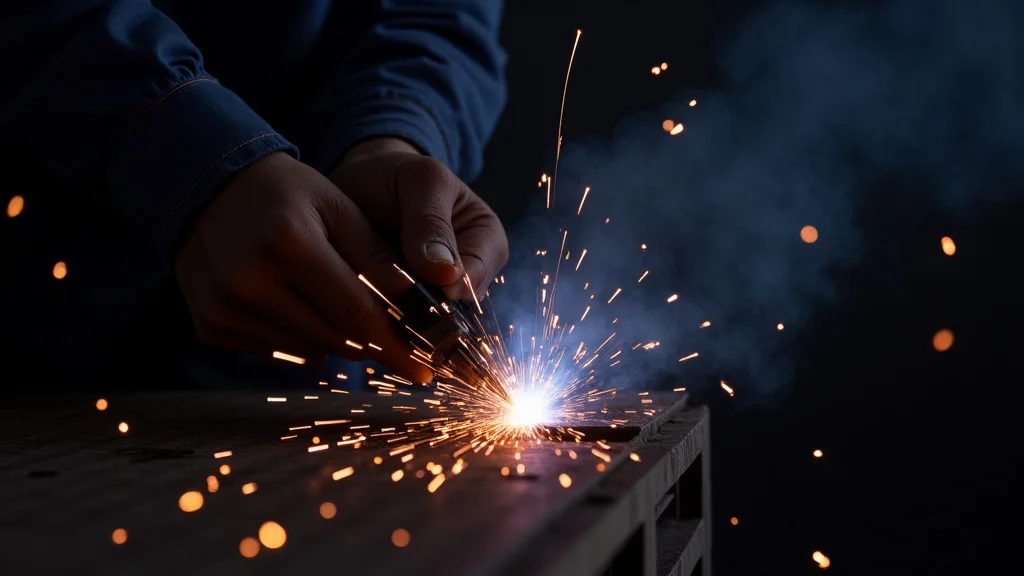
Welding burn through happens when the heat from your welding torch melts a hole right through the metal you are trying to join. It’s like making a hole instead of a strong weld. This is frustrating because it weakens your work and often means you have to start over.
Why It Happens
The main reason burn through occurs is too much heat. This heat can come from several places. It might be your welding machine set too high, moving your torch too slowly, or using the wrong type of welding gas.
Also, very thin metal is much more likely to burn through than thick metal.
Factors Affecting Burn Through
Metal Thickness
The thickness of the metal you’re welding is a big deal. Thinner metals need less heat and a faster hand. Thicker metals can take more heat and you can move a bit slower.
If you try to weld thin metal like a piece of paper with the same settings you’d use for a thick steel plate, you’ll almost certainly burn through.
Thin Metal Challenges
Welding thin metals, like sheet metal used in cars or some crafts, is where burn through is most common. These metals have less material to absorb the heat. A tiny bit too much heat or a slight pause can melt right through.
Thick Metal Considerations
Thicker metals are more forgiving. They can handle more heat and slower welding speeds. However, you still need to control the heat to create a good bond.
If you don’t put enough heat into thick metal, you won’t get a strong weld.
Welding Machine Settings
Your welding machine has settings for voltage and amperage. These control the heat output. For thin metal, you need lower settings.
For thicker metal, you need higher settings. Finding the sweet spot is key.
Amperage and Voltage Explained
Amperage is like the amount of electricity flowing. More amperage means more heat. Voltage is like the pressure behind that electricity.
Higher voltage can make the arc longer and hotter. You need to match these to your metal thickness and welding wire.
Material Type
Different metals need different settings. Steel, aluminum, and stainless steel all behave differently under heat. Aluminum, for example, melts at a lower temperature and conducts heat very quickly, making it prone to burn through if not handled carefully.
Welding Technique
How you move your welding torch and electrode matters a lot. Your speed, angle, and how you move the torch can all help prevent burn through.
Travel Speed
This is how fast you move the welding torch along the joint. If you move too slowly, the heat builds up in one spot and melts through. If you move too fast, you won’t get enough heat to fuse the metals properly, leading to a weak weld.
Torch Angle
The angle of your welding torch affects how the heat is directed. For most welding, you want to have a slight drag or push angle. This helps to control the molten pool and the heat.
Weaving vs. Straight Pass
Some welders use a weaving motion to spread the heat. This can be useful for thicker materials. For thinner materials, a straight, consistent pass is often better.
A wide weave on thin metal can easily cause burn through.
Filler Metal
The welding wire or rod you use adds metal to the joint. The diameter and type of filler metal are important. A smaller diameter wire is generally used for thinner metals because it deposits less heat.
Wire Diameter
For thin sheet metal, a small diameter wire is best. This allows you to use lower amperage and control heat better. Larger diameter wires are for thicker materials.
Filler Metal Type
The composition of the filler metal can also play a role. Some filler metals are designed to melt at slightly different temperatures or flow differently. Always choose a filler metal that is compatible with the base metal you are welding.
Shielding Gas
Shielding gas protects the molten weld pool from the air. The type and flow rate of the gas are important. For some materials, like aluminum, a specific mix of gases is needed.
Gas Type
For steel, a common gas is Argon or a mix of Argon and CO2. For aluminum, pure Argon is often used. The wrong gas can lead to poor weld quality and can indirectly affect heat control.
Gas Flow Rate
Too much gas can cool the weld too quickly, leading to poor fusion. Too little gas means the weld pool isn’t protected, and you can get defects. The correct flow rate is usually found in your welding machine’s manual or on the gas manufacturer’s recommendations.
Practical Tips to Prevent Burn Through
1. Know Your Metal
Before you start welding, always check the thickness of the metal. This is the first step to setting your machine correctly.
2. Set Your Machine Wisely
Start with the manufacturer’s recommended settings for the metal thickness you are working with. Then, be prepared to adjust them slightly.
Here’s a basic guide for common steel thicknesses using MIG welding:
| Metal Thickness (Gauge) | Amperage (Approximate) | Wire Speed (Approximate) |
|---|---|---|
| 24-20 (Thin) | 30-75 | 100-200 IPM |
| 18-14 (Medium) | 75-150 | 200-350 IPM |
| 12-10 (Thick) | 150-200+ | 350+ IPM |
Note: IPM stands for Inches Per Minute and is a common measure for wire speed on MIG welders. These are starting points; fine-tuning is often needed.
3. Practice Your Speed
Practice welding on scrap pieces of the same metal. Focus on moving your torch at a steady pace. Listen to the sound of the arc – it can tell you if your speed is right.
4. Control the Heat
If you notice you’re getting too hot, pause very briefly (just a fraction of a second) or speed up slightly. For some machines, you can also adjust the inductance, which affects the arc’s fluidity and heat.
5. Use the Right Wire
For thin sheet metal, use the smallest diameter wire your machine can handle. This will require less amperage and give you better heat control.
6. Check Your Gas
Make sure your shielding gas flow is set correctly. Too much gas can cool the weld, but too little can cause issues too. A good starting point is usually 15-25 cubic feet per hour (CFH) for MIG welding, but check your equipment’s manual.
7. Try a Stitch Weld
Instead of welding a continuous line, try a stitch weld. This involves welding a short bead, then jumping a short distance and welding another bead. This helps to spread out the heat.
8. Backer Material
For very thin metals, you can sometimes use a backing material behind the weld. This can be copper, aluminum, or even a heat-resistant tape. It helps to absorb some of the heat and prevent burn through.
Frequently Asked Questions
Question: What is the biggest mistake beginners make that causes burn through?
Answer: The most common mistake is using too much heat, either by having the machine set too high or by moving the welding torch too slowly. Not matching the settings to the metal thickness is also a big problem.
Question: Can I fix a weld that has burned through?
Answer: Yes, you can often fix it. You’ll need to clean up the hole, maybe add a small patch of metal, and then re-weld the area carefully. It takes practice to make it look seamless.
Question: Does the welding position affect burn through?
Answer: Yes, it can. Welding overhead or vertically can make it harder to control the molten metal and heat compared to flat welding, sometimes making burn through more likely if you’re not careful.
Question: How does amperage relate to burn through?
Answer: Higher amperage means more heat. If the amperage is too high for the metal’s thickness, it will melt through. Lowering the amperage reduces the heat.
Question: What is the best type of welding to avoid burn through on thin metal?
Answer: TIG welding is often considered the best for thin metals because it gives you the most control over heat. MIG welding can also be used effectively with the right settings and technique.
Final Thoughts
Learning how to prevent welding burn through is a key skill. It comes down to paying attention to the metal’s thickness, setting your machine just right, and moving your torch smoothly and at the correct speed. Don’t get discouraged if you have a few mistakes at first.
Keep practicing these simple steps, and you’ll get the hang of it. You’ll be making clean, strong welds in no time.