Picking the right welding rod can seem tricky at first. Many beginners wonder How to Choose Welding Rods for Different Metals. This is because different metals need different rods to join them well.
But don’t worry! We’ll make it simple. This guide will show you exactly what you need to know, step by step.
Get ready to learn the basics so you can weld with confidence.
Key Takeaways
- You’ll learn that matching the rod to the metal is key for strong welds.
- We’ll cover common metals like steel, stainless steel, and aluminum.
- You will discover how rod numbers, like E6010 or E7018, tell you a lot.
- This post will explain how the welding process (like Stick, MIG, or TIG) affects rod choice.
- You’ll get tips on how to read rod packaging for important details.
- We will help you avoid common mistakes when selecting welding rods.
Understanding Welding Rods
What is a Welding Rod?
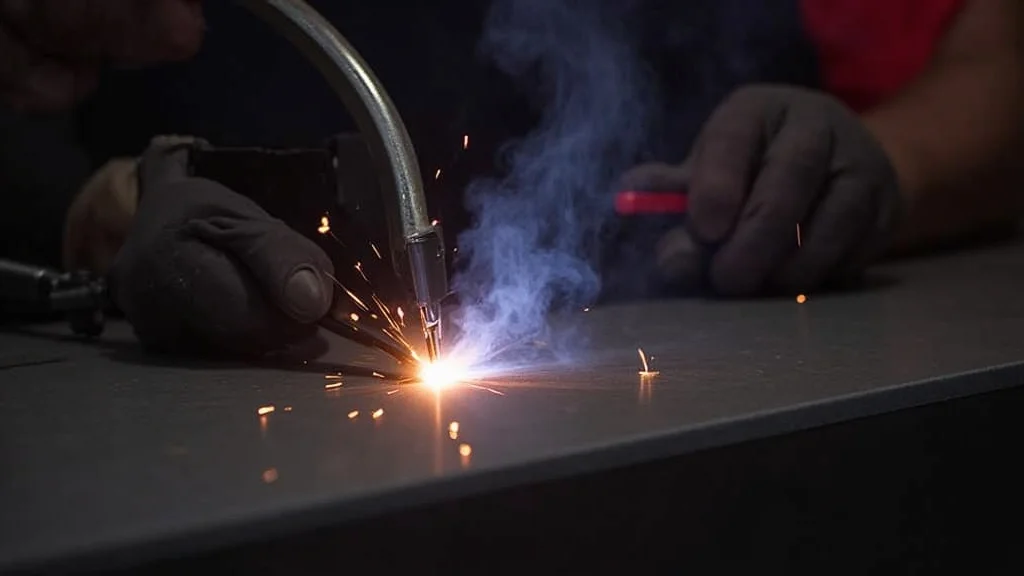
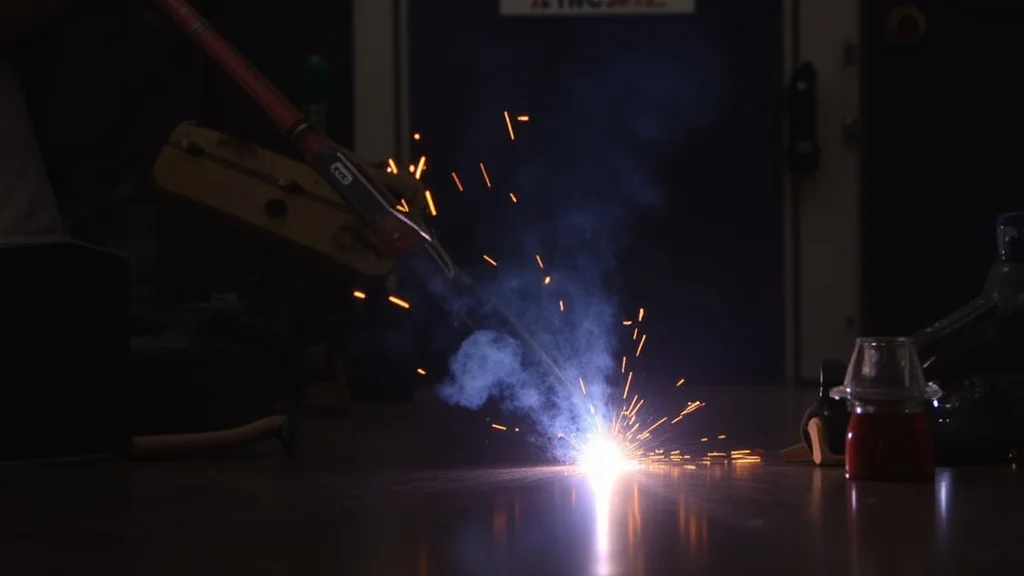
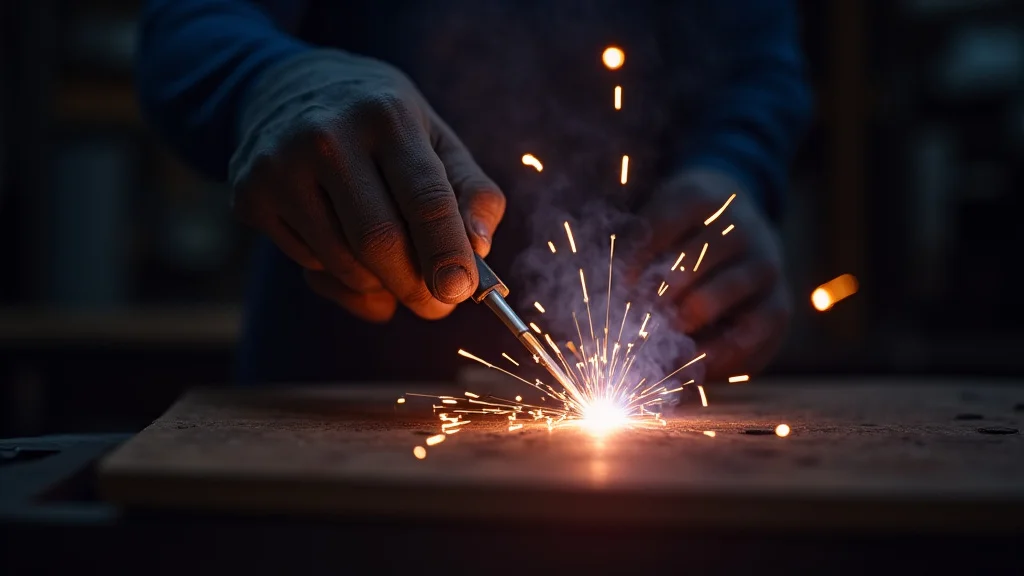
A welding rod, also called an electrode, is a stick of metal used in welding. It helps create an electric arc. This arc melts the metal you are joining and the rod itself.
The melted rod then mixes with the base metal. It cools to form a strong bond. Think of it like a special glue stick for metal.
The type of rod you use is very important. It needs to be compatible with the metal you’re welding. Using the wrong rod can lead to weak joints, cracks, or poor weld appearance.
For beginners, knowing the differences can be confusing.
Why Rod Choice Matters
Different metals have different properties. Some are strong, some are flexible, and some react differently to heat. Welding rods are made with specific alloys.
These alloys are designed to match the properties of the base metal. This helps ensure the weld will be as strong as, or even stronger than, the original metal.
For example, welding plain steel with a rod meant for aluminum will not work well. The chemical reactions and melting points are too different. Getting the rod right means your weld will hold up under stress.
Common Metals and Their Rods
Mild Steel
Mild steel is one of the most common metals you’ll find. It’s used in everything from car frames to construction beams. For mild steel, you have several good rod options.
The most popular rods for mild steel are the E6010 and E7018. The “E” stands for electrode. The first two digits, like “60” or “70”, indicate the tensile strength of the deposited weld metal in thousands of pounds per square inch (psi).
So, E60xx means the weld metal has about 60,000 psi tensile strength, and E70xx means about 70,000 psi.
E6010 Rods
E6010 rods are known for their deep penetration. This means they can burn through rust, mill scale, and paint better than other rods. They produce a forceful arc and spray-type transfer.
They work well on dirty or rusty metal. They are often used for pipe welding and in situations where you need to get into tight spots.
These rods require a DC welding machine with a positive polarity (DC+). They can be a bit harder for beginners to control because of their intense arc. The slag, which is a protective coating that forms during welding, is often glassy and can be a bit harder to chip off.
E7018 Rods
E7018 rods are often called “low-hydrogen” rods. This is because they contain special flux that creates very little hydrogen in the weld. Hydrogen can make steel brittle.
So, E7018 welds are generally stronger and less prone to cracking, especially on thicker materials or high-carbon steels.
They produce a smoother arc and a softer spray than E6010. This makes them easier for beginners to handle. They are great for structural welding where strength and quality are important.
E7018 rods can be used on both AC and DC (DC+) machines. It’s important to keep E7018 rods dry. Moisture can reduce their low-hydrogen properties.
Stainless Steel
Stainless steel is used for its resistance to rust and corrosion. It’s found in kitchens, medical equipment, and chemical plants. Welding stainless steel requires rods that match its chemical composition to maintain its corrosion resistance.
Common Stainless Steel Rods
For common types of stainless steel, like 304 or 316, you’ll often use rods designated as E308 or E316. The “3” in the number indicates it’s a type of stainless steel. The following digits (08, 16, etc.) specify the exact alloy.
E308 rods are used for welding 304 stainless steel. This is the most common type of stainless steel. E308 rods provide good corrosion resistance.
They create a smooth bead and are relatively easy to use.
E316 rods are used for welding 316 stainless steel. This type of stainless steel has molybdenum added. This makes it even more resistant to corrosion, especially in salt environments.
E316 rods are recommended when you need that extra level of protection.
When welding stainless steel, it’s important to avoid overheating. This can burn off the chromium, which is what makes it stainless. You also need to clean the metal thoroughly before welding.
Any contaminants can affect the weld and its corrosion resistance.
Aluminum
Aluminum is lightweight and strong, used in aircraft, vehicles, and cookware. Welding aluminum can be more challenging than steel. Aluminum oxidizes very quickly.
It has a low melting point, making it easy to burn through.
For aluminum, you typically use TIG or MIG welding. The “rods” used in these processes are often called filler wires. For TIG, the filler rod is a solid wire.
For MIG, the filler wire is fed through the machine.
Aluminum Filler Wires
The most common aluminum filler wires are ER4043 and ER5356. The “ER” means it can be used for both gas-tungsten arc welding (TIG) and gas-metal arc welding (MIG).
ER4043 is a very popular choice. It contains silicon. This helps to reduce the melting point of the aluminum.
It also helps to prevent cracking during solidification. It flows well and is easy to use, making it a good choice for general-purpose aluminum welding. However, it may not offer the highest strength or the best corrosion resistance compared to other alloys.
ER5356 contains magnesium. This alloy generally provides higher tensile strength and better ductility than ER4043. It also has good corrosion resistance, especially in saltwater.
However, it can be more prone to cracking than ER4043 if you’re not careful. It’s often used for welding thicker aluminum parts or when higher strength is needed.
When welding aluminum, it’s essential to clean the metal very well. Use a stainless steel brush dedicated only to aluminum. Remove the oxide layer.
You also need to use the correct shielding gas, usually pure argon for TIG and a mix of argon and helium for MIG.
Other Metals and Special Applications
Cast Iron
Cast iron is brittle. Welding it can be difficult because it’s prone to cracking. Special rods are needed to create welds that can handle the stress.
For cast iron, you might use nickel-based rods, like E Ni-CI or E NiFe-CI. These rods are softer than cast iron. They can absorb the stresses that occur as the weld cools.
This helps prevent cracks. E Ni-CI is for most general cast iron repairs. E NiFe-CI is stronger and better for welding cast iron to steel.
Hardfacing
Hardfacing is a process of applying a layer of hard, wear-resistant material to a metal surface. This is done on tools, agricultural equipment, and industrial machinery that experiences a lot of abrasion or impact.
Hardfacing rods contain special alloys like chromium carbide or tungsten carbide. These materials are extremely hard. They significantly increase the lifespan of the part being welded.
These rods are not about joining two pieces of metal together. They are about building up a protective surface.
Reading Rod Packaging
Welding rod packaging contains a lot of useful information. It’s like a mini-manual for each rod type. Looking at the label can help you confirm you have the right rod for your job.
Key Information on Labels
- AWS Classification: This is the most important part. It’s the number like E6013, E7018, or E308L-16. It tells you the type of metal the rod is designed for and its properties.
- Recommended Amperage: This tells you the range of current (amps) to use with the rod. Using the wrong amperage can lead to poor welds.
- Polarity: This indicates whether to use Direct Current (DC) or Alternating Current (AC), and if DC, whether it should be straight or reverse polarity (DC- or DC+).
- Welding Position: Some rods are designed for all positions (flat, horizontal, vertical, overhead). Others are only for flat or horizontal positions.
- Storage Instructions: For some rods, especially low-hydrogen types like E7018, proper storage in a rod oven is critical to maintain their properties.
Tips for Beginners
Start Simple
If you’re just starting, stick to mild steel. It’s forgiving and widely available. Practice with E6013 or E7018 rods.
These are easier to learn with.
Practice Makes Perfect
Don’t get discouraged if your first welds aren’t perfect. Welding is a skill that takes practice. Lay down beads on scrap metal.
Focus on maintaining a consistent arc length and travel speed.
Clean Your Metal
Always start with clean metal. Rust, paint, oil, and dirt can all cause problems. Use a wire brush or grinder to clean the area you plan to weld.
Use the Right Machine Settings
Refer to the rod packaging for recommended amperage settings. If you’re unsure, start at the lower end of the recommended range and adjust as needed.
Choosing the Right Welding Machine Type
Stick Welding (SMAW)
Stick welding uses covered electrodes (rods). It’s versatile and works well outdoors and on dirty metal. You have a wide range of rod choices for different metals with stick welding.
MIG Welding (GMAW)
MIG welding uses a wire electrode fed from a spool. It’s faster and easier to learn for many people. You use different solid wires for different metals.
The “rods” here are continuous wires.
TIG Welding (GTAW)
TIG welding uses a non-consumable tungsten electrode. A separate filler rod is often used. This method offers high control and beautiful welds but has a steeper learning curve.
The type of welding machine you use will also influence your choice of consumables (rods or wires). For example, you can’t use a stick welding electrode in a MIG welder.
Frequently Asked Questions
Question: What is the difference between E6010 and E7018 rods?
Answer: E6010 rods offer deep penetration and are good for dirty metal, with a forceful arc. E7018 rods are low-hydrogen, creating stronger welds less prone to cracking, with a smoother arc.
Question: Can I use a welding rod for steel on stainless steel?
Answer: No, you should not. Steel rods are made for steel. Stainless steel requires specific stainless steel rods to maintain its corrosion resistance and strength.
Question: How do I know which aluminum filler wire to use?
Answer: For general use and ease of welding, ER4043 is common. For higher strength and better corrosion resistance, ER5356 is often preferred.
Question: Do I need a special welding machine for stainless steel?
Answer: No, you can often weld stainless steel with a standard welding machine (Stick, MIG, or TIG). The key is using the correct stainless steel filler metal and settings.
Question: What is the easiest welding rod for a beginner to use?
Answer: For beginners welding mild steel, E6013 or E7018 rods are often recommended because they offer a more stable arc and are easier to control than some other types.
Final Thoughts
Choosing the right welding rod is all about matching the rod to the metal you’re joining. For common metals like mild steel, E6010 and E7018 are your go-to sticks, each with its strengths. Stainless steel needs its own specialized rods like E308 or E316 to keep its anti-corrosion powers.
Aluminum uses specific filler wires like ER4043 or ER5356, and they need extra cleaning. Always check the rod packaging for details like amperage and polarity. Start simple, practice often on scrap, and keep your metal clean.
This will help you make strong, reliable welds every time.