It can be frustrating when your MIG welder’s wire feed gets stuck. This is a common problem, especially for those just starting out with MIG welding. Don’t worry, it’s usually a quick fix.
This guide will walk you through simple steps to get you welding again in no time. We’ll go from the most common issues to some less frequent ones. You’ll learn how to fix it so you can get back to your project.
Key Takeaways
- You will learn the most common reasons why MIG welder wire feed gets stuck.
- We will show you how to check and fix issues with your MIG gun liner.
- You will discover how to adjust your drive rolls for better wire feeding.
- We will cover how to clean and inspect your MIG gun’s contact tip.
- You will learn about settings that can affect wire feed.
- We will provide simple steps to get your wire feeding smoothly again.
Why Your MIG Welder Wire Feed Gets Stuck
When you’re trying to get a project done, the last thing you want is for your MIG welder to stop working. A stuck wire feed is a big roadblock. It stops your welding in its tracks.
This happens for many reasons, but most are pretty easy to fix. Knowing what to look for will save you a lot of time and hassle.
The Wire Itself
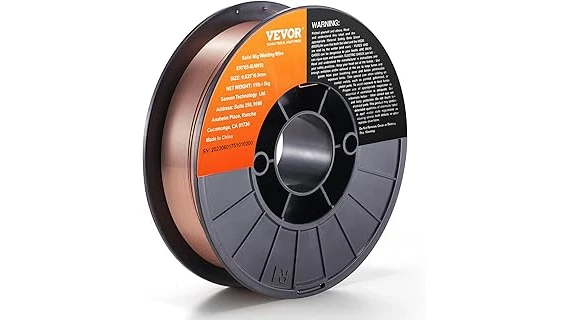
Sometimes, the problem is with the wire. Is the wire on the spool tangled? If it is, it can’t feed smoothly.
You might need to untangle it or even replace the spool if it’s too bad.
Also, check the end of the wire. Is it bent or kinked? A bent end can’t go through the liner.
Straighten it out or cut off the bent part.
The Spool of Wire
Your wire comes on a spool. Make sure the spool is mounted correctly on the welder. It should spin freely.
If the spool is loose, it can cause problems. If it’s too tight, it won’t let the wire unspool easily.
Check the tension on the spool. Some welders have a brake or clutch. This stops the spool from spinning too fast when you let go of the trigger.
If this is set wrong, it can cause wire feed issues.
Checking Your MIG Gun and Liner
Your MIG gun is where the magic happens. The wire travels through it to reach your work. If there’s a problem here, the wire will stop.
The MIG Gun Liner
Inside your MIG gun is a liner. This is like a tube that guides the wire. It’s usually made of metal.
If this liner gets bent or kinked, the wire can get stuck. Sometimes, it can get clogged with metal shavings or dirt. If it’s bent, you might need to replace it.
If it’s just dirty, you can try to clean it.
To clean the liner, you can use compressed air. Blow air through it from both ends. You can also use a special liner brush.
This is a long, flexible brush that cleans out any blockages. If the liner is damaged, it needs to be replaced.
The Contact Tip
At the very end of your MIG gun is the contact tip. This is a small metal piece that the wire passes through. It also makes electrical contact to melt the wire.
If the hole in the tip gets too big or clogged with weld spatter, the wire can get stuck.
Check the tip for any buildup of metal. If you see spatter, you can clean it out with a tip cleaner tool or a wire brush. If the hole is too worn or enlarged, you need to replace the tip.
Contact tips are usually cheap, so it’s easy to swap them out.
Make sure the contact tip is the correct size for the wire you are using. Using a tip that is too small or too large for the wire diameter will cause feeding problems.
Drive Rolls and Drive System
The drive rolls are the parts that push the wire out of the gun. They grip the wire and pull it from the spool. If these aren’t working right, the wire won’t feed.
Drive Roll Condition
Check the drive rolls for wear. They are usually made of metal or hardened plastic. They have grooves in them that match the size of your welding wire.
If the grooves are worn out or damaged, they won’t grip the wire properly. This can cause slipping, which makes it seem like the wire is stuck.
Also, check for any metal shavings or dirt on the drive rolls. Clean them off with a wire brush or compressed air.
Drive Roll Groove Size
Drive rolls often have different groove sizes on each side. You need to make sure you are using the correct groove for your wire. For example, if you are using 0.030 inch wire, you need the 0.030 inch groove to be engaged.
If you have the wrong groove engaged, the wire won’t feed well. Most drive rolls can be flipped over to use the other groove size.
Drive Roll Tension
The tension on the drive rolls is very important. If the tension is too loose, the rolls will slip on the wire and not push it forward. If the tension is too tight, it can crush the wire or make it hard for the wire to feed.
You want just enough tension to grip the wire firmly without damaging it.
You can test the tension by pulling on the wire while the gun trigger is pulled (make sure there’s no power to the gun). You should be able to pull the wire away with some effort, but it shouldn’t slip easily. Adjust the tension screw on the drive roll assembly until it feels right.
Wire Feed Speed Settings
Your welder has a wire feed speed setting. This controls how fast the wire comes out. If this is set too low, it might seem like the wire is stuck, but it’s just not moving.
If it’s set too high for the voltage, it can cause feeding issues too.
Always start with the recommended settings for your wire type and thickness. You can find these in your welder’s manual or on the wire spool packaging. Make small adjustments as needed.
Gas Issues Affecting Wire Feed
While not directly a wire feed problem, your shielding gas can indirectly cause issues. If your gas flow is too low or not flowing at all, it can cause poor weld quality. This poor weld can lead to spatter building up on the contact tip, which then restricts the wire.
Make sure your gas cylinder is not empty and that the regulator is set to the correct flow rate. A common flow rate is around 20-25 cubic feet per hour (CFH).
The Feed Roller Pressure Adjustment
This is the tension control for the drive rolls. It’s usually a knob or a screw. As mentioned before, getting this right is key.
Too loose and the wire slips. Too tight and the wire can be deformed or stop feeding altogether.
Start with a medium setting. Then, test the feed. If the wire slips, tighten it a little.
If the wire gets chewed up or hard to push, loosen it a little. It takes a bit of practice to find the sweet spot.
Troubleshooting Common Scenarios
Let’s look at a few scenarios:
- Wire feeds for a bit, then stops: This often means a small clog in the liner or tip, or a kink in the wire itself.
- Wire just won’t move at all: This points to a problem with the drive rolls (worn, wrong size, or tension too loose) or a complete blockage in the gun liner.
- Wire feeds erratically: This could be a worn drive roll, inconsistent tension, or a bent wire that’s not feeding smoothly from the spool.
- Wire gets crushed by the drive rolls: The tension on the drive rolls is too high.
Step-by-Step Troubleshooting Guide
Here’s a simple plan to fix a stuck wire feed:
- Turn off the welder. Safety first!
- Check the wire spool. Is it tangled? Is the spool secure and spinning freely?
- Inspect the wire end. Is it kinked or bent? Straighten or cut it.
- Examine the drive rolls. Are they clean? Are the grooves the right size for your wire?
- Adjust drive roll tension. Make sure it’s not too tight or too loose.
- Check the MIG gun liner. Is it bent or blocked? Try cleaning it with compressed air or a brush.
- Inspect the contact tip. Is it clean? Is the hole worn or clogged? Clean or replace it.
- Check your wire feed speed settings. Make sure they are appropriate.
- Verify gas flow. Is the shielding gas turned on and flowing correctly?
- Test the wire feed. Pull the trigger and see if the wire feeds smoothly.
Preventing Future Wire Feed Issues
The best way to deal with a stuck wire feed is to prevent it from happening in the first place. Regular maintenance is key.
Keep your welder clean. Dust and metal shavings can cause problems. Store your MIG gun properly when not in use to avoid kinking the liner.
Use the correct consumables for your wire. This includes the right size contact tip and drive rolls.
Check your wire spool before you start welding. A good quality spool of wire makes a big difference.
Frequently Asked Questions
Question: How do I know if my MIG gun liner is bad?
Answer: If you’ve tried cleaning it and checked everything else, a bent or damaged liner is likely the cause. You might also notice the wire feeding inconsistently even after adjustments.
Question: What happens if the drive roll tension is too tight?
Answer: If the tension is too tight, the drive rolls can deform the welding wire. This can cause the wire to jam or lead to inconsistent feeding. You might see the wire looking flattened or chewed up.
Question: Can using the wrong size contact tip cause wire feed problems?
Answer: Yes, definitely. If the contact tip is too small for the wire, it can get clogged easily. If it’s too large, the wire might not make good electrical contact, leading to poor welds and potential issues with spatter that affects the wire.
Question: Should I use a wire brush to clean the drive rolls?
Answer: Yes, a wire brush is a good tool to remove metal shavings and dirt from the drive rolls. Make sure the brush is clean and doesn’t leave debris behind.
Question: How often should I check my MIG welder’s wire feed system?
Answer: It’s a good idea to check it before each welding session, especially if you’ve had issues before. Regular cleaning and inspection will prevent most problems.
Final Thoughts
Most MIG welder wire feed problems are simple to fix. By checking your wire, drive rolls, and MIG gun parts, you can usually get back to welding fast. A little bit of care and knowing what to look for makes a big difference.
You’ve got the steps to solve this common issue. Keep practicing, and you’ll be a welding pro in no time.