If you’re new to stick welding, you might notice your electrode breaking. This can be frustrating! It’s a super common issue for beginners.
Don’t worry, though. We’ll break down exactly why this happens and give you simple steps to fix it. Get ready for easy solutions that will make your welding much smoother.
We’ll cover the main reasons for this problem and how to avoid it.
Key Takeaways
- Learn why your stick welder electrode might be breaking.
- Discover how to adjust your welding technique to prevent breakage.
- Understand the role of welding machine settings in electrode issues.
- Find out how to choose the right electrode for your project.
- Get practical tips for better welding results.
- Gain confidence in your stick welding skills.
Why Does My Stick Welder Electrode Keep Breaking?
Understanding the Basics
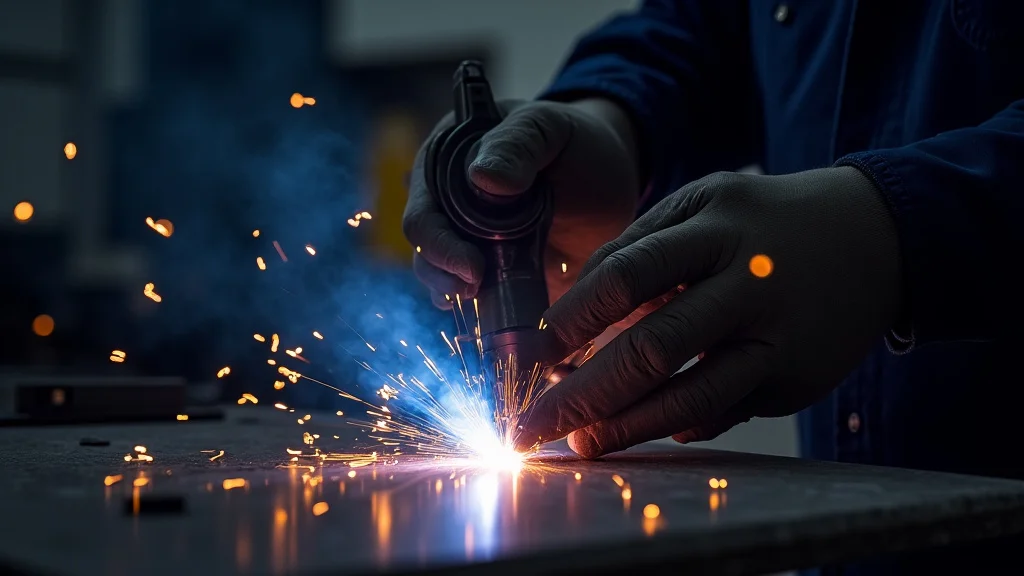
Stick welding, also called Shielded Metal Arc Welding (SMAW), is a popular way to join metal. It uses a consumable electrode coated in flux. This flux protects the weld pool from the air.
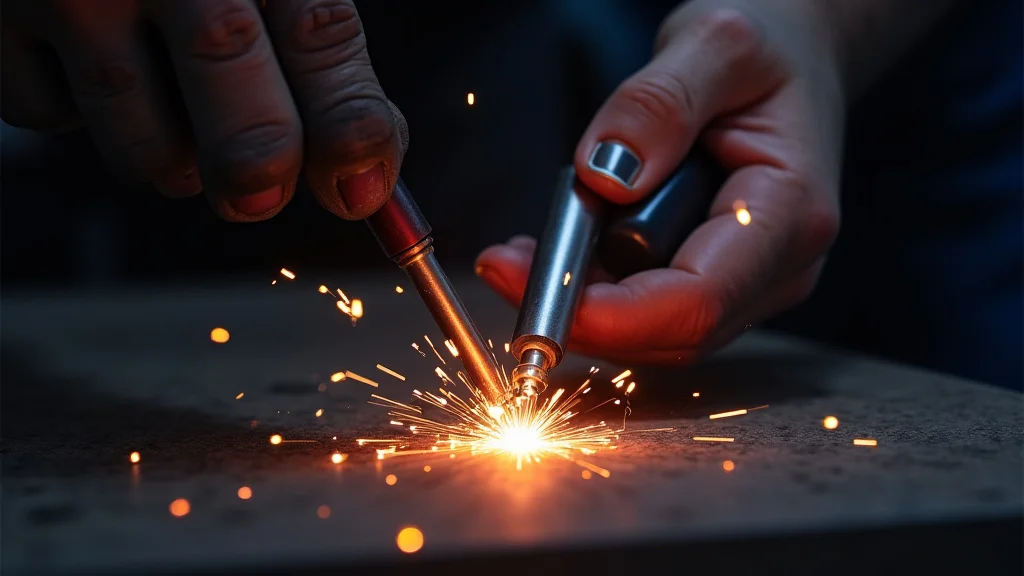
When the electrode breaks, it interrupts your work and can make for a messy weld. Let’s look at the most common reasons this happens.
Too Much Force
One of the biggest culprits is applying too much pressure. Think of it like drawing with a pencil. If you press too hard, the lead snaps.
The same applies to welding electrodes. You don’t need to force the electrode into the metal. The electric arc is doing the work of melting the metal.
Pushing down hard can actually bend the electrode, causing it to break right at the tip or even further up.
Incorrect Electrode Angle
The angle at which you hold the electrode matters a lot. If you’re too steep, you’re putting sideways stress on it. This stress can lead to snapping.
You want to hold the electrode at a slight angle, usually between 10 to 30 degrees, pointing in the direction you are welding. Imagine you are pushing a broom; you wouldn’t hold it straight up and down. A gentle push in the direction of travel is more effective and puts less strain on the electrode.
Wrong Welding Current (Amperage)
The amperage, or the amount of electrical current your machine is set to, plays a big role. If the amperage is too high for the electrode you’re using, it will overheat very quickly. This makes the metal in the electrode soft and weak, leading to breakage.
It’s like trying to cook a delicate piece of fish on a super-hot grill for too long – it falls apart. You need to match the amperage to the electrode’s size and type. Thicker electrodes generally need more amperage, but always check the electrode packaging for recommended settings.
Electrode Type and Condition
Not all electrodes are the same. They come in different sizes, compositions, and coatings. Using an electrode that’s too thin for the job or for your machine’s capabilities can cause it to break easily.
Also, if electrodes have gotten wet or are old and damaged, they might not perform as expected. Keep your electrodes stored in a dry place.
Arc Length Issues
The distance between the tip of the electrode and the metal you’re welding is called the arc length. If you hold the electrode too far away, the arc becomes unstable. This can cause spatter and make it hard to control the weld.
If you hold it too close, you can accidentally dip the electrode into the molten weld pool. This can cause the electrode to stick and break. The ideal arc length is usually about the same as the diameter of the electrode.
So, if you’re using a 1/8-inch electrode, aim for an arc length of about 1/8 inch.
Welding on the Wrong Material Thickness
Trying to weld very thin metal with an electrode that’s too large or a high amperage setting is a recipe for disaster. The heat will quickly burn through the thin material, and the force of the arc might cause the electrode to break or stick. Similarly, using a very small electrode on thick metal might not produce a strong enough weld, and you might end up using excessive force trying to get it to work.
Speed of Travel
Moving too fast or too slow can also affect how your electrode performs. If you move too quickly, you don’t give the arc enough time to melt the metal properly. This can lead to a weak weld and might make you press harder, causing the electrode to break.
If you move too slowly, you can build up too much heat. This can overheat the electrode and the base metal, leading to burn-through and electrode breakage.
Machine Settings and Power Source
The type of welding machine you use and its settings are critical. Some machines offer different welding processes or modes. For stick welding, you typically want a constant current (CC) output.
Ensure your machine is set to the correct polarity for the electrode you are using. Many electrodes work best with DC (Direct Current), but some are designed for AC (Alternating Current). Incorrect polarity can lead to arc instability and electrode issues.
Stick Welder Electrode Breaking? Solutions: Step-by-Step Fixes
1. Control Your Pressure
When you’re welding, let the arc do the work. You should be gently dragging or pushing the electrode. Don’t jam it into the metal.
If the electrode feels like it’s going to break, ease up on the pressure immediately. Think of it as guiding, not forcing.
2. Adjust Your Angle
Keep your electrode at a consistent, shallow angle. Aim for that 10-30 degree range, pointing in the direction of your weld. This prevents side stress on the electrode and helps create a cleaner bead.
3. Dial in Your Amperage
This is a big one. Always check the electrode packaging for recommended amperage ranges. If you don’t have the packaging, look up the electrode type online.
Start at the lower end of the recommended range and increase it slowly if needed. If the electrode is glowing red hot and breaking, your amperage is definitely too high.
4. Choose the Right Electrode
For general purpose welding, 6013 is a common and forgiving electrode for beginners. For thicker materials, you might need something like a 7018, but these require a bit more technique. Make sure the electrode diameter matches the thickness of the metal you’re welding.
For thin metal, use smaller electrodes (like 1/16” or 3/32”). For thicker metal, use larger ones (like 1/8” or 5/32”).
5. Maintain a Consistent Arc Length
Try to keep the distance between the electrode tip and the weld pool steady. A good rule of thumb is to keep the arc length roughly the same as the electrode’s diameter. If you’re using a 1/8” electrode, aim for a 1/8” gap.
If the arc gets too long, you’ll hear a crackling sound and see a lot of spatter. If it gets too short, you risk dipping and sticking.
6. Find Your Travel Speed
Practice moving at a steady pace. You want the electrode to melt and the flux to create a protective slag. A good travel speed will leave a consistent bead with nice ripples.
If the bead is too wide and flat, you might be moving too slow. If it’s too narrow and piled up, you might be moving too fast.
7. Check Your Machine Settings
Make sure your welding machine is set to the correct mode (usually CC) and polarity. For most general-purpose electrodes like 6013 and 7018, DC Electrode Positive (DCEP) or DC+ is often recommended. However, always verify with the electrode manufacturer’s recommendations.
If you have AC capabilities, ensure you’re not accidentally set to AC if the electrode performs better on DC.
8. Practice on Scrap Metal
Before you start on your project, grab some scrap pieces of the same type of metal. Use these to practice your technique. Adjust your amperage, try different travel speeds, and work on maintaining a consistent arc length and angle.
This is the best way to get a feel for the electrode and the welding process without risking your main project.
Common Electrode Types and When They Break
Different electrode types behave in unique ways. Understanding these differences can help you troubleshoot.
- E6013: This is a very popular choice for beginners because it’s forgiving. It runs on AC or DC and produces a stable arc. It might break if amperage is too high or if you apply too much downward force, especially on thin metal.
- E7018: This is a “low-hydrogen” electrode, great for strong welds on various metals. It generally requires DC+ and a bit more precise technique. It can break if you have too low of an amperage, causing it to stick frequently, or if you push too hard when it’s not melting properly. It’s less prone to breaking from overheating than E6013 but can be brittle if not stored properly.
- E6010/E6011: These are “deep penetrating” electrodes often used for pipe welding. They run on DC (E6010) or AC/DC (E6011). They can be prone to breaking if the amperage is too low, leading to sticking, or if the arc length is too long, causing instability and arc-off.
Frequently Asked Questions
Question: What is the most common reason for an electrode breaking?
Answer: The most common reason is applying too much downward pressure on the electrode. You should let the arc melt the metal, not force it.
Question: How does amperage affect electrode breaking?
Answer: If the amperage is too high, the electrode overheats and becomes weak, making it prone to breaking. If it’s too low, the electrode might stick, which can also cause it to break when you try to pull away.
Question: Should I push or pull a stick welding electrode?
Answer: For most stick welding, you will drag or push the electrode gently along the joint. The term “pull” might refer to pulling the electrode away if it sticks. You should maintain a consistent angle, not force the electrode.
Question: How do I know if I have the right amperage?
Answer: Check the electrode packaging for recommended amperage settings. If the electrode is glowing red and breaking, the amperage is too high. If the arc is weak and the electrode sticks a lot, it might be too low.
Question: Can electrode storage cause it to break?
Answer: Yes, if electrodes are exposed to moisture, the coating can degrade. This can lead to arc instability and a more brittle electrode that might break more easily.
Final Thoughts
Stick welder electrode breaking? Solutions are within reach. You’ve learned that too much pressure, wrong settings, and poor technique are the main culprits.
By adjusting your force, keeping the right electrode angle, and dialing in your amperage, you’ll see a huge improvement. Practice makes perfect, so use scrap metal to hone your skills. You’ve got this!