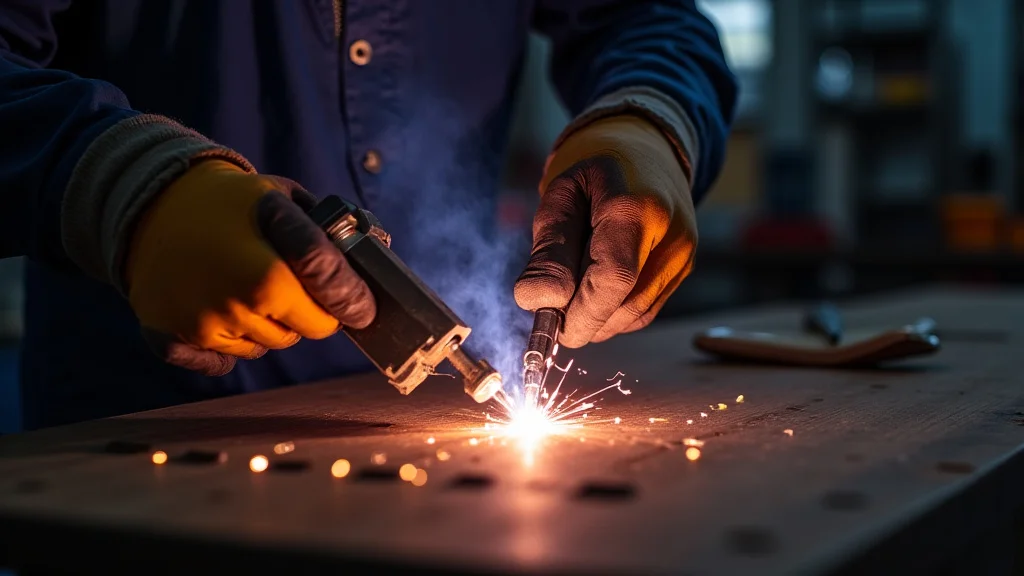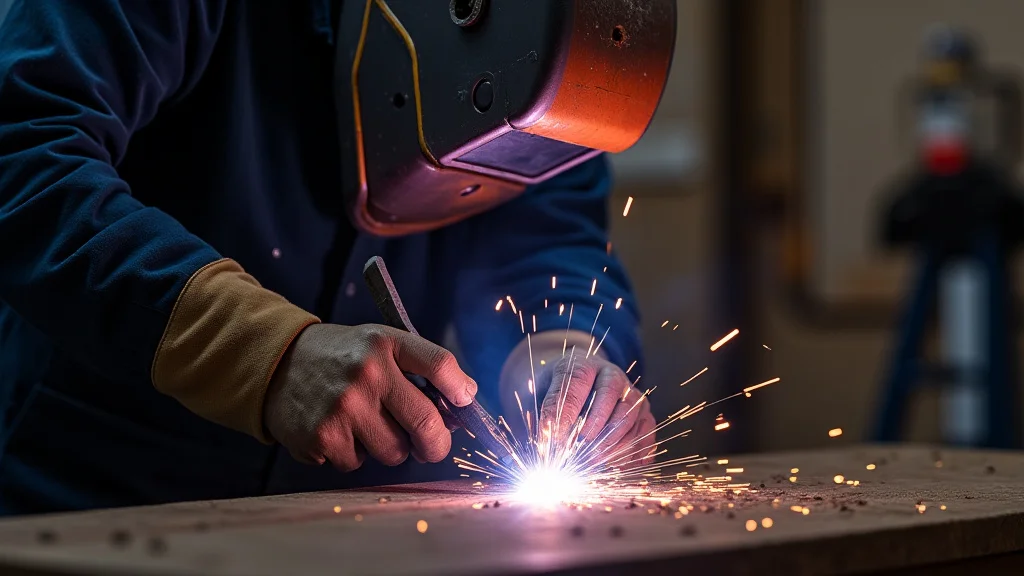
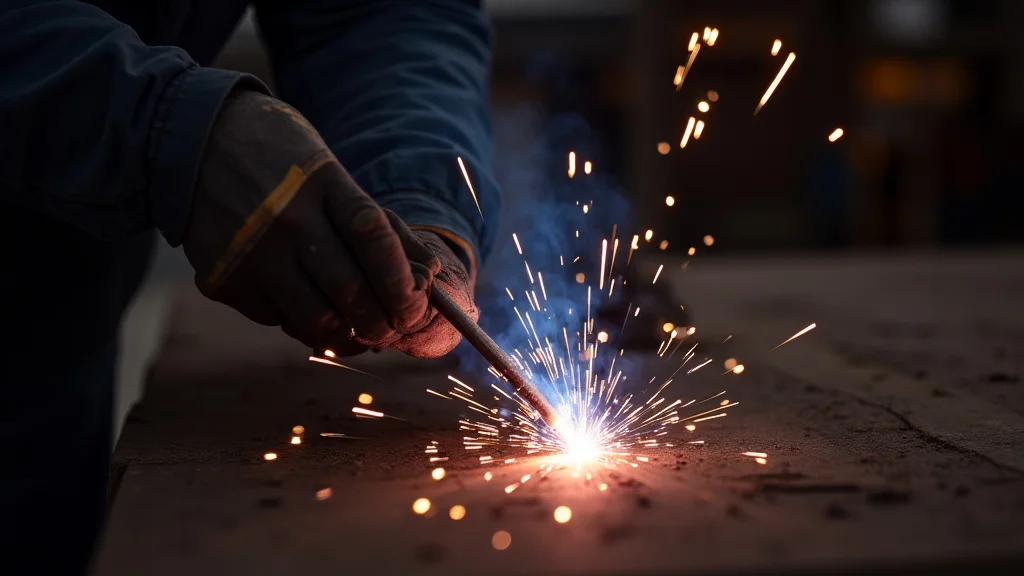
Getting started with welding can seem tricky, especially when you run into problems. If you’re new to welding, you might find yourself asking “Stick Welder Short Arc? Troubleshoot” because it’s a common issue that pops up.
It happens when the electrode touches the metal. This can be frustrating, but don’t worry! We’ll break down exactly why this happens and how to fix it, step by step.
Get ready to learn how to make your stick welding smooth and easy.
Key Takeaways
- You’ll learn what a short arc is in stick welding.
- We’ll explain the common causes of a short arc.
- You’ll discover simple ways to avoid and fix short arcs.
- We will cover the right electrode angle and distance for good welds.
- You will get tips on how to adjust your machine for better results.
- You will gain confidence in your stick welding skills.
What is a Short Arc in Stick Welding?
A short arc happens in stick welding when the tip of your welding electrode gets too close to the metal you are welding. So close, in fact, that it touches it. This is like a little kiss between the electrode and the workpiece.
When this happens, the electrical circuit can be interrupted or cause a lot of spatter. It’s not good for making a strong, clean weld.
Why Does a Short Arc Happen?
There are a few main reasons why a short arc becomes a problem for beginners. The most common one is simply holding the electrode too close to the metal. It’s like trying to paint a wall from an inch away; you won’t get good coverage.
Another reason is not moving the electrode correctly. If you stop moving for too long, it can sink into the molten metal.
Sometimes, the problem isn’t with how you’re holding it, but with the welding machine settings. If the voltage is too low or the amperage is too high, it can encourage the electrode to stick. The type of electrode you use and how you strike the arc also play a part.
It’s a combination of things that beginners need to learn to manage.
The Importance of Electrode Angle
The angle of your electrode is really important. You want to hold it at a slight drag angle. This means the electrode should be tilted a little bit in the direction you are moving.
Imagine you are pulling a sled; the rope is slightly behind the sled. This angle helps push the molten metal ahead of you, creating a nice bead. If you hold it too upright, it’s more likely to dig in and cause a short arc.
If you are pushing the electrode, or holding it straight up and down, you increase the chances of it touching the metal. A drag angle helps the electrode burn away at a steady rate. It also helps control the molten puddle.
It gives you a bit more control over the welding process, which is key for preventing those frustrating stubs.
Electrode Distance: The “Sweet Spot”
Finding the right distance between the electrode tip and the metal is like finding a “sweet spot.” Too far, and your arc will be long, unstable, and create a lot of spatter. Too close, and you get the dreaded short arc, where the electrode sticks. The ideal distance is usually about the same as the diameter of the electrode core wire.
So, if you are using a 1/8-inch electrode, you want the gap to be about 1/8 inch. This allows the arc to form nicely and melt the metal evenly. It’s a small detail, but it makes a huge difference in weld quality.
Practicing this distance is one of the best ways to improve your stick welding.
Striking the Arc
How you start the weld, or “strike the arc,” also matters. There are two main ways: scratching and tapping. The scratching method is like striking a match.
You lightly drag the electrode tip across the metal until the arc starts. The tapping method is like tapping a hammer; you gently tap the electrode onto the metal and then lift it to the correct arc length.
Beginners often tap too hard or scratch too aggressively. This can cause the electrode to stick immediately. A light touch is best.
Once the arc is struck, you need to immediately move to the correct arc length. If you hesitate, the electrode might start to melt and fuse to the metal. Consistent arc striking is a skill that comes with practice.
Troubleshooting Common Short Arc Issues
Let’s talk about what to do when you notice your electrode is sticking. The first thing to check is your electrode angle. Are you dragging it slightly?
If not, adjust your grip and try again. Make sure you are not pushing the electrode into the puddle.
Next, focus on your electrode distance. Try to maintain that “sweet spot” we talked about. If you are consistently too close, consciously try to hold it a tiny bit further away.
Don’t go too far, though, or the arc will become unstable. It’s a balance, and practice will help you find it.
If the electrode still sticks, look at your travel speed. If you are moving too slowly, the electrode has more time to melt and can sink into the puddle. Try increasing your speed slightly.
You want a steady movement that keeps the electrode from dwelling too long in one spot.
Adjusting Machine Settings
Sometimes, the issue isn’t just technique; it’s your machine settings. For stick welding, you typically use Direct Current Electrode Positive (DCEP) or Direct Current Electrode Negative (DCEN). The type of electrode you use will tell you which one is best.
For most common stick electrodes like 6010 or 6011, you use DCEP. For others, like 7018, you might use DCEN or DCEP depending on the manufacturer’s recommendation.
The amperage setting is crucial. Too low an amperage, and the arc may not be hot enough to melt the metal properly, leading to a weak weld and potential sticking. Too high an amperage, and the electrode melts too fast, increasing the risk of sticking and excessive spatter.
It’s important to consult your electrode packaging for the recommended amperage range.
Voltage also plays a role. A lower voltage generally creates a shorter, more focused arc, which can increase the risk of sticking. A higher voltage results in a longer, more unstable arc.
Finding the right balance of amperage and voltage for your specific electrode and material is key.
Electrode Type and Condition
Not all stick electrodes are the same. Different types are designed for different jobs and materials. For beginners, electrodes like 6013 or 7018 are often recommended because they are more forgiving.
They tend to produce a more stable arc and less spatter than some other types.
The condition of your electrodes is also important. If your electrodes have been stored in a damp environment, they can absorb moisture. This can cause the arc to be unstable, lead to excessive spatter, and make it harder to control the weld puddle.
For moisture-sensitive electrodes like 7018, it’s important to keep them dry in a special oven or a sealed container.
Common Scenarios and Solutions
Let’s look at some typical problems and how to fix them. If you notice a lot of popping and sputtering, but the electrode isn’t sticking, your arc might be too long. Try shortening the arc by moving the electrode closer to the metal.
Make sure you’re still maintaining that ideal distance.
If the electrode sticks immediately after striking, you might be tapping too hard or not lifting it quickly enough. Practice a gentle scratch or tap and a swift lift to the correct arc length. Also, check if your amperage is too low.
You might need to turn it up slightly.
If you’re getting a “wormy” looking bead with lots of ripples and inconsistency, it could be a combination of factors. Your travel speed might be too fast or too slow. Your electrode angle might be off, or your arc length could be inconsistent.
Try to focus on one variable at a time, like maintaining a steady speed and consistent arc length.
Frequently Asked Questions
Question: What is the best way to strike an arc with a stick welder?
Answer: The two main methods are scratching, like striking a match, or tapping, like gently tapping a hammer. Both require a light touch. After striking, immediately move to the correct arc length, which is usually about the diameter of the electrode.
Question: How can I tell if my amperage is too high or too low?
Answer: If your amperage is too high, you’ll see excessive spatter, the electrode melts very fast, and the weld puddle might be too large and hard to control. If it’s too low, the arc will be weak, the electrode might stick easily, and the weld won’t penetrate well.
Question: Should I push or pull the electrode?
Answer: For most stick welding, you should drag or pull the electrode. This means tilting it slightly in the direction you are moving. This helps control the molten puddle and prevents the electrode from digging in too much.
Question: What is a “stub”?
Answer: A “stub” is what’s left of the electrode when it gets too short to weld with and is often stuck to the workpiece because it was held too close or for too long.
Question: How does the type of metal affect short arcing?
Answer: Thinner metals heat up faster and can lead to sticking more easily if your settings or technique are not precise. Thicker metals are more forgiving but still require proper technique to avoid sticking and ensure good penetration.
Final Thoughts
Learning to avoid sticking your electrode is a key step in becoming a good stick welder. It comes down to a few simple things: keep the right distance, use a slight drag angle, and move at a steady speed. Don’t get discouraged; every welder had to learn this.
Keep practicing these techniques, and you’ll find your welds become smoother and stronger. You’ve got this!