Does your welding machine send out way too many sparks? If you’re new to welding, this can be a little confusing. It’s a common thing that happens.
But don’t worry! We’ll walk through how to fix it step-by-step. Soon, you’ll be welding with fewer sparks and better results.
Let’s get started and see what’s causing all those extra sparks and how to stop them.
Key Takeaways
- You’ll learn why welding machines might spark too much.
- We’ll show you easy ways to check your welder’s settings.
- You’ll find out how different welding parts can cause extra sparks.
- We’ll explain how to fix common sparking issues.
- You’ll get tips to keep your welder working right and sparking less.
Understanding Excessive Welding Sparks
When you weld, a little bit of spark is normal. It’s like a visual cue that the metal is melting and joining together. But when sparks fly everywhere, it’s a sign that something isn’t quite right.
This is why people often search for “Welding Machine Sparks Excessively? Troubleshoot.” Too many sparks aren’t just messy; they can mean your weld isn’t as strong as it should be. They can also be a safety issue, sending hot metal flying further than you want.
For beginners, figuring out why this happens can be tricky. It’s like trying to learn a new language; sometimes the words just don’t make sense at first. But with a little guidance, you can quickly learn to spot the problems and fix them.
Excessive sparks can come from a few different places. It could be how you’re holding the welding gun, the settings on your machine, or even the metal you’re working with. We’re going to look at each of these things so you can figure out what’s going on with your welder.
Common Causes of Too Many Sparks
Let’s break down the most frequent reasons your welding machine might be throwing a ton of sparks. Knowing these will help you pinpoint the problem faster.
1. Incorrect Machine Settings
Your welding machine has dials and buttons for a reason. The right settings are super important for a clean weld. If they’re off, you’ll see more sparks.
Amperage
Amperage is like the “push” of electricity. If it’s too high for the metal you’re welding, it melts too fast and too much, causing splattering and excess sparks. Think of it like trying to melt butter with a blowtorch – it gets messy really quick.
You need just enough heat to melt it smoothly.
Voltage
Voltage works with amperage. It helps control the arc length. If the voltage is too low, you might get an unstable arc and more sparks.
If it’s too high, you can also get issues. Finding the sweet spot is key. Most modern welders have auto-set features, but sometimes you need to fine-tune it yourself.
Wire Speed (for MIG welding)
If you’re using a MIG welder, the speed of the wire is critical. Too fast a wire speed means more metal is being pushed into the weld pool, which can cause spatter. Too slow can lead to an inconsistent arc.
It needs to feed smoothly.
2. Improper Stick-Out or Travel Speed
How you move and how much of the welding wire or electrode sticks out makes a big difference.
Stick-Out Distance
This is how far the welding wire or electrode sticks out from the tip of the welding gun or holder. If the stick-out is too long, the wire heats up too much before it even reaches the weld. This causes more melting and spatter.
It’s like having a really long match – the end gets burnt up before you can light the candle.
Travel Speed
This is how fast you move your welding gun or electrode along the metal. If you move too slowly, you’re adding too much heat to one spot. This makes the metal pool up and can cause it to splash out as sparks.
If you move too fast, you won’t get enough penetration, and the weld might look weak, but you can also get a sputtering arc with more sparks.
3. Wrong Gas Flow Rate (for MIG and TIG welding)
Shielding gas is like a protective blanket for your weld. It stops air from getting in and ruining the weld. If the gas isn’t flowing right, you’ll have problems.
Too Little Gas
If you don’t have enough shielding gas, the air will get to the molten metal. This causes a weak weld and a lot of spatter. The arc becomes unstable, and sparks fly.
Imagine trying to paint in a strong wind; the paint goes everywhere.
Too Much Gas
While less common for causing sparks, too much gas can sometimes create turbulence around the arc. This can pull in air and cause similar issues to not enough gas, or it can just make the arc unstable. It’s about finding the right balance.
4. Contaminated Metal or Filler Material
The surfaces you’re welding and the filler material (like welding wire or rods) need to be clean.
Dirty Base Metal
If the metal you’re welding has rust, paint, oil, or dirt on it, it will cause problems. When the welding arc hits these contaminants, they burn up. This can create a lot of smoke and spatter.
It’s like trying to cook food with dirt on it – it doesn’t turn out well.
Dirty Filler Material
The same applies to your welding wire or rods. If they’re dirty or oily, they’ll introduce contaminants into the weld pool, leading to excess sparks and a poor weld.
5. Incorrect Electrode Angle
The angle at which you hold your welding electrode or gun affects how the metal melts and flows.
Push vs. Pull
For MIG welding, pushing the gun can sometimes lead to more spatter. Pulling the gun (dragging) is often recommended for a cleaner weld and fewer sparks. For stick welding, the angle matters for electrode control and penetration.
Off-Angle
Holding the electrode or gun too far to the side, rather than pointing it somewhat in the direction of travel, can create an unstable arc and increase spatter.
6. Welding Machine Issues
Sometimes, the problem isn’t you; it’s the welder itself.
Worn Contact Tips (MIG)
The contact tip is where the welding wire passes through. If it’s worn out, dirty, or the wrong size for your wire, it can cause poor electrical contact. This leads to an unstable arc and a lot of spatter.
It’s like a frayed electrical cord – it doesn’t work well.
Dirty Ground Clamp
A good electrical connection is vital. If your ground clamp isn’t making good contact with the metal, the circuit isn’t complete. This can cause arc instability and spatter.
Make sure the clamp is on clean metal and clamped down tight.
Internal Machine Problems
Less commonly, there could be an internal issue with the welding machine itself, like a faulty circuit board or power supply problem. If you’ve checked everything else, this might be something to have a professional look at.
Troubleshooting Steps: What to Do
Now that you know what might be causing the sparks, let’s go through how to fix them. Follow these steps to get your welder back on track.
Step 1: Check Your Machine Settings
This is the first and easiest thing to check.
- Amperage/Voltage: Look up the recommended settings for the thickness and type of metal you are welding. Most welding machines have charts or diagrams inside the machine’s cover or in the manual.
- Wire Speed (MIG): Adjust the wire speed until the arc sounds smooth and consistent, like bacon frying. Avoid a fast, “sizzling” sound or a slow, “plunking” sound.
Step 2: Inspect Your Consumables
Consumables are the parts that get used up during welding.
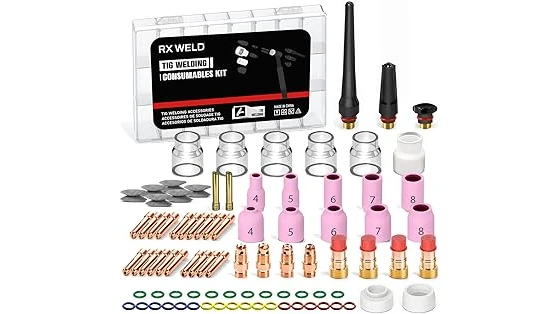
- Contact Tip (MIG): Check the contact tip for wear or buildup of metal. If it looks dirty or damaged, clean it with a wire brush or replace it. Make sure the new tip is the correct size for your welding wire.
- Electrode (Stick/TIG): For stick welding, ensure your electrodes are dry and not damaged. For TIG, make sure your tungsten electrode is properly ground and the correct type for your application.
Step 3: Clean Your Workpiece and Filler Material
Cleanliness is next to godliness, especially in welding.
- Base Metal: Use a wire brush and degreaser to remove any rust, paint, oil, or dirt from the metal you’re about to weld.
- Filler Material: Wipe down your welding wire (MIG) or ensure your rods (stick) are clean and dry.
Step 4: Evaluate Your Welding Technique
How you weld matters a lot.
- Stick-Out: For MIG welding, try reducing the stick-out to about 1/2 inch (12-13 mm). For stick welding, aim for a consistent electrode angle.
- Travel Speed: Move your welding gun or electrode at a steady pace. Listen to the sound of the arc. A consistent, moderate sound usually means a good travel speed.
- Angle: For MIG, try a slight drag angle (pulling the gun). For TIG, maintain a consistent angle to the tungsten.
Step 5: Check Your Shielding Gas (MIG & TIG)
Make sure your gas is flowing correctly.
- Flow Rate: Use a flow meter or bubble tester to set the gas flow to the recommended rate (usually 15-25 CFH – cubic feet per hour). Perform a “gas test” by briefly pulling the trigger without welding to ensure gas is coming out of the nozzle.
- Gas Leaks: Check all connections for leaks. A loose connection can let gas escape.
Step 6: Inspect the Ground Connection
A solid ground is crucial for a stable arc.
- Clean Metal: Ensure the ground clamp is attached to clean, bare metal.
- Tight Clamp: Make sure the clamp is firmly attached and making good contact.
Step 7: Consult Your Manual
Your welding machine’s manual is full of helpful information. It often has a troubleshooting section that can guide you through specific problems.
When to Seek Professional Help
If you’ve gone through all these steps and your welding machine is still sparking excessively, it might be time to call a professional. There could be an internal issue with the machine that requires expert diagnosis and repair. Don’t try to open up the machine yourself unless you know exactly what you’re doing, as welding equipment can have high voltage components.
Frequently Asked Questions
Question: Why are sparks flying from my MIG welder even when I’m not welding?
Answer: This usually happens if the wire is feeding too fast or if there’s a short circuit. Make sure the contact tip isn’t touching the workpiece when you’re not welding and that the wire feed speed is set correctly. Also, check that the contact tip is clean and not damaged.
Question: Can using the wrong welding wire cause too many sparks?
Answer: Yes, absolutely. Using a wire that’s the wrong diameter for your contact tip can cause feeding problems and arc instability, leading to more sparks. Also, if the wire is contaminated with oil or rust, it will cause spatter.
Question: My stick welder is spitting a lot. What am I doing wrong?
Answer: Spitting from a stick welder often means your amperage is too high, or your electrode angle is off. Try reducing the amperage or adjusting your electrode angle. Make sure your electrode is dry and the correct type for the metal you are welding.
Question: How do I know if my shielding gas is flowing correctly?
Answer: You can check the flow rate with a flow meter on your gas regulator. When you briefly pull the trigger on your MIG or TIG welder, you should be able to feel and hear the gas coming out. A simple test is to hold a lighter near the nozzle when the gas is on; the flame should be pushed away slightly, and if you can, listen for a steady hiss.
Question: Is a little bit of spatter normal when welding?
Answer: A very small amount of spatter can be normal with some welding processes, especially MIG welding when not set perfectly. However, excessive spatter that coats the workpiece and the welding gun is not normal and indicates an issue that needs troubleshooting.
Final Thoughts
Dealing with too many sparks from your welding machine is a common problem, but it’s usually fixable. By checking your machine settings, cleaning your equipment, and adjusting your technique, you can greatly reduce the sparks. Remember to keep your welding area clean and your machine in good shape.
A little care goes a long way in making your welds strong and neat.