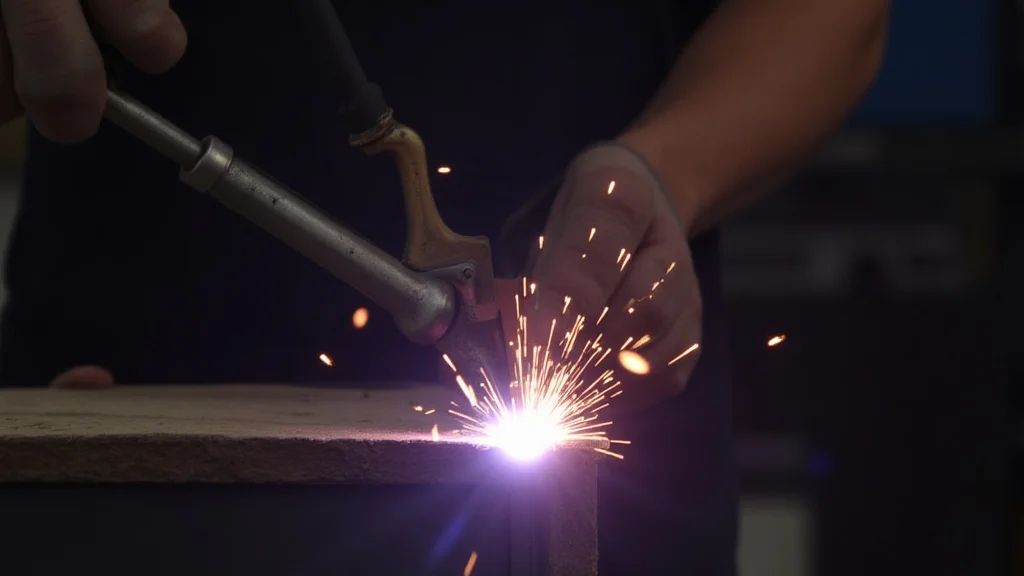
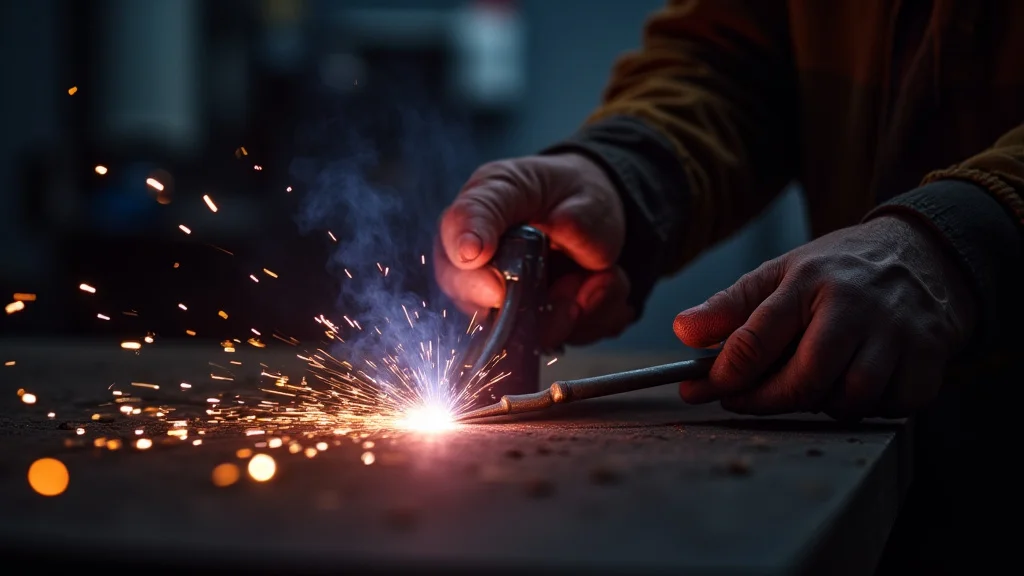
Starting out with a MIG welder can sometimes feel a bit tricky, especially when you see that arc jumping around. A MIG Welder Erratic Arc? Troubleshooting Guide is common because a sputtering or inconsistent arc is one of the first big hurdles beginners face.
It can make your welds look messy and feel frustrating. Don’t worry, though! We’ll break down exactly why this happens and how to fix it, step-by-step.
Let’s get your welds smooth and steady.
Key Takeaways
- You’ll learn common causes for an erratic MIG arc.
- Discover simple fixes for wire feed issues.
- Understand how shielding gas affects your weld.
- Find out how to check and adjust your voltage and amperage.
- Learn about wire extension and its impact.
- We’ll cover cleaning and maintenance for a stable arc.
What Causes a MIG Welder’s Arc to Be Erratic?
An erratic MIG arc means your weld isn’t smooth. It sputters and pops instead of giving you a nice, consistent bead. This can happen for many reasons.
It’s like trying to draw with a wobbly pen; the line just won’t come out right. For new welders, spotting the exact problem can be tough. There are a few main areas to look at, and once you know them, fixing it becomes much easier.
We’ll go through them one by one.
Common Causes of an Erratic MIG Arc
When your MIG arc starts acting up, it’s usually not one single thing. It’s often a combination of small issues adding up. Think of it like a recipe where one wrong ingredient can throw off the whole dish.
The good news is that most of these problems are pretty straightforward to fix. You just need to know where to look.
Wire Feed Problems
The wire that feeds out of your MIG gun is super important. If it’s not feeding smoothly, your arc will be jumpy. This is one of the most common reasons for a bad arc.
Wire Speed Issues
The speed at which the wire feeds out is called wire speed. If it’s set too low, you won’t get enough metal to make a good weld, and the arc can be weak and inconsistent. If it’s too high, the wire might push into the weld pool too hard, causing spatter and an unstable arc.
Dirty or Damaged Wire
Wire can get dirty from handling or rust. Dirt or rust on the wire makes it hard for it to slide through the liner and contact tip. This causes it to stick, skip, and create a rough arc.
Damaged wire, like kinks or bends, will also cause feeding problems.
Improper Drive Roll Tension
The drive rolls grip the wire and push it forward. If the tension on these rolls is too loose, they can slip, and the wire won’t feed evenly. If the tension is too tight, it can crush or deform the wire, also causing feeding issues and potentially making it harder for the wire to go through the liner.
Kinked or Worn Liner
The liner is a flexible tube inside the welding gun that the wire travels through. If the liner is kinked or worn out, it creates friction. This friction makes it difficult for the wire to move freely, leading to inconsistent feeding and a choppy arc.
Sometimes the liner can get clogged with debris, which also causes problems.
Wrong Size Drive Rolls
MIG welders use different size drive rolls for different wire diameters. If you have the wrong size rolls installed, they won’t grip the wire properly. This can lead to slipping and an erratic wire feed, directly impacting your arc stability.
Shielding Gas Issues
Shielding gas protects your molten weld pool from the air. If the gas isn’t flowing right, your weld will be weak and the arc will be unstable. This is a critical part of MIG welding.
Insufficient Gas Flow
If you don’t have enough shielding gas, the air will get into your weld. This causes porosity (small holes) and weak welds. It also makes the arc unstable and “poppy.” You need enough gas to cover your weld pool.
Too Much Gas Flow
While you need gas, too much can also be a problem. Excessive gas flow can create turbulence. This turbulence can actually blow the shielding gas away from the weld pool, allowing air to get in.
It can also cause the arc to flicker and be unstable.
Leaky Connections
Any leaks in your gas hose, regulator, or connections can mean that gas isn’t reaching the gun properly. Even a small leak can reduce the amount of gas you’re getting, leading to poor shielding and arc instability.
Wrong Type of Gas
Different welding jobs require different types of shielding gas. Using the wrong gas can affect how the arc behaves. For example, some gases are better for certain metals or thinner materials.
Always check what gas is recommended for your project.
Blocked Gas Nozzle or Orifice
The gas nozzle on your MIG gun can get clogged with spatter or debris. The gas orifice inside the nozzle is where the gas comes out. If this gets blocked, the gas flow will be restricted, and the arc will suffer.
Electrical Connection Problems
A good electrical connection is vital for a stable arc. Any issues here can cause your arc to cut out or be inconsistent.
Poor Ground Clamp Connection
The ground clamp connects your welder to the piece you are welding. If the clamp isn’t making good contact with the metal, the electrical circuit is weak. This can lead to an erratic arc, poor penetration, and lots of spatter.
Make sure the surface where the clamp attaches is clean and free of paint or rust.
Dirty or Worn Contact Tip
The contact tip is the part of the gun that the welding wire passes through. It also carries the electrical current. If the tip is dirty, corroded, or worn out, it can cause poor electrical contact with the wire.
This leads to an inconsistent arc and feeding problems. It’s a small part, but very important.
Loose Cable Connections
Check all the cable connections on your welder. Loose connections can cause resistance, which can lead to overheating and an unstable power supply to the arc. Make sure all cables are securely attached.
Voltage and Amperage Settings
Getting the voltage and amperage just right for your material thickness and wire size is key. Incorrect settings are a very common cause of erratic arcs for beginners.
Incorrect Voltage
Voltage controls the arc length. If the voltage is too low, you’ll get a short, “boggy” arc that splatters a lot. If the voltage is too high, the arc will be long and “whippy,” and you might have less control.
Finding the sweet spot for your material is important.
Incorrect Amperage (Wire Speed)
Amperage is related to wire speed. It determines how much heat you’re putting into the weld. If the wire speed (and thus amperage) is too low for the material, you won’t get good penetration, and the arc might be weak.
If it’s too high, you can burn through thin material or create excessive spatter.
Wire Extension (Stick-Out)
The amount of wire that sticks out past the end of the contact tip is called wire extension or stick-out. This has a bigger effect on your arc than many beginners realize.
Too Much Stick-Out
If you have too much wire sticking out, it heats up before it reaches the weld pool. This can lead to a less focused arc, more spatter, and reduced penetration. It also makes it harder to control the weld puddle.
Too Little Stick-Out
Having the contact tip too close to the workpiece can cause the tip to get too hot. It can also lead to the wire “whipping” and the arc being unstable. It’s important to maintain a consistent stick-out for a stable arc.
Environment and Technique
Sometimes, the problem isn’t with the machine itself, but with how and where you’re welding.
Drafty Conditions
Welding in a windy area can blow away your shielding gas. This is a major cause of porosity and an erratic arc. Always try to weld in a draft-free area or use a windbreak if necessary.
Dirty Metal
If the metal you’re welding on is dirty, rusty, or covered in paint or oil, it will cause problems. Contaminants burn up in the arc and get trapped in the weld, leading to porosity and a sputtering arc. Always clean your metal before welding.
Incorrect Gun Angle
The angle of your MIG gun matters. If you push or pull the gun at the wrong angle, it can affect gas coverage and how the molten metal flows. A slight push angle is generally recommended for MIG welding on steel.
Troubleshooting Steps for an Erratic MIG Arc
When you encounter an erratic arc, don’t panic. Follow these steps systematically, and you’ll likely find the cause and fix it.
- Check Your Ground Connection: Make sure the ground clamp is tight and making good contact with clean metal.
- Inspect the Contact Tip: Look for any build-up of spatter or wear. Clean or replace it if needed.
- Examine the Wire: Ensure the wire is not kinked or damaged. Check for dirt or rust.
- Verify Drive Roll Tension: Adjust the tension on the drive rolls. It should be firm enough to grip but not so tight it crushes the wire.
- Check the Liner: Make sure there are no kinks or obstructions in the gun liner.
- Confirm Shielding Gas Flow: Ensure your gas cylinder has gas and that the regulator is set to the correct flow rate.
- Check for Gas Leaks: Listen for hissing sounds and ensure all connections are tight.
- Adjust Wire Speed and Voltage: Consult your welder’s manual or chart for recommended settings for your material and wire size. Make small adjustments.
- Set Correct Wire Extension: Aim for a consistent stick-out, usually around 1/4 to 1/2 inch, depending on the process.
- Clean Your Workpiece: Ensure the metal is free of rust, paint, oil, and dirt.
- Weld in a Draft-Free Area: Protect your weld from wind.
Maintenance for a Stable Arc
Keeping your MIG welding equipment in good shape is the best way to prevent arc issues. Regular maintenance makes a big difference.
Regularly Clean the Contact Tip
Spatter can build up on the contact tip, restricting wire feed and electrical contact. Clean it daily with a wire brush or tip cleaner. Replace the tip when it becomes worn or pitted.
Check and Clean the Drive Rolls
Dirt and metal shavings can collect on the drive rolls. Clean them with a wire brush. Ensure they are the correct size for your wire and are installed correctly.
Inspect and Replace the Liner
A worn or kinked liner causes friction. Visually inspect the liner for damage. If you suspect it’s causing issues, it’s often best to replace it.
This is a part that can wear out over time.
Keep the Gas Nozzle Clean
Spatter can also build up inside and around the gas nozzle. Use a spatter removal spray or tool to keep it clean. This ensures proper gas flow.
Secure All Connections
Periodically check all electrical and gas connections. Make sure they are tight and free from corrosion. A loose connection is a common source of problems.
Store Wire Properly
Keep your welding wire in a dry place. If it gets rusty or dirty, it will cause feeding problems and arc instability. Use a wire brush to clean off light rust if necessary.
Comparing Common Issues
It can be helpful to see how some common problems present themselves and what the quick fix is.
| Problem | Symptom | Quick Fix |
|---|---|---|
| Dirty Contact Tip | Sputtering arc, inconsistent wire feed. | Clean or replace tip. |
| Low Gas Flow | Poppy arc, weak weld, porosity. | Increase gas flow, check cylinder pressure. |
| Loose Ground Clamp | Arc won’t start or is very weak. | Tighten clamp, clean contact area. |
| Incorrect Wire Speed | Too fast: spatter. Too slow: weak arc. | Adjust wire speed to match material. |
| Too Much Stick-Out | Wide, flat bead, excessive spatter. | Shorten wire extension to 1/4-1/2 inch. |
Frequently Asked Questions
Question: Why does my MIG arc sound like bacon frying?
Answer: A “bacon frying” sound usually means your arc is too short. This is often caused by too much amperage (wire speed) or not enough voltage. Try increasing the voltage slightly or decreasing the wire speed.
Question: Will a new contact tip fix an erratic arc?
Answer: A dirty or worn contact tip is a very common cause of erratic arcs. Cleaning or replacing it is a simple and effective first step in troubleshooting.
Question: How much shielding gas should I use?
Answer: The correct gas flow rate depends on your specific setup and conditions. A good starting point for many applications is 15-25 cubic feet per hour (CFH), but always check your welder’s manual or material recommendations.
Question: Can a bent liner cause my arc to be bad?
Answer: Yes, absolutely. A bent or kinked liner creates friction, making it hard for the wire to feed smoothly. This inconsistency directly leads to an erratic arc and poor weld quality.
Question: What is “wire feed speed” and how does it affect the arc?
Answer: Wire feed speed, often just called wire speed, controls how fast the welding wire comes out of the gun. It’s directly related to the amperage (heat). If it’s too high, you get too much heat and spatter; if it’s too low, you don’t get enough heat and the arc is weak.
Final Thoughts
That erratic MIG arc feeling is totally normal when you’re learning. Now you know the common culprits, from wire feed hiccups and gas issues to simple electrical connections and settings. By systematically checking your equipment and making small adjustments, you can get that smooth, steady weld you’re after.
Keep practicing, stay patient, and your welds will get better and better. You’ve got this!