Many new welders wonder, “How Do You Adjust Stick Welder Arc Length?” It can seem tricky at first because a short arc makes one kind of weld, and a long arc makes another. Getting it just right is key to good welds. Don’t worry, it’s not as hard as it looks!
We’ll break it down step-by-step. First, let’s look at the main points you need to remember.
Key Takeaways
- Arc length is the distance between the electrode tip and the metal you’re welding.
- A short arc often means a hotter, flatter bead with good penetration.
- A long arc can lead to a wider, flatter bead with less penetration and more spatter.
- Controlling arc length helps manage heat, bead shape, and weld quality.
- Practice is essential for developing a feel for the correct arc length.
- Your welding position can influence the ideal arc length.
Understanding Stick Welder Arc Length
What is Arc Length?
Arc length is a simple idea. It’s just the space between the very tip of your welding electrode and the surface of the metal you are joining. Think of it like the gap you leave when you’re trying to connect two things.
This small gap is super important in stick welding.
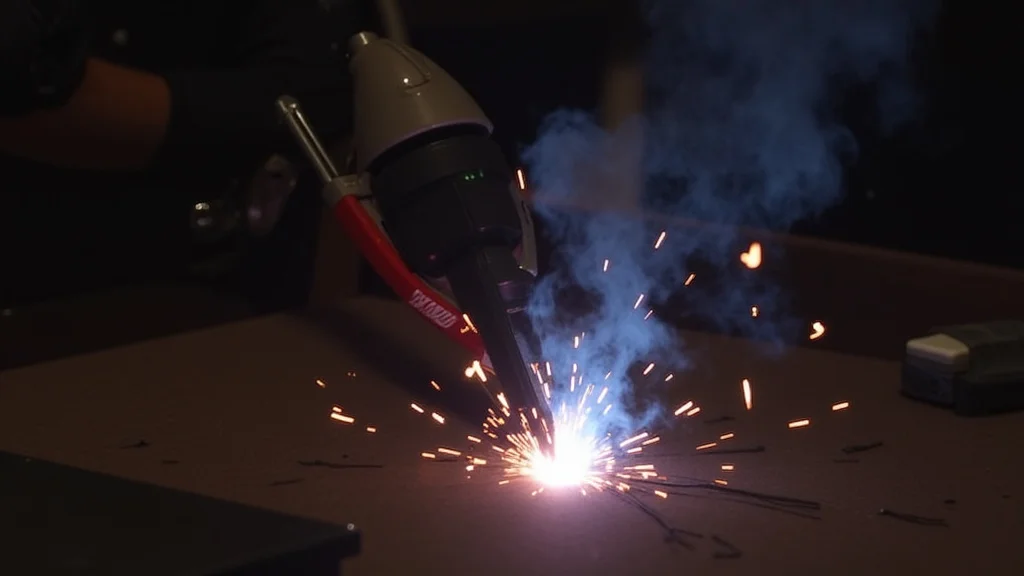
When you strike an arc, electricity jumps across this gap. This jump creates intense heat. The heat melts both the electrode and the metal you are welding.
This molten metal then cools and hardens, forming your weld. The size of this gap directly affects how much heat is produced and how it behaves.
Why Does Arc Length Matter?
The size of the arc length has a big impact on your weld. If the arc is too short, it can cause problems. The electrode might stick to the metal, which is called “sticking.” It can also make it hard to move your electrode smoothly.
You might also get a weld bead that is too tall and narrow.
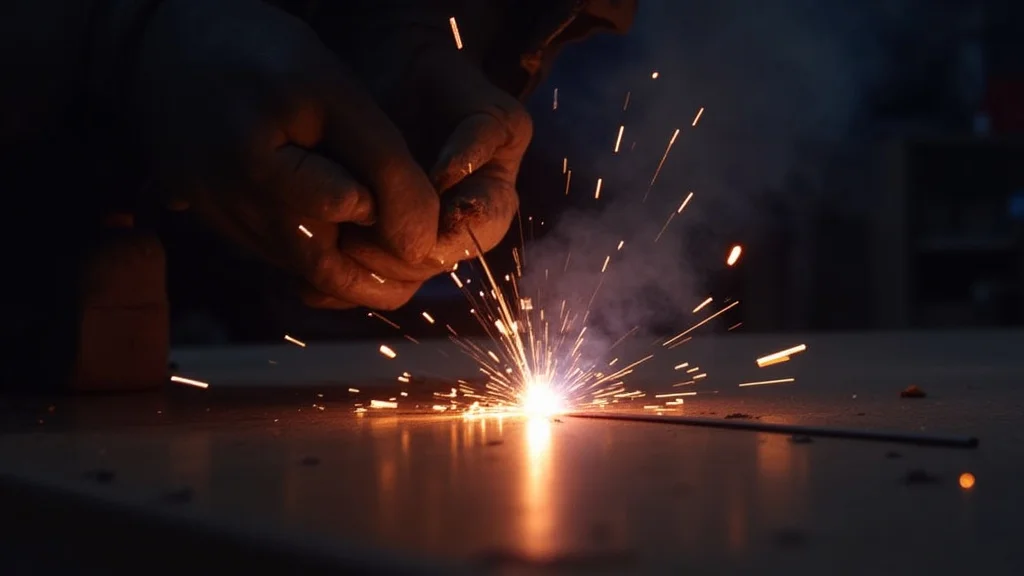
On the other hand, if the arc is too long, other issues can arise. You’ll likely see a lot more sparks and splatter. This means you’re wasting filler metal and making a mess.
A long arc also means less heat is focused on the metal. This can result in a weld that doesn’t penetrate deep enough. The weld might look wide and flat, but it won’t be strong.
How to Control Arc Length
The Basics of Electrode Movement
Controlling your arc length is all about how you move your hand and electrode. When you hold the electrode close to the metal, you have a short arc. When you pull it away slightly, you create a longer arc.
It’s a delicate balance. You need to keep the electrode at a consistent distance. This consistent distance helps maintain a stable arc.
A stable arc means a consistent amount of heat. This leads to a more uniform and strong weld bead.
Listening to the Arc
Experienced welders often talk about “listening” to the arc. This means paying attention to the sound it makes. A good, stable arc has a consistent buzzing or crackling sound.
It sounds like bacon frying, steady and even.
If the arc sound changes, it’s a signal. A higher-pitched, sharp crackling sound often means the arc is too long. You might also hear pops and splatters.
A sputtering, irregular sound, or a dull thud, could mean the arc is too short. It might be about to stick.
Visual Cues for Arc Length
Beyond sound, you can also use your eyes. Look at the molten puddle. When the arc length is just right, the puddle will be a good size.
It will move smoothly ahead of your electrode. The edges of the puddle should blend well with the base metal.
With a short arc, the puddle might seem smaller and more constricted. It can be harder to control. With a long arc, the puddle might be too wide and flat.
It might not seem to flow very well. You’ll also see more sparks flying out from the sides.
Factors Affecting Ideal Arc Length
Electrode Type and Diameter
Different types of electrodes are designed for different jobs. Some electrodes need a shorter arc than others. For example, cellulose-covered electrodes like 6010 often require a shorter arc to burn properly.
They are designed for deep penetration.
The diameter of the electrode also plays a role. Thicker electrodes (like 1/8 inch or larger) generally need a slightly longer arc than thinner ones (like 3/32 inch). This is because they deposit more metal and require more heat to melt completely.
Amperage Settings
The amperage setting on your welder is crucial. It controls the amount of electrical current flowing. If your amperage is too low for the electrode you’re using, you’ll likely need a longer arc to get enough heat.
However, this can lead to spatter. If the amperage is too high, the electrode will melt very quickly.
Generally, you want to set your amperage according to the electrode manufacturer’s recommendations. These charts are usually printed on the electrode packaging. Once your amperage is set correctly, you can fine-tune your arc length.
Welding Position
The position you are welding in also affects the ideal arc length. Gravity plays a big part here.
- Flat Position: This is the easiest position. Gravity helps the molten metal flow down into the puddle. You can usually maintain a slightly longer arc here without too many problems.
- Horizontal Position: Welding on a flat surface, but the weld is going across. You need to be careful not to let the puddle sag. A shorter arc can help control the puddle’s shape.
- Vertical Position: This is more challenging. Welding uphill requires a shorter arc to prevent the molten metal from running down. Welding downhill often uses a slightly longer arc, but it’s faster and results in less penetration.
- Overhead Position: This is the hardest. Gravity works against you. You need a very short arc to keep the molten metal from dripping.
Base Metal Thickness
The thickness of the metal you are welding on matters. Thinner metals heat up and melt much faster. If you use a long arc on thin metal, you risk burning through it.
You’ll need to use a shorter arc and move quickly to avoid this.
Thicker metals can handle more heat and a slightly longer arc. They require deeper penetration to create a strong weld. You might need to use a slightly longer arc to ensure the heat gets deep enough into the metal.
Common Mistakes and How to Fix Them
Mistake: Electrode Sticking
This happens when the arc length is too short, or the amperage is too low. The electrode tip touches the metal and welds itself. To fix this, try pulling the electrode away from the metal slightly.
If it still sticks, you might need to increase your amperage.
Mistake: Excessive Spatter
This is a sign of a long arc. The molten metal is being blown away from the weld puddle. You’re losing filler metal and creating a messy weld.
To fix this, move the electrode closer to the base metal. Ensure your amperage is set correctly; too high can also cause spatter.
Mistake: Inconsistent Bead Width
If your weld bead is wavy and changes width a lot, your arc length is likely inconsistent. You’re probably moving the electrode too much. Focus on keeping a steady distance and a smooth, consistent movement.
Mistake: Poor Penetration
If your weld looks like it’s just sitting on top of the metal and isn’t very strong, you likely have poor penetration. This is often caused by a long arc or low amperage. Try shortening your arc and, if necessary, increasing your amperage slightly.
Tips for Practice
Start with scrap metal
Before welding on anything important, grab some pieces of scrap metal. This is your practice ground. You can try different settings and techniques without worrying about ruining a project.
Focus on consistent movement
Try to keep your hand and arm steady. Practice moving the electrode at a consistent speed. This steady movement is what helps create a consistent arc length and a smooth weld bead.
Use different electrodes
Try welding with a few different types of electrodes. This will help you feel how they behave and what kind of arc length they prefer. Understanding these differences will make you a more versatile welder.
Frequently Asked Questions
Question: What is the ideal stick welding arc length?
Answer: The ideal arc length is generally about the same as the diameter of the electrode you are using. For example, if you are using a 1/8 inch electrode, aim for an arc length of about 1/8 inch.
Question: How do I know if my arc length is too short?
Answer: If your electrode is sticking to the metal frequently, or if you hear a sputtering, popping sound and the arc seems “mushy,” your arc length is likely too short.
Question: What happens if my arc length is too long?
Answer: A long arc leads to excessive spatter, a wider and flatter bead with less penetration, and an unstable arc that can be noisy and hard to control. You will see more sparks flying.
Question: Can I adjust arc length while welding?
Answer: Yes, you can and should adjust your arc length as you weld. If you see the arc getting too long, you move the electrode closer. If it gets too short, you pull it away slightly.
This is part of maintaining a good weld.
Question: Does arc length affect the color of my weld?
Answer: While not the primary factor, an unstable arc from incorrect length can sometimes lead to a less clean-looking weld. However, the color of your weld is more influenced by the type of electrode and shielding gas (if applicable) and how the metal oxidizes.
Final Thoughts
Getting your stick welder arc length right is a skill you build with practice. Remember to keep the distance between your electrode and the metal consistent. Listen to the sound of the arc and watch the puddle.
A short arc gives you deep penetration, while a long arc gives you a wider bead but more spatter. With a little effort and attention, you’ll find that perfect distance for strong, clean welds every time. Keep practicing, and you’ll be a pro in no time.