Getting started with welding can feel a bit overwhelming, especially when you’re wondering How Do You Set Up a Welding Station Safely? Many beginners find this question tricky because there are so many things to think about, like where to put it, what you need, and how to stay safe. Don’t worry, though! We’re going to make it super simple with easy steps.
We’ll cover everything you need to know so you can get welding with confidence.
Key Takeaways
- You’ll learn where to find a good spot for your welding station.
- We will cover the essential tools and gear you need.
- You will discover how to arrange your space for easy and safe work.
- We will explain how to protect yourself and others from welding hazards.
- You’ll know how to keep your workspace tidy and ready for action.
- We will show you how to check your setup for any safety issues.
Finding the Right Spot for Your Welding Station
Where to Set Up
Picking the right place is the first big step. You need a spot that’s safe and practical. Think about ventilation first.
Welding creates fumes that you don’t want to breathe. So, a place with good airflow is key. An open garage or a dedicated workshop area works well.
Avoid small, enclosed rooms unless you have a really good ventilation system.
Consider the floor. It should be non-flammable. Concrete is ideal.
If you have a wooden floor, you’ll need to use a fireproof mat or a metal sheet underneath your welding area. Also, think about where you’ll get power for your welder. It’s handy if it’s close by.
Space Requirements
You don’t need a massive space, but enough room to move around safely is important. You should be able to walk around your workpiece without tripping over cables. Leave space for your welding machine, your tools, and a place to store your materials.
About 10 by 10 feet is a good starting point for a basic setup.
If you plan to weld larger projects, you’ll need more space. Make sure you can bring your materials and projects into the area easily. Also, consider if you’ll need room for a workbench or a welding table.
This makes working much more comfortable and safe.
Essential Gear and Tools
The Welder
Your welding machine is the heart of your station. There are several types, like MIG, TIG, and Stick welders. The type you choose depends on what you plan to weld and your skill level.
For beginners, a MIG welder is often a good choice because it’s a bit easier to learn.
Make sure your welder is the right size for your power supply. Check the amperage needs of the welder and compare them to your available electrical circuits. You might need a dedicated circuit for some welders.
Personal Protective Equipment (PPE)
Safety gear is not optional; it’s absolutely necessary. You need a welding helmet with the correct shade lens to protect your eyes from bright flashes. A good helmet also covers your face and neck.
Wear flame-resistant clothing. This means cotton or wool, not synthetic fabrics that can melt. Long sleeves and long pants are a must.
Leather gloves protect your hands from heat and sparks. Safety glasses should be worn under your helmet for extra eye protection.
You’ll also need sturdy work boots, preferably made of leather, to protect your feet from dropped objects and sparks. Some welders also wear a welding jacket and apron for added protection, especially when doing overhead welding.
Other Tools and Supplies
Beyond the welder and PPE, you’ll need a few other things. A grinder is useful for cleaning metal and shaping pieces. You’ll also need wire brushes to clean metal before and after welding.
Clamps are essential for holding your metal pieces together while you weld. Welding magnets can also help position pieces. You’ll need a welding cart or table to hold your welder and gas cylinder (if you use one).
Don’t forget consumables like welding wire or electrodes and gas. Have a fire extinguisher rated for metal fires (Class ABC) nearby at all times.
Arranging Your Workspace for Safety and Efficiency
Layout and Flow
Think about how you’ll move around your station. Place your welder in a spot where it’s easy to access but not in the way of your welding area. If you’re using a gas cylinder, secure it properly to a wall or a sturdy cart so it can’t tip over.
Keep your tools organized. A pegboard or a tool chest can help keep everything tidy. This way, you’re not searching for something you need when you’re mid-weld.
Good organization reduces the chance of accidents.
Managing Cords and Cables
Welding involves power cords and ground clamps. Keep these organized and out of the way. Avoid running cords across walkways where someone could trip.
Use cord wraps or reels if you have many cables. Ensure all connections are secure.
A proper ground connection is vital for your welder to work correctly and safely. Make sure the ground clamp is attached to a clean metal surface on your workpiece or welding table. A loose ground connection can lead to poor welds and electrical hazards.
Ventilation and Lighting
As mentioned, good ventilation is key. If you can’t weld outdoors or in a very open space, consider an exhaust fan or a fume extraction system. Position your workspace so that air currents carry fumes away from you.
Good lighting is also important. You need to see what you’re doing clearly to make good welds and stay safe. Natural light is best, but if you’re working at night or in a darker area, ensure you have bright task lighting.
Fire Safety and Prevention
Clearing the Area
Before you even strike an arc, you need to clear the area around your welding station. Remove anything flammable. This includes rags, paper, wood, gasoline, paint, and any other combustible materials.
Move them at least 35 feet away from your welding site.
If you’re welding near walls or other structures, check if there are any gaps where sparks could get through and start a fire. If there are, seal them with fireproof materials. Always have a fire watch person if there’s any doubt about fire hazards.
Spark Control
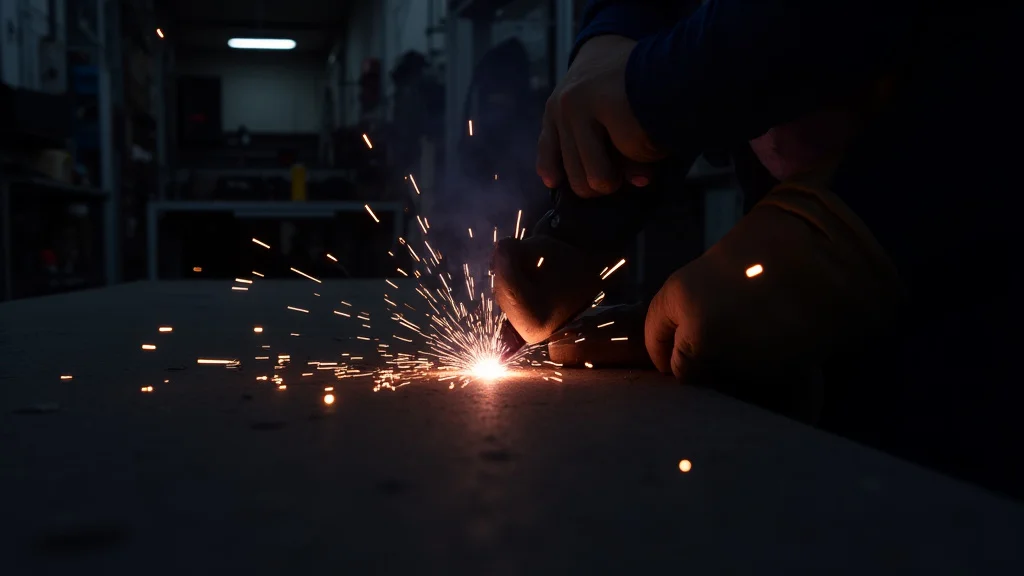
Welding creates sparks and hot slag that can fly quite a distance. Use a welding screen or a fire-resistant curtain to contain sparks. Be aware of the direction sparks are flying and adjust your position accordingly.
Consider the type of welding you’re doing. Some processes produce more sparks than others. Always wear your PPE, even when you think sparks aren’t a big issue.
Your helmet and flame-resistant clothing are your first line of defense.
Emergency Preparedness
Having a fire extinguisher is not just a good idea; it’s a necessity. Make sure it’s a Class ABC extinguisher, suitable for most types of fires, including electrical and combustible metals. Know how to use it.
Have a plan for what to do if a fire does start. Alert others in the area. If the fire is small, try to extinguish it.
If it’s growing, evacuate the area and call the fire department.
Maintaining Your Welding Station
Regular Cleaning
A clean workspace is a safe workspace. Regularly sweep the floor around your station to remove metal shavings and dust. Wipe down your equipment to keep it in good working order.
Accumulated debris can be a fire hazard and make it harder to find your tools.
Keep your welding consumables organized and dry. Moisture can damage electrodes and wire, leading to poor weld quality and potential safety issues.
Equipment Checks
Before each welding session, check your equipment. Look for any frayed cables, loose connections, or damaged parts. Ensure your welder is functioning correctly.
Check the gas connections if you use shielding gas.
Make sure your safety gear is in good condition. If your helmet lens is scratched or your gloves are worn, replace them. Worn-out safety gear is less effective and can put you at risk.
Organization and Storage
A well-organized station makes your work more efficient and safer. Store tools and materials properly. Keep flammable liquids in approved containers and away from your welding area.
Secure your gas cylinder when it’s not in use.
When you finish welding for the day, take a few minutes to clean up and put everything back in its place. This habit will save you time and prevent accidents in the future. A tidy station also looks more professional and inviting.
Frequently Asked Questions
Question: What is the most important safety gear for welding?
Answer: The most important safety gear includes a welding helmet with a proper shade lens, flame-resistant clothing, leather gloves, and safety glasses. These protect you from intense light, heat, sparks, and fumes.
Question: Can I weld in my garage?
Answer: Yes, you can weld in a garage, but it’s crucial to have excellent ventilation to remove welding fumes. Also, ensure the floor is non-flammable, and all combustible materials are cleared from the area.
Question: How far away should flammable materials be from my welding area?
Answer: Flammable materials should be moved at least 35 feet away from your welding area. If this is not possible, they should be protected with fireproof coverings.
Question: Do I need a fire extinguisher for my welding station?
Answer: Yes, a fire extinguisher is essential. You should have a Class ABC extinguisher readily accessible in case of a fire.
Question: How can I manage welding cables to prevent trips?
Answer: Manage welding cables by keeping them organized, out of walkways, and secured. Using cord wraps or reels can help keep them tidy and reduce tripping hazards.
Final Thoughts
Setting up your welding station safely is all about preparation and good habits. By choosing a suitable location, gathering the right gear, and organizing your space, you create a secure environment for your projects. Always remember to clear away anything flammable and keep your safety equipment in good condition.
Regular cleaning and checks keep your station ready and safe. Your commitment to these simple steps ensures you can focus on your welding, knowing you’ve done your best to stay protected.