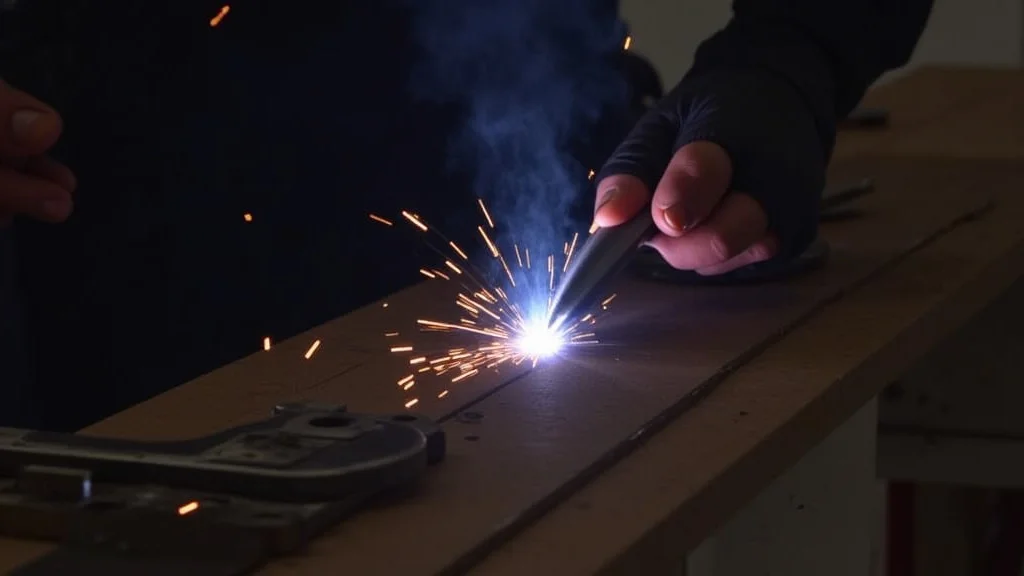
Is your welder suddenly quiet? A blown fuse can stop your work cold. Many beginners find dealing with a Welding Machine Fuse Blown?
Quick Repair situation a bit tricky at first. But don’t worry, it’s usually a simple fix! We’ll walk you through it step by step.
First, we’ll look at why this happens and then show you exactly what to do to get back to welding.
Key Takeaways
- You will learn the common reasons a welding machine fuse blows.
- This guide will show you how to safely identify and replace a blown fuse.
- You will discover tips to prevent future fuse blowouts.
- Simple tools needed for a quick fuse repair will be listed.
- You will gain confidence in troubleshooting basic welding machine issues.
Why Does a Welding Machine Fuse Blow?
A fuse in your welding machine is like a little bodyguard for the electrical parts. Its main job is to break the circuit if too much electricity tries to flow through. This prevents damage to more expensive components inside the welder.
When a fuse blows, it means something caused a sudden surge or overload. It’s a protective measure, not necessarily a sign of a broken machine.
There are a few common culprits behind a blown fuse. One is simply an old or worn-out fuse that has weakened over time. Another is a power surge from the wall outlet.
Sometimes, trying to weld thicker metal than the machine is rated for can cause the fuse to blow. This draws too much current. Also, internal electrical problems, though less common, can trigger the fuse.
Think of it like a light bulb. If you switch it on and off too many times quickly, or if the power flickers, it might burn out. A fuse works similarly but is designed to fail safely.
It sacrifices itself to protect the rest of the machine. So, when you see that blown fuse, it’s telling you something happened that needed stopping.
Identifying a Blown Fuse
Figuring out if the fuse is indeed the problem is the first step. You’ll usually notice it right away. The welding machine won’t turn on, or it might have worked for a bit and then suddenly stopped.
There’s no power at all, and the indicator lights won’t come on when you flip the switch.
Sometimes, you can visually check the fuse. Most welding machines have accessible fuse holders, often near the power cord input. You might need to open a small panel or unscrew a cap.
Once you can see the fuse, look closely at the metal wire inside. If this wire is broken or looks melted, the fuse is blown. It might also look blackened inside the glass.
If you can’t see a clear break, or if the fuse is opaque, you can use a multimeter. This is a handy tool for checking electrical continuity. Set your multimeter to the resistance or continuity setting.
Touch the probes to each end of the fuse. If the multimeter beeps or shows a very low resistance reading, the fuse is good. If it shows no continuity or a very high resistance, the fuse is blown.
Common Fuse Types
Welding machines use different types of fuses. The most common are glass cartridge fuses and ceramic cartridge fuses. Glass fuses are easy to inspect visually because you can see the wire inside.
Ceramic fuses are more robust and can handle higher temperatures, but you can’t usually see the wire without a multimeter.
It’s important to know the rating of the fuse you need to
Tools You’ll Need
For most quick repairs, you won’t need many tools. The most important thing is a replacement fuse of the correct rating. You’ll also likely need a small screwdriver, possibly a Phillips head or flathead, to open any access panels.
A pair of needle-nose pliers can be helpful for carefully removing the old fuse and inserting the new one.
A multimeter is a useful tool if you want to be sure about the fuse status or to check for other electrical issues, but it’s not always strictly necessary for a simple fuse replacement. Always make sure the welding machine is unplugged from the power source before you start any work on it. Safety first!
Steps for a Quick Repair
When your welding machine fuse has blown, follow these simple steps to get it working again. Remember, safety is key here, so always start by unplugging the machine from the power outlet.
1. Unplug Your Welder
This is the most crucial step. Make sure the power cord is completely removed from the wall socket. This prevents any risk of electric shock while you are working on the internal parts of the welder.
Wait a few minutes even after unplugging, just to be sure any residual power has dissipated.
2. Locate the Fuse Holder
Most welding machines have a fuse holder that is easy to access. It’s often located on the back or side panel, usually near where the power cord plugs in. Some might be behind a small plastic cover or a metal bracket that you can unscrew or pop off.
Consult your welder’s manual if you have trouble finding it.
3. Remove the Blown Fuse
Once you’ve found the fuse holder, you’ll need to remove the old fuse. Some fuse holders have a small cap that you can twist or pull off. Others might have a clip that holds the fuse in place.
If the fuse is stuck, gently use needle-nose pliers to pull it straight out. Avoid wiggling it too much, which could damage the holder.
4. Inspect the Old Fuse
Take a close look at the fuse you just removed. If it’s a glass fuse, you should be able to see if the thin wire inside is broken or if the inside looks burnt or discolored. If it’s a ceramic fuse, you won’t see inside, but if you suspect it’s blown, it’s best to test it or just replace it if you’re sure it’s the cause.
5. Identify the Fuse Rating
Before you can
6. Insert the New Fuse
With the correct replacement fuse in hand, carefully insert it into the fuse holder. Make sure it’s seated firmly and properly. If it’s a glass fuse, ensure the metal caps on both ends are touching the contacts in the holder.
If you used pliers to remove the old one, use them gently to position the new one.
7. Reassemble and Test
Once the new fuse is in place, put the fuse holder cap or cover back on. Now, you can plug your welding machine back into the power outlet. Turn on the welder.
If the fuse was the only problem, your machine should now power up and be ready for use. If it blows again immediately, there’s a deeper issue that needs professional attention.
Preventing Future Fuse Blowouts
Dealing with a blown fuse is a hassle, but you can take steps to reduce how often it happens. Proper care and mindful operation of your welding machine can help keep the fuses intact.
One of the simplest things you can do is avoid overloading your welder. This means not trying to weld material that is too thick for your machine’s capacity. Pushing the welder too hard for too long can cause it to overheat, leading to surges that blow fuses.
Give your machine breaks, especially on longer welding jobs.
Keep your welding machine clean and well-maintained. Dust and debris can build up inside, especially around electrical components. This buildup can sometimes create electrical shorts or impede airflow, causing the machine to run hotter.
Regularly blowing out dust with compressed air can help.
Check your power cords and connections regularly. Frayed cords or loose connections can create resistance and electrical problems. Ensure you are using appropriate extension cords if needed; undersized cords can cause voltage drops and strain the welder.
If your fuse blows frequently, even when you’re not pushing the machine hard, it might indicate an underlying electrical fault within the welder itself. In such cases, it’s best to consult a qualified repair technician. They can diagnose and fix more serious internal problems that a simple fuse replacement won’t solve.
Troubleshooting If the Fuse Blows Again
If you
One common reason for a fuse blowing repeatedly is a short circuit within the machine. This could be caused by a damaged wire, a faulty component, or something conductive that has fallen into the machine. Another possibility is an issue with the welding output itself.
If the welding leads are damaged or the connection at the torch or ground clamp is bad, it can cause an electrical fault.
If you’re not experienced with electrical diagnostics, this is where you should stop and seek professional help. Trying to fix internal electrical problems without proper knowledge can be dangerous and expensive. A repair shop specializing in welding equipment will have the tools and expertise to find the root cause and fix it correctly.
Frequently Asked Questions
Question: What is the most common reason a welding machine fuse blows?
Answer: The most common reason is an electrical overload, often caused by trying to weld material that is too thick for the machine or by a power surge from the outlet.
Question: Can I use a fuse with a higher amperage rating if I can’t find the exact replacement?
Answer: No, you should never use a fuse with a higher amperage rating. This can damage your welding machine by allowing too much current to flow, bypassing the protection the fuse is supposed to provide.
Question: How do I know if my fuse is blown without a multimeter?
Answer: If it’s a glass fuse, you can often see a broken wire inside or discoloration. If the machine has no power and the fuse looks intact, you can try replacing it with a known good fuse.
Question: What should I do if the new fuse blows immediately after replacing it?
Answer: If a new fuse blows right away, it means there’s a more serious internal problem with the welding machine. You should stop trying to replace fuses and take it to a qualified repair technician.
Question: Where can I usually find the fuse holder on a welding machine?
Answer: The fuse holder is typically located on the back or side panel of the welding machine, often near the power cord input. Some may be behind a small removable cover.
Final Thoughts
A blown fuse in your welding machine is a common issue that’s usually simple to fix. By following these straightforward steps, you can quickly identify the problem and replace the fuse yourself. This gets you back to your projects without much downtime.
Just remember to always prioritize safety by unplugging the welder first. If the problem continues, it’s time for expert help.