It’s frustrating when your MIG welder’s arc suddenly cuts out. This common problem can stop your project dead in its tracks. For beginners, figuring out why the arc stops can be confusing.
This guide offers a simple, step-by-step solution to get your welder running smoothly again. We’ll cover the most likely culprits and how to fix them so you can get back to welding with confidence.
Key Takeaways
- You will learn the common reasons why a MIG welder’s arc might cut out.
- You will find out how to check your MIG welder’s wire feed system.
- You will discover how to inspect and clean your MIG gun and consumables.
- You will understand the role of power and ground connections in arc stability.
- You will be shown how to adjust your MIG welder settings for a better arc.
Why Your MIG Welder Arc Cuts Out
The Frustration of a Dying Arc
Nothing halts welding progress like an arc that just quits. One minute you have a steady, strong arc, and the next, it’s gone. This is a frequent issue, especially for those new to MIG welding.
It can make you feel like you’re not making any progress. But don’t worry, most of the time, it’s something simple to fix. This guide will help you figure out what’s going wrong and how to get that arc back.
Common Culprits for a Cutting Arc
Several things can cause your MIG welder’s arc to stop. These issues often relate to how the wire feeds, the electrical connections, or the shielding gas. Sometimes, it’s a simple fix like a dirty tip or a loose cable.
Other times, it might be a bit more involved. We’ll go through each possibility so you can identify the problem with your MIG Welder Arc Cutting Out? Step Fix.
Troubleshooting Your MIG Welder’s Arc
1. Wire Feed Problems
The wire feed system is like the lifeblood of your MIG welder. If the wire doesn’t feed smoothly, the arc will struggle and eventually stop. This is one of the most common reasons for arc dropout.
Wire Tension and Drive Rollers
Check the tension on your drive rollers. If they are too tight, they can crush the wire, causing it to jam. If they are too loose, the wire will slip, and you won’t get a consistent feed.
Look at the drive rollers themselves. Are they worn down or dirty? Dirty rollers can’t grip the wire properly.
Clean them with a wire brush or a degreaser. Make sure the drive rollers are the correct size for the wire you are using.
The Liner in Your MIG Gun
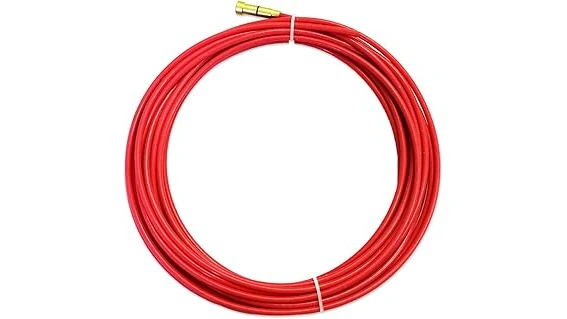
The liner is a tube inside your MIG gun that the wire travels through. If this liner gets kinked, bent, or clogged with debris, it will create too much friction. The wire will struggle to move, and the arc will falter.
Sometimes, you can fix a minor kink by gently straightening the gun cable. If it’s badly kinked or very dirty, you might need to replace the liner. This is a repair that many DIY welders can do themselves.
Wire Spool Issues
Make sure the wire spool is mounted correctly and can spin freely. If the spool is binding or the wire is tangled, it will cause feeding problems. Unspool a little wire by hand to check for any snags or knots.
Sometimes, the end of the wire can get stuck to the spool itself, creating a hidden jam.
2. MIG Gun and Consumable Check
Your MIG gun is where the action happens. The parts at the tip of the gun, called consumables, are critical for a stable arc. Worn-out or dirty consumables will lead to arc problems.
The Contact Tip
The contact tip is a small copper piece that the welding wire passes through. It also carries the electrical current to the wire. If the hole in the tip gets enlarged, clogged with spatter, or worn down, it can cause a poor electrical connection.
This leads to an inconsistent arc or no arc at all. Always clean the contact tip after welding. You can use a small wire brush or a tip cleaner.
If the tip is worn or damaged, replace it. They are inexpensive and easy to swap out.
The Nozzle and Gas Deflector
The nozzle directs the shielding gas to the weld puddle. The gas deflector sits behind the tip and helps with gas flow. Spatter can build up on both of these parts.
This buildup can obstruct the gas flow, leading to weld porosity and arc instability. Clean the inside of the nozzle and the gas deflector regularly with a spatter brush or by scraping. Sometimes, a light coat of anti-spatter spray can help prevent buildup.
The Swirl Ring
Inside the MIG gun, a swirl ring helps to direct the shielding gas evenly around the arc. If this is damaged or not seated correctly, gas flow can be disrupted. This is less common but worth checking if other solutions don’t work.
3. Shielding Gas Issues
Shielding gas protects your molten weld puddle from the air. Without it, or with an inadequate supply, your weld will be weak, and the arc will be unstable and might even cut out.
Gas Flow Rate
The flow rate of your shielding gas is important. If it’s too low, you won’t have enough protection. If it’s too high, it can create turbulence and blow the gas away from the weld area.
The correct flow rate usually depends on your gas type, the metal thickness, and welding position. A good starting point is often 20-25 cubic feet per hour (CFH) for typical CO2 or Argon/CO2 mixes. Use a flowmeter on your gas cylinder to check and adjust this.
Gas Leaks
Check for leaks in your gas system. This includes the connection from the regulator to the hose, the hose itself, and the connection from the hose to the welding machine. A hissing sound is a clear sign of a leak.
You can also use soapy water to find small leaks; bubbles will appear where the gas is escaping.
Empty Gas Cylinder
This sounds obvious, but it’s easy to forget to check the gas level. When the cylinder is nearly empty, the pressure can drop, leading to inconsistent gas flow. Always make sure you have enough gas before starting a welding job.
4. Power and Ground Connections
A solid electrical connection is vital for a stable arc. Any breaks or poor connections in the power circuit can cause the arc to cut out.
Work Clamp Connection
Ensure your work clamp is attached securely to the workpiece. The clamp must be on clean, bare metal. Rust, paint, or coatings on the metal will prevent a good electrical connection.
Clean the area where the clamp will attach with a wire brush. A loose or dirty ground connection is a very common cause of arc issues.
Welding Cable and Connections
Inspect the welding cable that runs from your machine to the MIG gun. Make sure it is not damaged, cut, or frayed. Also, check the connection points at both the welding machine and the MIG gun.
Ensure they are clean and tight. Loose connections here can lead to overheating and intermittent power loss.
Power Source Issues
While less common for beginners, sometimes the issue can be with the internal power source of the welder. If you’ve checked everything else and the problem persists, it might be time to consult your welder’s manual or contact the manufacturer.
5. Setting Adjustments
Incorrect welding settings can also lead to an unstable arc. These settings control voltage, wire speed, and sometimes inductance.
Voltage and Wire Speed (Amperage)
Voltage and wire speed are closely related. Generally, increasing wire speed also increases amperage. Voltage controls the arc length.
If the voltage is too high for the wire speed, the arc will be long and spattery, and might cut out. If it’s too low, you’ll get a short, stubby arc. Your welding machine manual will have charts that suggest starting settings for different wire types, thicknesses, and gas combinations.
Always refer to these charts.
Polarity
MIG welding typically uses DCEN (Direct Current Electrode Negative) or DCEP (Direct Current Electrode Positive), depending on the wire and gas. For solid wire with Argon/CO2 mixes, it’s usually DCEP. For flux-cored wire, it’s often DCEN.
Welding with the wrong polarity can result in a weak, unstable arc or even an arc that cuts out. Double-check your machine’s manual and the wire manufacturer’s recommendations for the correct polarity.
Frequently Asked Questions
Question: What is the most common reason a MIG arc cuts out?
Answer: The most common reasons are related to the wire feed system not delivering wire smoothly, such as worn drive rollers, a kinked liner, or incorrect wire tension. Poor electrical connections, like a dirty work clamp, are also very frequent issues.
Question: How do I clean MIG welder consumables?
Answer: You can clean the contact tip and nozzle with a wire brush, a small file, or a dedicated tip cleaning tool. Remove built-up spatter by scraping or brushing. For drive rollers, use a wire brush to remove debris.
Question: Can a dirty ground clamp cause my arc to cut out?
Answer: Yes, absolutely. A dirty or loose ground clamp prevents a good electrical connection to the workpiece. This can cause the arc to be unstable, jumpy, and eventually cut out because the electricity cannot flow properly.
Question: What should I do if my MIG wire keeps jamming?
Answer: First, check the drive roller tension and ensure the rollers are clean and appropriate for your wire size. Then, inspect the MIG gun liner for kinks or obstructions. Ensure the wire spool is feeding smoothly and the wire is not tangled.
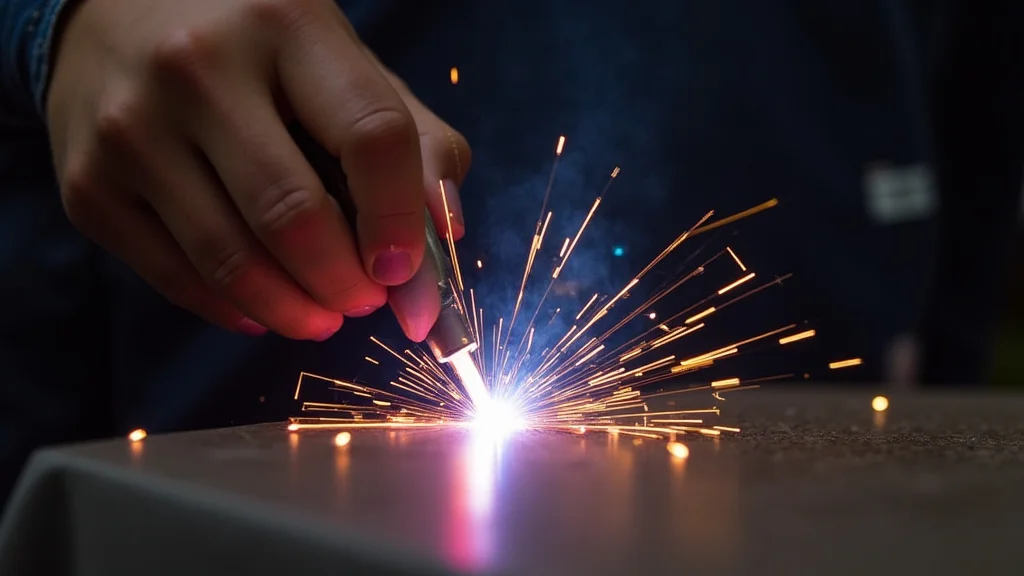
Question: Is it normal for a MIG welder to spark a lot before the arc cuts out?
Answer: Excessive sparking, or spatter, before the arc cuts out usually indicates problems with shielding gas flow, incorrect voltage or wire speed settings, or dirty consumables like the contact tip. Addressing these issues can often resolve both the spatter and the arc cutting out.
Final Thoughts
Fixing a MIG welder arc that cuts out is usually a process of elimination. Start with the simplest things first: check your wire feed, clean your gun’s consumables, and ensure your ground connection is solid. Then, look at your gas supply and your machine settings.
Many issues are resolved by routine maintenance and careful adjustments. Remember to always refer to your welder’s manual for specific instructions and recommended settings. With a little patience and systematic checking, you can overcome most arc problems and get back to creating quality welds.
Keep practicing, and you’ll become more familiar with what a healthy arc looks and sounds like.