Is your welding machine acting up? It can be tricky to know if it’s just a small hiccup or if your trusty welder is starting to give out. For those new to welding, figuring out What Are the Signs of a Failing Welding Machine? can feel like a puzzle.
But don’t worry! We’ll walk you through it step-by-step, making it super simple. Let’s get your welder back in top shape.
Key Takeaways
- You’ll learn to spot common problems like inconsistent welding or strange noises.
- We’ll cover how overheating and unusual smells indicate a machine issue.
- You’ll discover how power fluctuations and circuit breaker trips are warning signs.
- The post explains why erratic arc behavior needs your attention.
- You’ll know when physical damage to cables or components is a red flag.
- We’ll help you decide if a repair is possible or if it’s time for a new machine.
Understanding Welding Machine Problems
Why Beginners Find This Tricky
Starting out with welding is exciting, but your equipment can throw curveballs. A welding machine is a complex tool. When it doesn’t work right, it’s hard to tell if it’s your technique or the machine itself.
Beginners might not have the experience to recognize subtle signs that something is wrong. This can lead to frustration and poor weld quality.
The Importance of Early Detection
Catching problems early saves you time and money. A small issue can grow into a big one if ignored. It can also lead to unsafe welding conditions.
Knowing the signs helps you fix problems before they become dangerous or cause major damage. This keeps your projects moving forward smoothly.
Common Signs of a Failing Welding Machine
Inconsistent Arc Quality
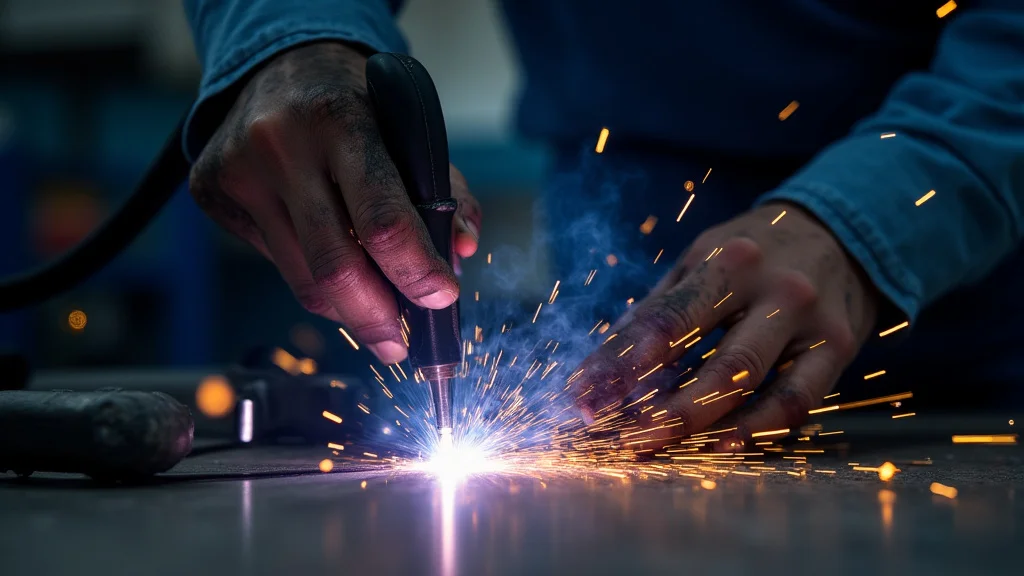
A good weld starts with a stable arc. If your arc is sputtering, unstable, or difficult to control, it’s a big clue. The arc might wander, be too wide, or seem weak.
This can happen even when you’re holding your torch steady and using the right settings.
The arc is the heart of the welding process. It’s where the metal melts. When the arc is inconsistent, it means the power source isn’t delivering electricity smoothly.
This can affect the penetration of your weld and the overall strength of your joint.
Strange Noises
Your welding machine should run with a steady hum. If you start hearing grinding, buzzing, or clicking sounds, it’s a warning. These noises often come from internal components.
They could signal that a motor is failing, a fan is loose, or a transformer is struggling.
Listen carefully when you turn the machine on and during welding. Any unusual noise that wasn’t there before should be investigated. A sudden loud bang or pop is also a serious sign that something has gone wrong internally.
Overheating
Most welding machines have a built-in cooling system, often a fan. If the machine feels excessively hot to the touch, even after short periods of use, it’s a problem. Some machines have an overheat indicator light.
If this light comes on, stop welding immediately.
Overheating can be caused by a clogged fan, a failing fan motor, or a blocked air intake. It can also mean the internal components are working too hard due to other issues. Continuous overheating can lead to permanent damage.
Unusual Smells
Burning smells are never a good sign. If you detect a smell like burning plastic, insulation, or ozone, it indicates serious trouble. This usually means something is overheating internally and melting.
Turn the machine off and let it cool down completely if you smell something unusual. Try to identify the source of the smell if possible, but do not operate the machine until the issue is resolved. A burning smell means components are stressed beyond their limits.
Power Fluctuations and Tripped Breakers
If your welding machine causes the circuit breaker to trip frequently, it’s drawing too much power. This could be due to a short circuit inside the machine or an overload condition. The machine might also cause lights to dim in your workshop when it powers up.
Check your breaker box and the power supply to your shop. Ensure you’re using the correct amperage breaker for your welder. If the breaker trips even with the correct setup, the problem is likely within the welding machine itself.
Erratic Voltage or Amperage Output
The digital display or analog dials on your machine should show stable readings for voltage and amperage. If these numbers jump around wildly, or don’t match the settings you’ve selected, it’s a sign of a faulty control board or power regulation issue.
This inconsistency directly impacts your weld quality. You might experience poor fusion or excessive spatter. A stable and predictable output is key to achieving good results.
Physical Damage
Inspect your welding machine regularly. Look for any signs of physical damage to the casing, power cord, or welding leads. Frayed cables, melted connectors, or cracks in the housing are serious safety hazards.
Damaged cables can lead to power loss, electrical shock, and poor welding performance. Never try to weld with damaged equipment. Replace any worn or broken parts immediately.
Weak or No Power
If the machine powers on but provides very little heat, or no heat at all, it’s a clear indication of a problem. This could be a blown fuse, a damaged transformer, or a faulty rectifier.
Sometimes, a simple blown fuse is the culprit. Other times, it’s a more significant internal failure that requires professional attention.
Intermittent Operation
Does your welder work sometimes and then stop working for no reason? This is called intermittent operation. It’s a frustrating sign that a component is failing but not completely broken yet.
This could be a loose wire connection or a component that’s starting to fail.
Intermittent issues are often the hardest to diagnose. They can be caused by heat-related problems where a part works when cool but fails when hot.
Troubleshooting Steps for Common Issues
Check the Power Source
Before assuming the welder is broken, verify your power source.
- Ensure the plug is fully seated in the outlet.
- Check if the outlet is receiving power using a voltage tester.
- Confirm you are using the correct voltage and amperage outlet for your machine.
Inspect Cables and Connections
Worn or damaged cables are a common cause of welding problems.
- Look for any cuts, abrasions, or signs of melting on the power cord and welding leads.
- Make sure the ground clamp is clean and making good contact with the workpiece.
- Check that the electrode holder or torch is securely connected.
Clean Air Vents and Fans
Overheating is often due to poor airflow.
- Turn off and unplug the welder.
- Use compressed air to blow out dust and debris from all air vents.
- Ensure the cooling fan is spinning freely when the machine is powered on.
Test Fuses and Breakers
Blown fuses or tripped breakers can stop your welder.
- Consult your machine’s manual to locate any internal fuses.
- Visually inspect fuses for a broken filament or discoloration.
- Use a multimeter to test fuses for continuity.
- Check your main power breaker and any dedicated breakers for the welder.
Review Machine Settings
Sometimes, the issue is with the settings.
- Ensure you’ve selected the correct welding process (e.g., MIG, TIG, Stick).
- Verify that the wire speed, voltage, or amperage settings are appropriate for the material thickness and type you are welding.
- Refer to your welder’s manual or a welding chart.
When to Seek Professional Help
Complex Internal Issues
If you’ve gone through the basic checks and your welder still isn’t working, the problem might be internal. Issues with the transformer, rectifier, or control boards require specialized knowledge to diagnose and repair.
Trying to fix these yourself can be dangerous and could cause further damage. It’s best to leave these repairs to trained technicians.
Safety Concerns
Any sign of electrical arcing, smoking, or an unusual burning smell should be treated as a serious safety risk. These issues could lead to fire or electric shock. Do not operate the machine until it has been inspected and repaired by a professional.
Warranty Considerations
If your welding machine is still under warranty, contact the manufacturer or dealer before attempting any repairs. Tampering with the machine might void your warranty.
Preventive Maintenance for Longevity
Regular Cleaning
Keep your welding machine clean. Dust and debris can clog vents and cause overheating. Wipe down the exterior regularly.
Use compressed air to clean internal components periodically.
Inspect Cables
Check your welding cables for wear and tear often. Frayed or damaged cables are a fire hazard and reduce performance. Replace them as soon as you notice any damage.
Proper Storage
Store your welding machine in a dry, protected area when not in use. Avoid extreme temperatures or high humidity. This helps prevent corrosion and damage to internal components.
Use the Right Accessories
Always use high-quality consumables and accessories recommended by the manufacturer. Cheap or incompatible parts can strain the machine and lead to premature failure.
Frequently Asked Questions
Question: How often should I clean my welding machine?
Answer: It’s a good idea to clean the air vents and exterior at least every few months, or more often if you weld in a dusty environment. A deeper internal cleaning with compressed air might be needed annually or if you notice overheating issues.
Question: Can I fix a failing welding machine myself?
Answer: For simple issues like a blown fuse or loose connection, you might be able to fix it yourself. However, for complex internal problems, it’s safer and more effective to seek professional repair.
Question: What is the most common sign of a failing welder?
Answer: Inconsistent arc quality or the machine tripping the circuit breaker frequently are very common signs that a welding machine is starting to fail.
Question: How do I know if my welding machine is overheating?
Answer: You might feel excessive heat coming from the machine, see an overheat indicator light on the control panel, or notice a burning smell.
Question: Should I worry about strange buzzing sounds from my welder?
Answer: Yes, unusual buzzing or grinding noises can indicate that internal components are struggling or failing. It’s a sign that the machine needs to be checked.
Final Thoughts
If your welding machine is acting up, don’t panic. You’ve learned about the common red flags like odd noises, overheating, and power issues. You also know how to check simple things like your power source and cables.
Knowing What Are the Signs of a Failing Welding Machine? empowers you to take action. Whether it’s a quick fix or a call to a pro, you can get back to welding with confidence.