When you’re new to welding, seeing little bits of metal stuck to your work can be confusing. You might wonder, How Do You Remove Spatter from a Weld? It’s a common problem that pops up for many beginners. Don’t worry, it’s not as hard as it looks!
We’ll show you simple ways to clean it up so your welds look great. Get ready to learn some easy tips that will make your welding projects shine.
Key Takeaways
- You will learn why weld spatter happens.
- Discover the best tools for cleaning weld spatter.
- Understand different methods for removing spatter effectively.
- Learn how to prevent spatter before it even happens.
- Get tips for making your welds look cleaner and more professional.
Understanding Weld Spatter
What is Weld Spatter?
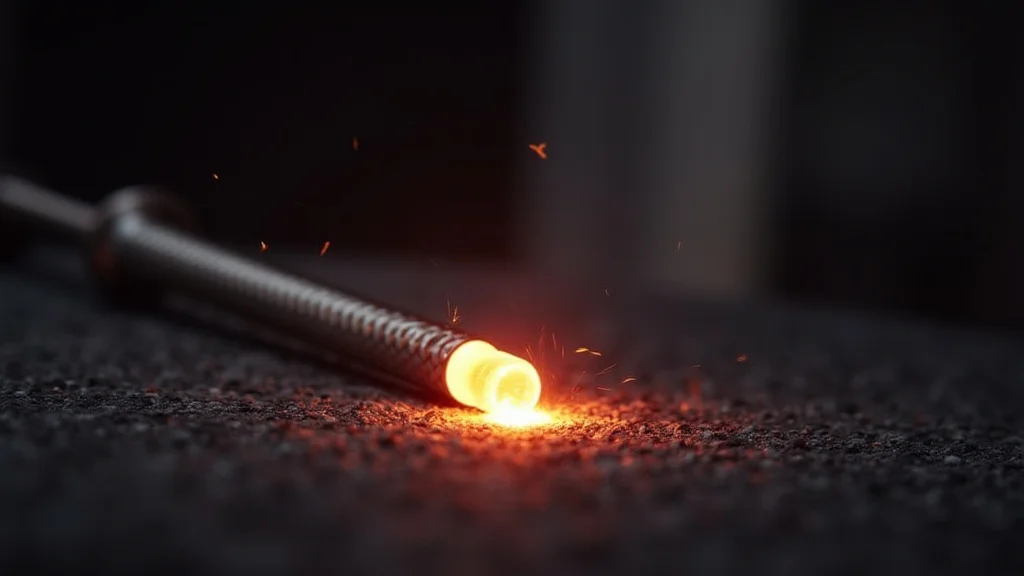
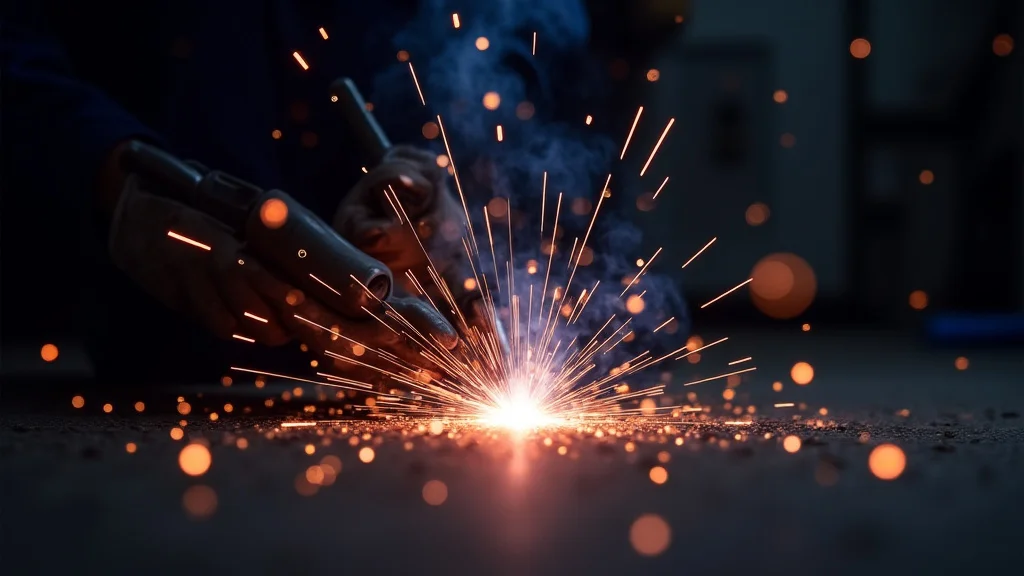
Weld spatter is those little drops of molten metal that fly off your weld puddle. They stick to the surface of your project around the actual weld bead. Think of it like tiny metal sprinkles that land where you don’t want them.
It happens because the arc in welding is super hot. This heat melts the metal, and sometimes, small bits splash out.
Why Does Weld Spatter Happen?
Several things can cause weld spatter. One big reason is the welding current being too high. If it’s too hot, more metal will splash.
The arc length also matters. If the arc is too long, it can cause more spatter. The type of welding wire or electrode you use plays a part too.
Some materials are more prone to spatter than others. Moisture in the air or on your metal can also cause little pops and splashes. Lastly, the way you hold your welding gun or electrode can affect how much spatter you get.
Is Weld Spatter Bad?
While some spatter is normal, too much can be a problem. It can hide small cracks or defects in your weld. It also makes your project look messy.
If you plan to paint or coat the metal, spatter can prevent the coating from sticking well. So, cleaning it off is important for both looks and the strength of your weld.
Tools for Removing Weld Spatter
Essential Tools
You don’t need a lot of fancy equipment to clean off weld spatter. Here are some basic tools that work well:
- Chipping Hammer: This is a hammer with a pointed end and a flat end. The point is great for breaking off stubborn spatter.
- Wire Brush: A stiff wire brush, either manual or attached to a drill, is perfect for scrubbing off loose spatter.
- Grinder: A small angle grinder with a grinding wheel or a wire wheel attachment can clean up larger areas quickly.
- Pliers: Needle-nose pliers can be useful for picking off smaller, more accessible spatter bits.
- Cold Chisel: Similar to the pointed end of a chipping hammer, a chisel can help break free very stuck spatter.
- Safety Gear: Always wear safety glasses, gloves, and a face shield when grinding or chipping to protect yourself from flying metal.
Methods for Removing Weld Spatter
Method 1: Chipping and Brushing
This is often the first step for removing spatter. Start with your chipping hammer. Use the pointed end to gently tap on the spatter bits.
They should pop off easily if they aren’t too stuck. Be careful not to hit your good weld too hard. After you’ve chipped off the larger pieces, grab your wire brush.
Scrub the area around the weld to remove any remaining small pieces. You can use a manual wire brush for light cleaning or a wire wheel on a drill for a faster job.
Method 2: Grinding
For tougher spatter or when you need a very clean surface, a grinder is your best friend. Use an angle grinder with a grinding disc or a wire wheel attachment. Gently move the grinder over the spatter.
The goal is to smooth the surface and remove the stuck metal. If you’re using a grinding disc, be very careful not to remove too much of the base metal or the weld itself. A wire wheel on a grinder is usually safer as it’s less aggressive.
Method 3: Using Pliers
Sometimes, after chipping, you’ll have small, stubborn bits of spatter left. You can often grab these with a pair of needle-nose pliers and pull them off. This is a good method for precise removal without affecting the surrounding metal.
Method 4: Anti-Spatter Sprays
There are special sprays you can buy that prevent spatter from sticking in the first place. You spray them on the metal before you weld. They create a barrier that makes spatter easy to wipe away after welding.
Some are water-based and can be washed off, while others are silicone-based. This can save you a lot of cleaning time.
Preventing Weld Spatter
The best way to deal with weld spatter is to stop it before it starts. Making a few adjustments to your welding technique can greatly reduce the amount of spatter you get.
Adjusting Welding Settings
Check your welding machine’s settings. If your amperage (current) is too high, it can cause excessive spatter. Try lowering it slightly.
The voltage also plays a role. Too low a voltage can lead to a long, unstable arc, which causes more spatter. Experiment with finding the right balance of voltage and amperage for your specific welding wire and material thickness.
Controlling Arc Length
Keep your arc length consistent and short. A short, stable arc is less prone to splashing. Try to maintain the recommended distance between your welding electrode and the workpiece.
This distance is usually shown in your welding machine’s manual or on the welding wire spool.
Proper Gun/Electrode Angle
The angle at which you hold your welding gun or electrode matters. For most welding, a slight drag angle (pulling the gun slightly behind the direction of travel) can help reduce spatter. Avoid a push angle, which can increase spatter.
Using the Right Welding Wire/Electrode
Different types of welding wire and electrodes produce varying amounts of spatter. Some are designed to be low-spatter. Make sure you are using the correct type for your welding process (e.g., MIG, Stick) and material.
Also, ensure your welding wire is clean and free of rust or dirt, as this can contribute to spatter.
Keeping Things Dry
Moisture is a common enemy of good welds. Make sure your base metal is clean and dry before you start welding. If you’re welding in a humid environment, consider drying your metal with a clean cloth.
If you’re using flux-cored wire, make sure it hasn’t absorbed moisture.
Comparing Cleaning Methods
Let’s look at how the methods stack up for different situations.
| Method | Best For | Pros | Cons |
|---|---|---|---|
| Chipping & Brushing | Light to moderate spatter, finishing touch | Simple, low cost, good for detail | Can be slow for heavy spatter, may not remove all stuck bits |
| Grinding | Heavy spatter, preparing for paint | Fast, effective for stubborn spatter | Can remove base metal, requires safety gear, creates dust |
| Pliers | Individual, small spatter bits | Precise, good for detail work | Only for very small amounts, time-consuming for many bits |
| Anti-Spatter Spray | Prevention, saving cleaning time | Reduces cleaning effort, makes spatter easy to remove | Adds a step before welding, may require specific cleaning afterwards |
Frequently Asked Questions
Question: What is the easiest way to remove weld spatter?
Answer: For most beginners, a combination of chipping with a hammer and then brushing with a wire brush is the easiest way to start. If the spatter is really stuck, a grinder can be more effective.
Question: Can I just grind off all the weld spatter?
Answer: Yes, you can grind off weld spatter. However, be careful not to grind away too much of your base metal or the actual weld itself. Use a light touch and a suitable grinding tool.
Question: Will anti-spatter spray work on all metals?
Answer: Anti-spatter sprays are generally effective on common welding metals like steel. Some sprays may be better suited for specific alloys or welding processes. Always check the product’s recommendations.
Question: How can I stop weld spatter from sticking so badly?
Answer: Using an anti-spatter spray before welding is the most effective way to prevent spatter from sticking. Proper welding technique, like adjusting your settings and maintaining a short arc, also helps.
Question: Is it okay to leave a little weld spatter on my project?
Answer: For some projects, a little spatter might be acceptable if it doesn’t affect the strength or intended finish. However, for aesthetic reasons or if you plan to paint or coat the metal, it’s best to remove it all.
Final Thoughts
Learning How Do You Remove Spatter from a Weld? is a key step in becoming a better welder. We’ve explored simple tools like chipping hammers and wire brushes. You also learned about using grinders for tougher jobs and how anti-spatter sprays can save you time.
Remembering to adjust your welding machine settings and technique is vital for preventing spatter in the first place. By using these methods, your welds will look cleaner and more professional. Keep practicing, and you’ll master spatter removal quickly.